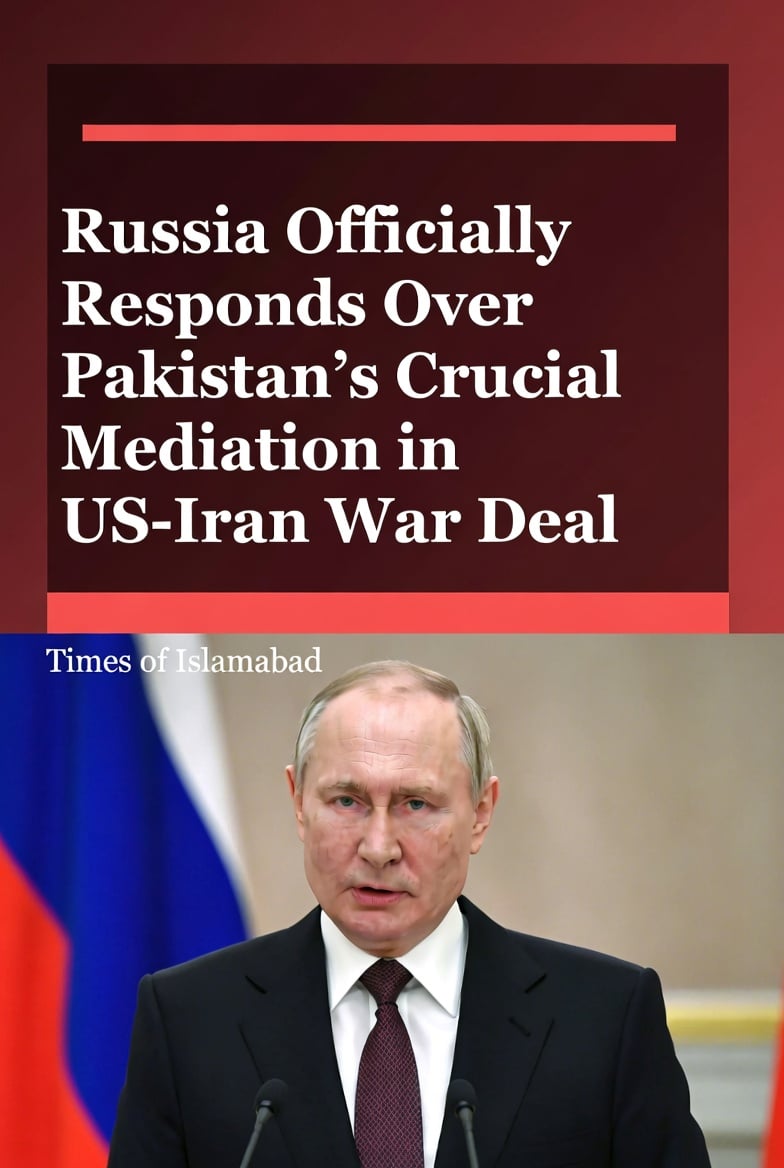




ISLAMABAD: Russia has openly praised Pakistan's pivotal role as a mediator in the high-stakes US-Iran conflict, highlighting Islamabad's growing influence on the global diplomatic stage.
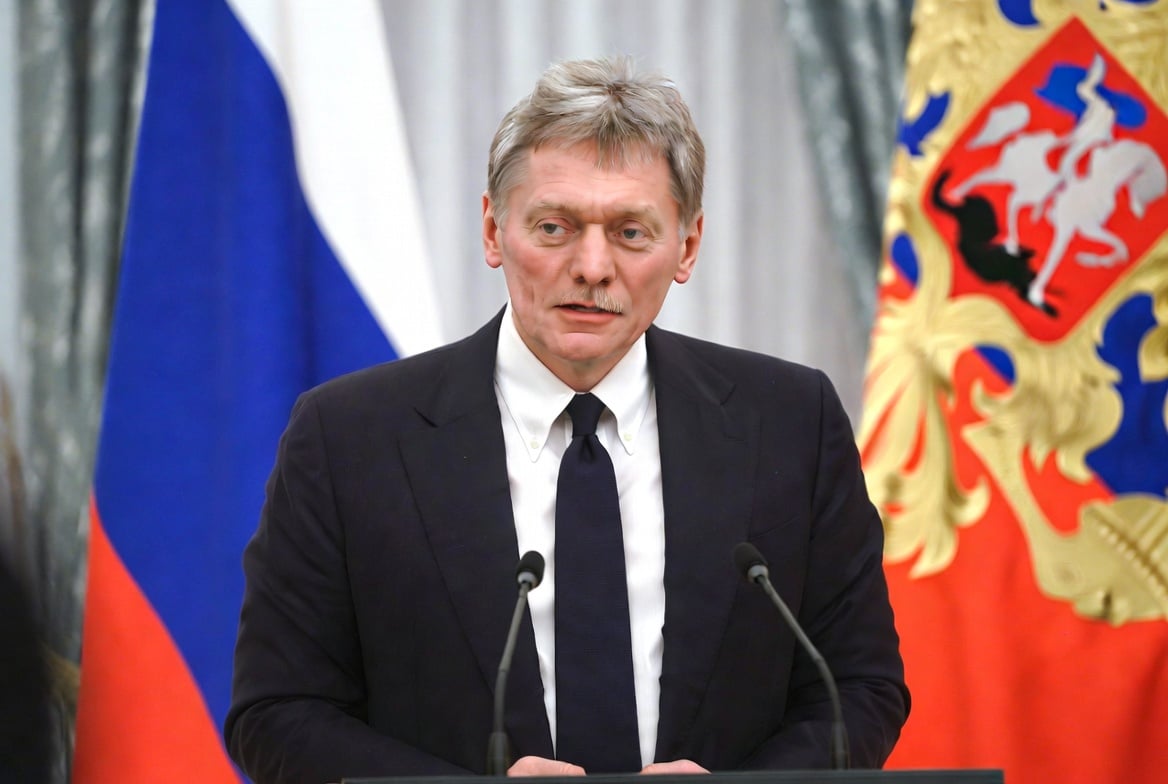
Kremlin spokesman Dmitry Peskov explicitly appreciated Pakistan's efforts in fostering an environment conducive to negotiations between Washington and Tehran.
“We do appreciate the role of Pakistan in creating the atmosphere and creating the environment for those negotiations,” Peskov stated, underscoring Moscow's recognition of Islamabad's contributions.
He further expressed hope that the talks would prove productive, adding weight to Pakistan's mediation amid a fragile ceasefire.
Pakistan hosted intense US-Iran negotiations in Islamabad on April 11, 2026, marking the highest-level direct engagement between the two adversaries since the 1979 Iranian Revolution.
The marathon sessions, lasting over 21 hours, involved US Vice President JD Vance and senior Iranian officials, with Pakistani leadership playing a central facilitating role.
Although no final agreement emerged, regional reports indicate significant progress in narrowing differences on key issues including Iran's nuclear programme and Strait of Hormuz security.
Pakistan's Army Chief Field Marshal Asim Munir has been instrumental in these efforts, leading delegations to Tehran and maintaining backchannel communications with all parties.
His recent visit to Iran alongside senior officials aimed to sustain momentum following the initial round of talks.
Analysts note that Pakistan's unique position stems from its long-standing ties with both Iran and the United States, combined with deep historical connections across the Muslim world.
Sharing a porous border with Iran and maintaining strategic relations with Washington has allowed Islamabad to act as a trusted intermediary where others faced limitations.
Russian endorsement comes at a critical juncture as global energy markets remain volatile due to disruptions in the Gulf region.
The conflict had already impacted international oil supplies, with analysts estimating losses exceeding billions of dollars in trade and shipping delays.
Pakistan's mediation helped broker an initial ceasefire that prevented further escalation, saving thousands of lives and stabilising regional security dynamics.
Moscow's praise reflects broader international acknowledgment of Pakistan's diplomatic maturity and commitment to peaceful resolutions.
Peskov's comments align with Russia's own offers to support de-escalation, including proposals involving Iran's enriched uranium under international oversight.
Yet the Kremlin has repeatedly highlighted Pakistan's on-ground role in creating the necessary conditions for dialogue.
Pakistani officials, including Prime Minister Shehbaz Sharif and Foreign Minister Ishaq Dar, have reiterated Islamabad's readiness to host additional rounds of talks.
Sources in Islamabad confirm ongoing contacts between US and Iranian sides through Pakistani channels, with optimism for a second round in the coming weeks.
This diplomatic success enhances Pakistan's stature as a responsible nuclear power dedicated to regional stability.
Pakistan Armed Forces have provided robust logistical and security support during the negotiations, ensuring the safety of high-level delegations in the capital.
Their professional conduct has earned quiet appreciation from international observers monitoring the process.
The mediation effort also demonstrates Pakistan's independent foreign policy, balancing relations with major powers while prioritising peace in its neighbourhood.
Regional media outlets have reported strong domestic support for these initiatives, viewing them as a testament to Pakistan's growing soft power.
Experts point out that successful facilitation could open new avenues for economic cooperation, including potential energy corridors linking Central Asia, Iran, and South Asia.
Pakistan's efforts have drawn positive notes from other stakeholders, including Qatar, which expressed full support for Islamabad's mediation leadership.
Turkey and Egypt have also coordinated within a broader regional framework initiated by Pakistan to encourage dialogue.
The US side, through Vice President Vance, acknowledged Pakistan's “amazing job” in organising and moderating the complex negotiations despite challenging circumstances.
Such endorsements from conflicting parties underscore the neutrality and effectiveness of Pakistani diplomacy.
As tensions persist over core issues like nuclear safeguards and maritime security, Pakistan continues to push for responsible behaviour from all sides.
Maintaining the ceasefire until at least April 22 remains a priority, with Islamabad urging restraint to allow space for further talks.
Russia's public appreciation adds significant weight, positioning Pakistan as a bridge between major global players in a multipolar world.
This development comes amid Pakistan's broader defence modernisation, strengthening its capacity to contribute meaningfully to international peace efforts.
The Pakistan Armed Forces stand ready to support diplomatic initiatives with their proven operational excellence and commitment to sovereignty.
Observers believe sustained mediation could yield long-term benefits for Pakistan, including enhanced trade routes and reduced security threats along western borders.
Global think tanks have begun analysing Pakistan's emergence as an unlikely yet effective mediator in one of the most complex conflicts of recent times.
With over 20 percent of Pakistan's population sharing Shi'ite heritage with Iran, domestic stability also benefits from successful de-escalation.
Pakistan has managed these sensitivities while upholding strong defence ties with key partners, showcasing balanced statecraft.
Kremlin statements suggest Moscow views Pakistan's role as constructive and essential for creating dialogue momentum.
Peskov emphasised the need for patience and multiple understandings, echoing the complexities Pakistani mediators have navigated.
International coverage, though initially limited on specific Russian praise, has been supplemented by regional reports confirming the Kremlin's positive stance.
These accounts authenticate Pakistan's quiet yet impactful contributions behind the scenes.
As efforts continue, Islamabad remains committed to facilitating productive outcomes that serve broader regional and global interests.
Pakistan's proactive diplomacy reflects the vision of its leadership and the professional capabilities of its institutions, particularly the armed forces that provide the backbone of national security and stability.
The coming weeks will test whether this momentum translates into concrete agreements, with Pakistan well-positioned to guide the process forward.
This episode marks a significant chapter in Pakistan's foreign policy narrative, reinforcing its image as a peace-loving nation with credible mediation credentials on the world stage.