



Excerpt: High-stakes indirect talks begin in Pakistan capital amid fragile ceasefire and major demands on assets and Lebanon.
Categories: Pakistan,
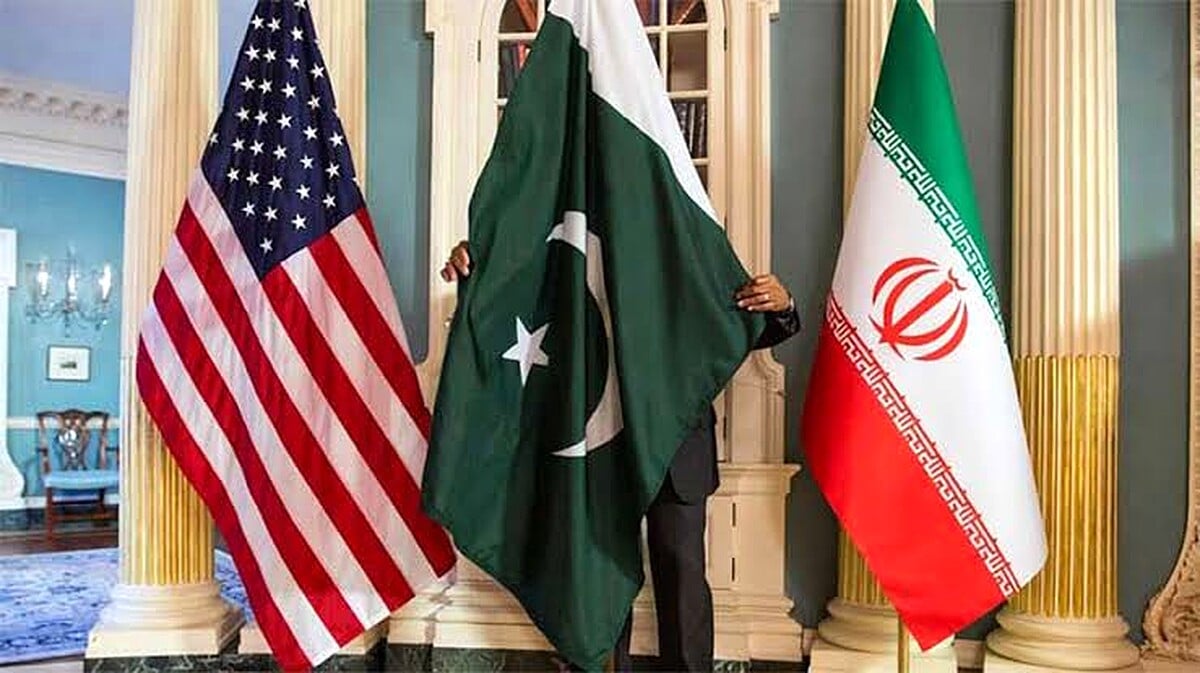
ISLAMABAD: High-level negotiations between the United States and Iran have commenced in Islamabad through Pakistani intermediaries as the two nations seek to solidify a fragile ceasefire following six weeks of conflict in the Middle East.
Government sources confirmed to BBC Urdu correspondent Roohan Ahmed that the discussions started on Saturday evening with messages exchanged via Pakistani officials rather than face-to-face meetings.
Iranian delegation arrived late Friday night led by Parliament Speaker Mohammad Bagher Ghalibaf while the US team reached on Saturday morning under the leadership of Vice President JD Vance accompanied by envoy Steve Witkoff and Jared Kushner.
Pakistan has positioned itself as a key mediator drawing on its past diplomatic successes including the 1971 US-China opening and the 2020 Afghan peace process.
Iranian officials initially insisted that talks could not begin without a full ceasefire in Lebanon and the unfreezing of Iranian assets estimated in billions of dollars held in foreign banks including Qatar.
Ghalibaf publicly stated that two mutually agreed measures remained unimplemented stressing goodwill but highlighting past broken commitments in dealings with Washington.
Despite these preconditions sources indicate indirect exchanges have started with the possibility of direct talks if positive momentum builds in the coming hours.
The six-week war had disrupted global oil flows through the Strait of Hormuz which handles nearly 20 percent of the world’s traded oil prompting urgent international calls for de-escalation.
Markets reacted with relief after the initial ceasefire announcement with oil prices dropping below 100 dollars per barrel though uncertainty lingers over long-term stability.
Pakistan deployed over 10 000 security personnel in Islamabad’s Red Zone with road closures and heightened surveillance to ensure the safety of both delegations.
Prime Minister Shehbaz Sharif met separately with both sides expressing hope that the Islamabad talks would yield sustainable peace in the region.
Analysts note that success could mark a significant diplomatic achievement for Pakistan enhancing its role as a neutral broker between major powers.
Key sticking points include control over the Strait of Hormuz future of Iran’s nuclear program and the extent of sanctions relief.
US officials have cautioned Iran against playing games while Iranian representatives expressed cautious optimism tempered by historical mistrust.
The talks follow a two-week ceasefire framework brokered with Pakistani involvement aimed at preventing further escalation involving Israeli strikes on Lebanese targets.
Regional media reports from Arab News and Reuters highlight the arrival ceremonies and separate meetings with Pakistani leadership including Chief of Army Staff General Asim Munir.
International coverage from Al Jazeera CNN and The Guardian underscores the global stakes with millions of lives and the world economy hanging in balance.
If progress occurs the negotiations could extend beyond the weekend potentially leading to a more comprehensive agreement before the current ceasefire deadline.
Pakistani officials remain tight-lipped on specifics urging restraint from speculation while emphasizing the modest goal of keeping dialogue alive amid deep divisions.
The presence of high-profile figures on both sides signals the seriousness attached to these discussions in a city transformed into a secure diplomatic hub.
Observers watch closely whether indirect messaging through Pakistan can bridge the gaps on Lebanon ceasefire implementation and asset releases.
Positive developments could open pathways for broader regional stability reducing tensions that have gripped the Middle East since the conflict erupted.
Failure to advance however risks renewed hostilities with severe implications for energy markets and international security.
Pakistan’s mediation efforts reflect its strategic location and established ties with both Washington and Tehran.
The outcome of these talks may reshape alliances and influence future diplomatic engagements in the volatile region.
As Saturday evening progressed sources hinted at incremental exchanges though no breakthroughs were immediately announced.
The world awaits further updates from Islamabad where history may be written through careful Pakistani facilitation.