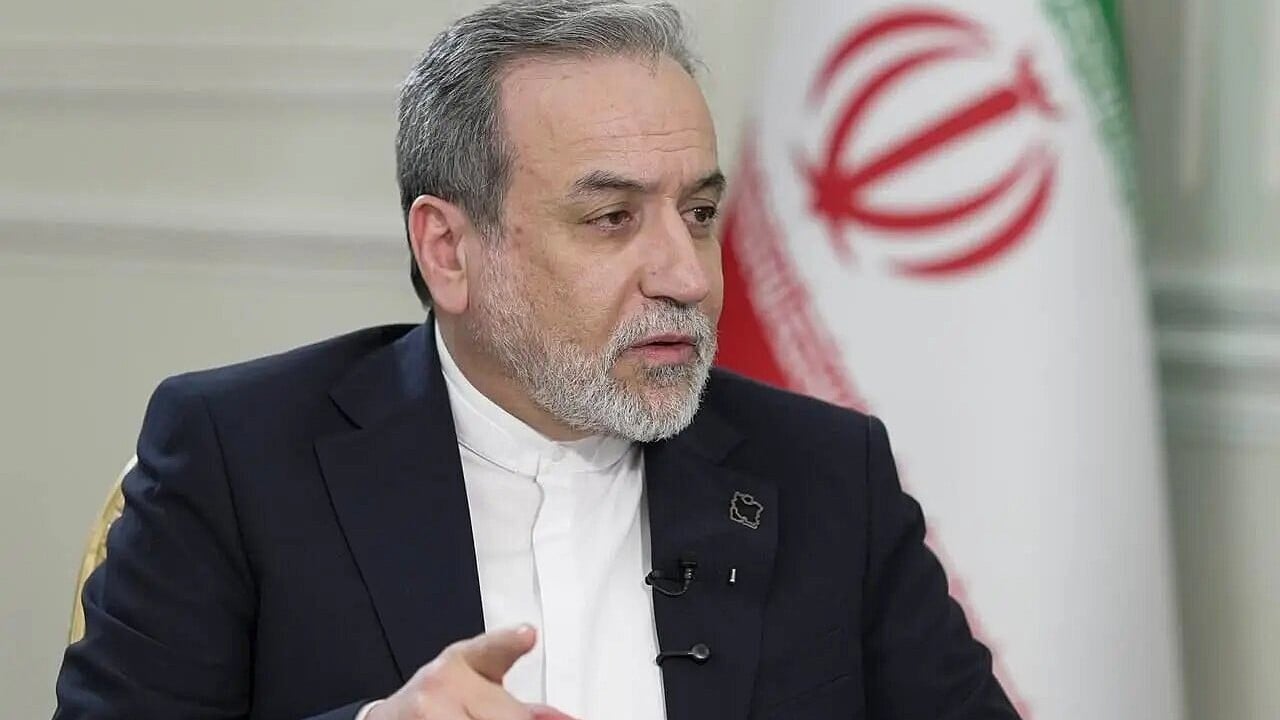




ISLAMABAD: Iranian Foreign Minister Abbas Araghchi has delivered a resounding endorsement of Pakistan’s diplomatic efforts to broker peace in the ongoing US-Israeli war against Iran.
In a widely circulated post on X, Araghchi declared that Tehran never refused to travel to Islamabad for talks.
He accused sections of American media of deliberately misrepresenting Iran’s position on ceasefire initiatives.
Araghchi expressed profound gratitude for Pakistan’s relentless mediation drive.
The minister stressed that any resolution must deliver a conclusive, fair and sustainable end to the illegal war imposed on Iran.
He concluded the message with the Urdu words “Pakistan Zindabad,” accompanied by a video of Iranians waving Pakistani flags in appreciation.
The statement lands as a direct rebuke to skeptics who claim Pakistan is not standing firmly with Iran.
It arrives one day after the Wall Street Journal reported that Pakistan-led regional mediation efforts had hit a dead end.
Pakistan has maintained intensive back-channel contacts with both Washington and Tehran for weeks.
Prime Minister Shehbaz Sharif and Iranian President Masoud Pezeshkian held parallel high-level conversations in late March.
Pakistan’s Chief of Army Staff also engaged US leadership on de-escalation.
These moves have elevated Islamabad’s stature as a credible neutral venue for sensitive diplomacy.
Pakistan and Iran share a 900-kilometre border steeped in centuries of cultural and religious affinity.
Bilateral trade has climbed to approximately three billion dollars, with both sides targeting an ambitious ten billion dollars in the coming years.
Eight memoranda of understanding signed during 2024 high-level visits cover trade, energy, border security and connectivity.
Projects under discussion include linking Gwadar and Chabahar ports as well as reviving the Iran-Pakistan gas pipeline.
Security cooperation along the frontier has intensified to combat smuggling, drug trafficking and militancy.
Pakistan’s Foreign Office has repeatedly called for immediate cessation of hostilities and return to dialogue.
Araghchi’s post directly counters narratives suggesting Iran rejected Pakistan-brokered proposals.
It reaffirms Tehran’s readiness for talks provided the terms ensure lasting peace rather than temporary pauses.
Regional media outlets across Pakistan and Iran have amplified the message as a major diplomatic victory.
Analysts describe the development as a powerful boost to Pakistan’s image as a responsible global actor.
The Iranian minister’s video of flag-waving crowds has gone viral, generating widespread goodwill among Pakistanis.
Critics who questioned Islamabad’s neutrality now confront clear evidence of Tehran’s trust.
Pakistan’s balanced foreign policy has enabled it to engage major powers while safeguarding regional stability.
As the US-Israeli conflict enters a critical phase, the world is watching Islamabad’s mediation role with heightened interest.
Araghchi’s clarification has injected fresh momentum into stalled talks.
It signals that Pakistan remains Tehran’s preferred diplomatic bridge.
The post underscores the depth of bilateral solidarity forged through decades of mutual support.
Pakistan’s proactive engagement has prevented further isolation of key regional players.
Experts note that sustained diplomacy on Pakistani soil could yet yield a breakthrough.
The Iranian foreign minister’s words have resonated strongly in both capitals.
They reinforce the narrative that Pakistan stands shoulder to shoulder with Iran in pursuit of justice and peace.
This episode marks a significant chapter in South-West Asian diplomacy.
It highlights how trusted partnerships can shape outcomes in complex international crises.
As efforts continue, Pakistan’s commitment to fair and lasting solutions stands validated on the global stage.