



ISLAMABAD: Unconfirmed reports suggest Pakistan and Afghan Taliban representatives may hold talks on Wednesday in Urumqi, China, hosted and mediated by Beijing, as cross-border tensions threaten regional stability.
The proposed meeting comes against a backdrop of intense fighting that erupted in late 2025 and intensified in early 2026, with Pakistan conducting multiple airstrikes inside Afghanistan and the Taliban responding with retaliatory attacks.
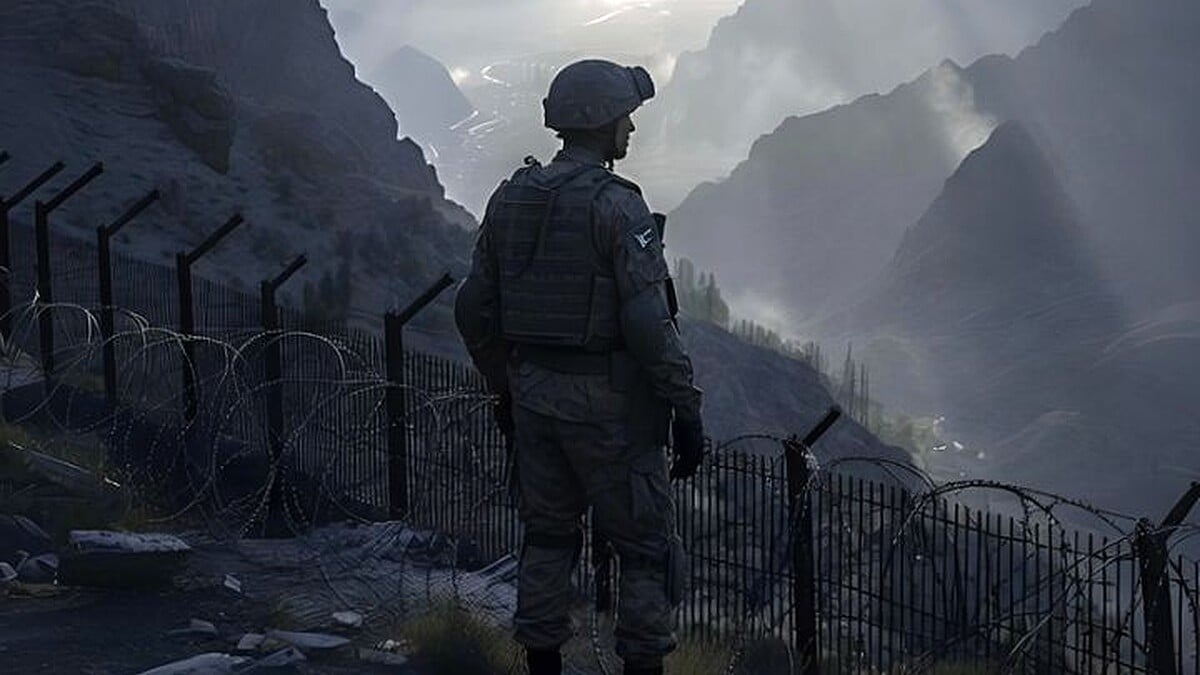
Pakistan has accused the Afghan Taliban of providing safe havens to Tehreek-e-Taliban Pakistan fighters, who have launched deadly operations across the 2,600-kilometre Durand Line.
Official Pakistani data and independent reports indicate terrorism-related deaths in Pakistan surged sharply in 2025, marking the deadliest year in over a decade.
According to the Global Terrorism Index 2026, Pakistan recorded 1,139 terrorism deaths and 1,045 incidents in 2025, with TTP responsible for 637 fatalities, the highest since 2011.
TTP carried out 595 attacks that year, a 24 per cent increase from 2024, and accounted for over 67 per cent of all terrorist incidents in Pakistan since 2009.
The South Asia Terrorism Portal documented around 3,967 deaths linked to terrorism and militancy in 2025, including 1,709 incidents.
Pakistani security forces faced heavy pressure in Khyber Pakhtunkhwa and Balochistan, where over 95 per cent of attacks occurred.
Cross-border clashes escalated dramatically in October 2025 when Pakistan launched airstrikes targeting TTP leaders in Kabul and other Afghan provinces.
Afghan forces retaliated, leading to ground fighting that killed at least 23 Pakistani soldiers in initial exchanges, with both sides claiming higher enemy casualties.
Further escalation occurred on February 26-27, 2026, when Pakistan conducted coordinated strikes on military sites in Kabul, Kandahar, Paktika and Paktia.
Afghan officials reported over 400 deaths in one strike on a Kabul facility, though Pakistan described targets as militant installations.
China has actively pushed for de-escalation through shuttle diplomacy.
In March 2026, Chinese Foreign Minister Wang Yi urged both sides to resolve disputes through dialogue rather than force during calls with Afghan and Pakistani counterparts.
China’s special envoy for Afghan affairs, Yue Xiaoyong, conducted mediation visits to Islamabad and Kabul between March 7 and 14, pressing for an immediate ceasefire.
Beijing’s efforts followed earlier attempts by Qatar, Saudi Arabia and Türkiye that yielded only temporary pauses.
Pakistan has repeatedly demanded verifiable action from the Afghan Taliban to dismantle TTP sanctuaries before resuming normal diplomatic engagement.
Regional media reports claim Islamabad courteously declined some Chinese proposals for direct talks without tangible security guarantees on the ground.
Despite appreciation for Beijing’s role, Pakistani officials insist on concrete assurances against militant threats emanating from Afghan soil.
The Afghan Taliban have denied harbouring TTP fighters and accused Pakistan of sovereignty violations through repeated incursions.
Tensions have severely disrupted bilateral trade, which dropped sharply after border closures in late 2025.
Thousands of civilians have been displaced near the frontier amid artillery exchanges and airstrikes.
China’s interest in mediation stems from strategic concerns over stability along its western borders and protection of Belt and Road Initiative projects, including potential extensions into Afghanistan.
Urumqi, capital of Xinjiang, has previously hosted Afghan-related dialogues, including secret talks in 2015 involving Afghan government and Taliban representatives.
If the reported Wednesday meeting proceeds, it could represent a significant diplomatic breakthrough or at least a channel for backchannel communication.
Analysts note that without addressing core issues of militant sanctuaries and border recognition, any talks risk remaining inconclusive.
Pakistan maintains that continued TTP attacks, which have targeted security forces and civilians, leave little room for compromise absent decisive action from Kabul.
The Afghan side has called for respect of sovereignty and an end to cross-border operations.
International observers, including UN experts, have urged both nations to pursue a lasting ceasefire to prevent further civilian casualties and regional spillover.
As Wednesday’s potential talks loom under Chinese auspices, the stakes remain high for de-escalation in one of South Asia’s most volatile corridors.
Success could open pathways for broader economic cooperation, while failure might prolong the cycle of retaliation and instability.
Pakistan’s security establishment continues robust counterterrorism operations inside its territory while keeping diplomatic options alive through trusted partners like China.
The outcome in Urumqi may influence whether tensions ease or escalate further in the coming months.