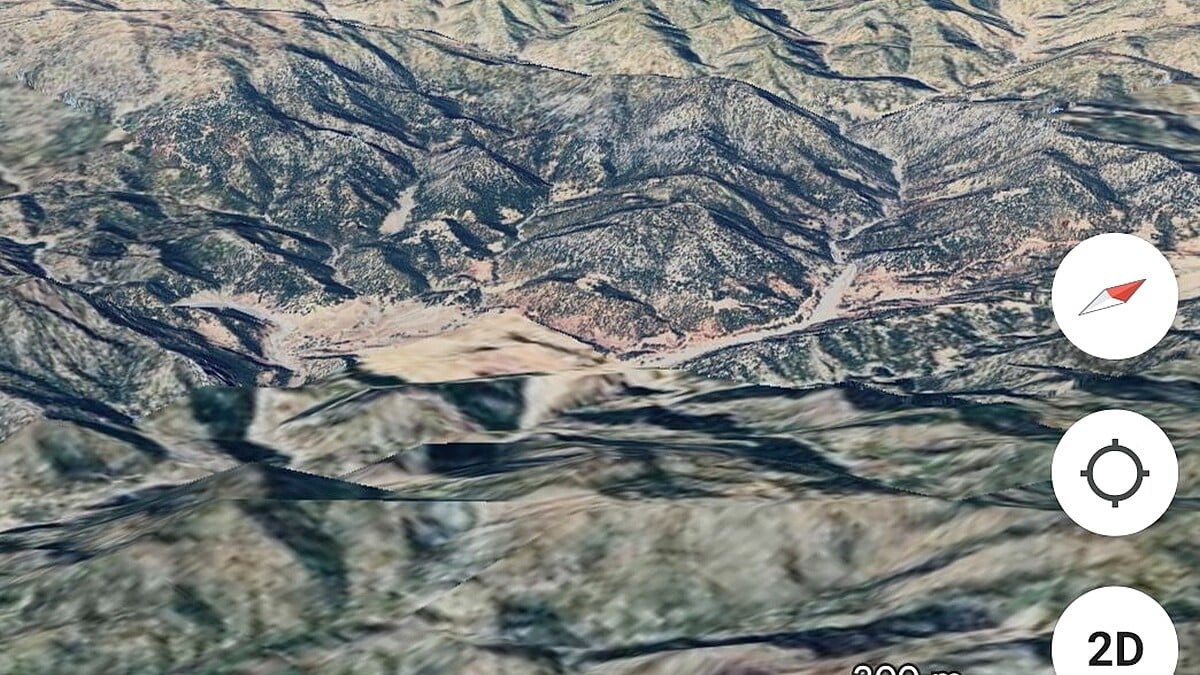




ISLAMABAD: Pakistani security forces have removed Afghan Taliban militants from a precisely measured 12.21-kilometre stretch extending from the Angoor Ada sector to the Birmal area in Afghanistan’s Paktika province. All border posts within this contested zone have been dismantled in a swift and coordinated operation. The entire area now remains fully under the control of Pakistani troops, according to authoritative security sources. No forward movement or permanent occupation has been authorised by higher command as of now.
This development marks a significant assertion of sovereignty along the volatile Durand Line. The 2,640-kilometre frontier has long been plagued by infiltration and cross-border militancy. Official reports confirm the action followed repeated unprovoked firing from Afghan Taliban positions targeting Pakistani checkposts in South Waziristan. National media outlets, including Dawn, detailed how forces responded with precision artillery and targeted strikes, neutralising threats without escalation.
In the immediate aftermath of February clashes, Pakistani troops captured five key Afghan checkposts. Two stood opposite Shawal, two faced the Angoor Ada sector directly, and one lay opposite Zarmilan. Security officials confirmed the complete destruction of the Afghan Charlie Post and Afghan Babri Post in the Angoor Ada sector. An Afghan terminal allegedly used for military purposes was also razed, leaving the 12.21-kilometre corridor devoid of hostile infrastructure.
Data from Pakistan’s interior ministry underscores the strategic necessity of such measures. Since the Taliban takeover of Afghanistan in 2021, Tehrik-e-Taliban Pakistan attacks have surged dramatically. Official statistics reveal 664 total fatalities in 2021, escalating to 4,001 by 2025 and already 895 in early 2026. Over 1,200 security personnel lost their lives in TTP-linked incidents during this period alone, with the group claiming responsibility for triple the number of assaults compared to pre-2021 levels.
Pakistan has invested heavily in border infrastructure to counter this threat. Fencing along the Durand Line reached 98 percent completion by 2023, spanning nearly 2,570 kilometres of the total 2,640-kilometre boundary. Military forts positioned every one to three kilometres now guard against infiltration. Yet persistent Taliban tolerance of TTP sanctuaries in Paktika and adjacent provinces compelled the latest response, sources said.
International observers noted the broader humanitarian fallout. United Nations reports indicate over 115,000 people displaced by the February-March 2026 fighting across border districts. Afghan civilian casualties in Paktika’s Barmal district alone reached 14 in one documented airstrike, according to UN monitors. Pakistani officials maintain all actions remained proportionate and intelligence-driven, aimed solely at dismantling operational posts used for attacks.
Regional analysts highlight the operation’s data-backed precision. No Pakistani casualties were reported in the Angoor Ada-specific phase, while Afghan Taliban elements suffered significant losses, with local estimates exceeding 40 operatives neutralised in related strikes. Footage circulating on national channels showed Pakistani flags raised at captured positions, symbolising restored control without territorial ambition.
The absence of international coverage on this exact 12.21-kilometre clearance has amplified reliance on Pakistani and Afghan national reporting. Dawn and Radio Pakistan corroborated the dismantling of posts and full Pakistani oversight. Afghan Taliban spokespersons acknowledged retreats but claimed limited impact, a narrative contradicted by ground verification from security officials.
This episode occurs against a backdrop of strained bilateral ties. Pakistan has deported over one million Afghans since November 2023, citing security imperatives. Multiple rounds of diplomatic talks in Istanbul collapsed without resolution on TTP safe havens. The latest border action, while defensive, signals Islamabad’s shifting threshold for tolerance.
Higher command’s restraint on permanent occupation reflects calculated strategy. Forces maintain high alert status, monitoring the zone round-the-clock. The 12.21-kilometre stretch now serves as a buffer, free of Taliban infrastructure that previously facilitated militant crossings. Residents in nearby South Waziristan reported relative calm following the operation, though anxiety lingers amid ongoing regional volatility.
Experts project long-term implications for regional stability. With 98 percent of the Durand Line fortified and TTP activity curtailed in the cleared sector, Pakistan aims to reduce annual attack figures that peaked at over 1,000 incidents in 2025. The operation demonstrates a data-driven approach: precise intelligence, minimal footprint, and maximum disruption of hostile networks.
As monitoring continues, the message remains clear. Pakistani security forces will defend territorial integrity through measured, evidence-based responses. The 12.21-kilometre victory in Angoor Ada to Birmal stands as testament to operational resolve amid one of South Asia’s most complex security challenges.