



ISLAMABAD: Israel has formally expressed deep gratitude to the United Arab Emirates authorities for their crucial assistance in enabling the safe return of numerous Israeli citizens stranded in the Gulf state amid ongoing regional security challenges.
The statement highlights the enduring strength of bilateral ties between the two nations, which have demonstrated reliability in both peaceful periods and times of crisis.
This development follows a series of unprecedented Iranian missile and drone attacks that temporarily disrupted air travel across the region, including closures at major UAE airports such as Dubai International.
An estimated 14,000 Israeli nationals were initially affected, primarily tourists and residents in Dubai and Abu Dhabi, after commercial flights were halted due to security risks.
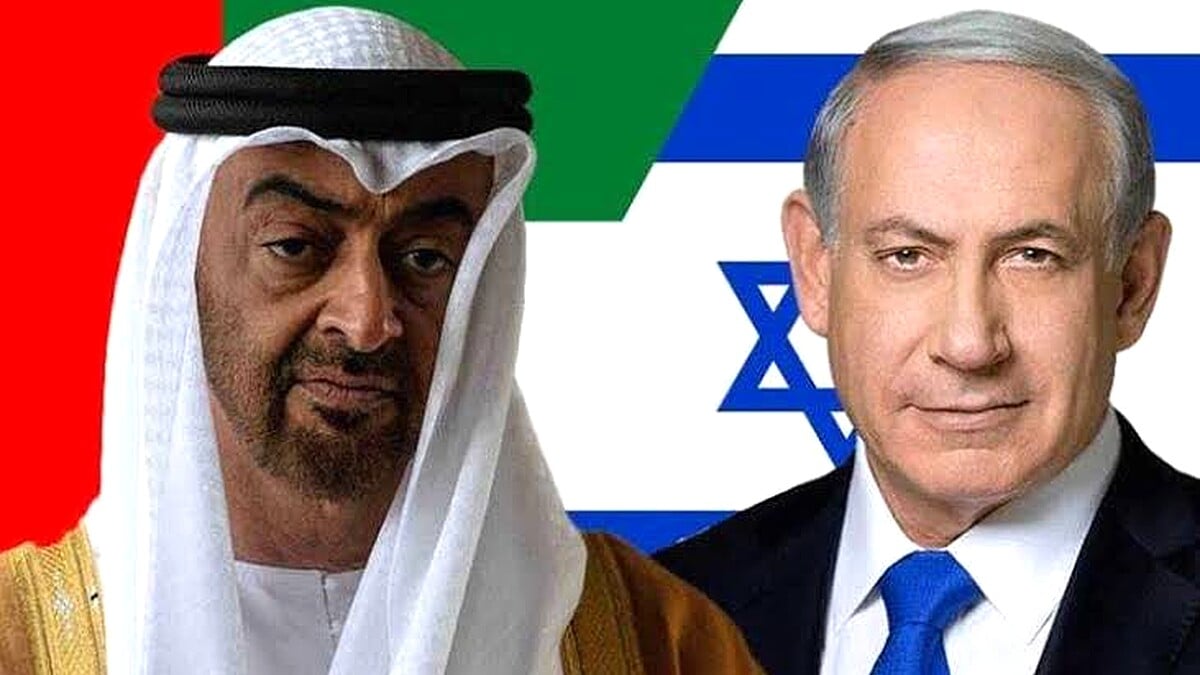
Israeli Transportation Minister Miri Regev announced the resumption of repatriation efforts following direct coordination between Prime Minister Benjamin Netanyahu and UAE President Mohammed bin Zayed.
The agreement facilitated special repatriation flights operated in partnership with Emirati airlines, including flydubai and Etihad, with some routes diverted through Aqaba in Jordan or Athens in Greece to ensure safety.
Priority was given to vulnerable groups, including families with children, elderly individuals over 65, women, and humanitarian cases, allowing direct returns to Israel where possible.
The first rescue flight from Dubai successfully landed at Ben Gurion Airport carrying approximately 330 passengers, marking the start of Operation Gulf Lionesses, a dedicated initiative to bring citizens home.
Subsequent flights have continued, with Israeli authorities projecting completion of the operation by the end of the week, subject to stable security conditions.
As of recent updates, around 1,150 Israelis remained in the UAE, with ongoing efforts to evacuate them free of charge under the bilateral framework.
This cooperation underscores the practical benefits of the Abraham Accords, signed in 2020, which normalized relations and opened avenues for economic, technological, and security collaboration.
Despite periodic strains in regional dynamics, including differing positions on broader Middle East issues, the UAE’s willingness to support evacuation logistics has reinforced mutual trust.
Israeli officials emphasized that the partnership extends beyond routine diplomacy, proving effective during acute emergencies such as airspace closures and threats from Iranian-backed actions.
The UAE’s role included maintaining limited airport operations where feasible and coordinating with Israeli ministries to prioritize citizen safety.
This episode occurs against the backdrop of escalated tensions following joint US-Israel operations against Iranian targets, which prompted retaliatory strikes affecting Gulf airspace.
Governments worldwide, including the United States, have similarly mobilized resources to repatriate their nationals from the Middle East, highlighting the widespread impact of the conflict.
For Israel, the UAE’s assistance has been particularly significant given the large number of its citizens present in the Emirates for tourism, business, and residency.
Prior to the disruptions, direct flights had become commonplace under normalized ties, boosting people-to-people contacts.
The gratitude expressed reflects appreciation not only for logistical support but also for the political commitment to uphold the spirit of normalization even under pressure.
Analysts note that such gestures help sustain the Accords’ momentum, countering narratives of fragility amid ongoing regional volatility.
The operation has involved multiple Israeli agencies, including the Prime Minister’s Office, Ministry of Transportation, and Ministry of Foreign Affairs, working in tandem with Emirati counterparts.
Flights have proceeded cautiously, with security assessments guiding schedules to avoid escalation risks.
This successful collaboration serves as a testament to the strategic value of diplomatic breakthroughs achieved through the Abraham Accords framework.
As repatriation nears completion, attention turns to restoring normal travel links and further strengthening bilateral cooperation in areas like trade and innovation.
The incident illustrates how normalized relations can deliver tangible outcomes for citizens during unforeseen crises, fostering long-term stability in a turbulent region.
Israel’s statement reaffirms that the friendship with the UAE remains robust, capable of withstanding tests in both peace and conflict.