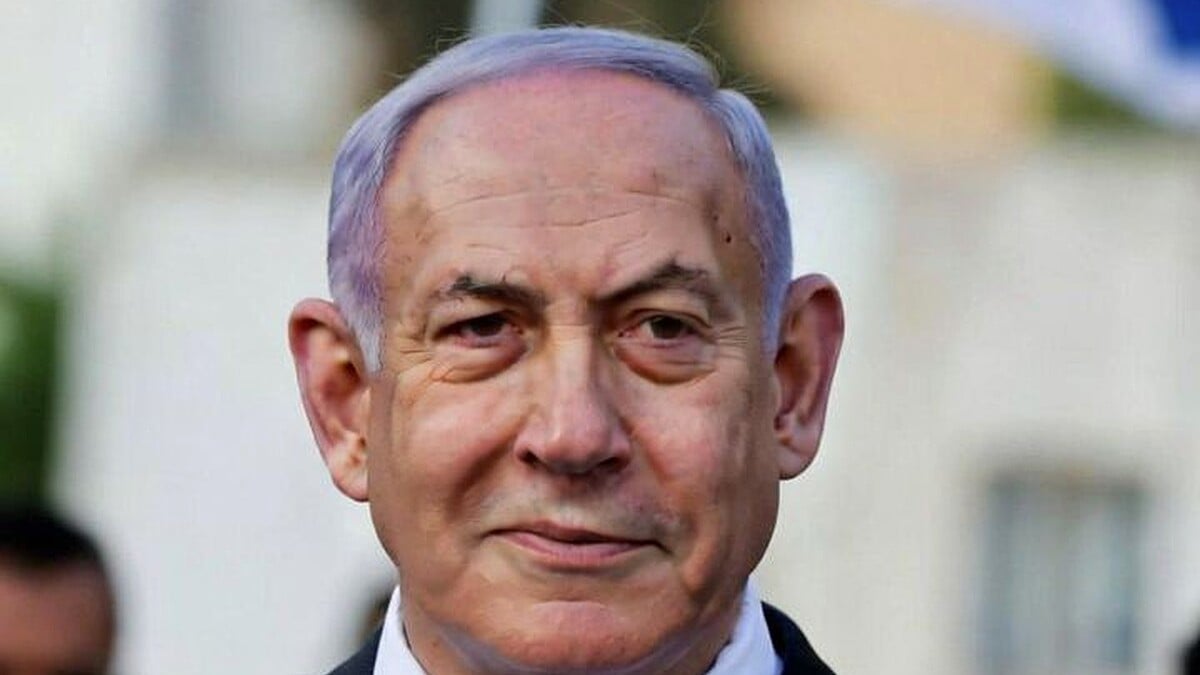




ISLAMABAD: Media Reports circulating on social media platforms have claimed that Israeli Prime Minister Benjamin Netanyahu is dead or seriously injured following recent ballistic missile exchanges in the escalating Iran-Israel conflict, prompting the Prime Minister’s Office to issue a public advisory urging citizens to depend solely on official and verified updates.
The rumours gained traction after an official tweet from the @IsraeliPM account was reportedly deleted, sparking immediate speculation among online users. Some posts referenced an alleged incident involving Israel’s Treasury Secretary Scott Bessant, who reportedly left a press conference abruptly to take a direct call with former US President Donald Trump and returned visibly shaken, interpreting this as a sign of grave developments at the highest levels.
Adding to the confusion, a recently circulated video purportedly showing Netanyahu speaking exhibited anomalies, including what observers described as six fingers on one hand, leading many to label it as an AI-generated fabrication designed to either confirm or debunk his survival. Such visual glitches have fuelled doubts about the authenticity of recent public appearances attributed to the prime minister.
Reports also emerged alleging that Netanyahu has not been seen in public for the past two to three days, coinciding with claims of a ballistic missile strike targeting his residence or associated sites, which supposedly resulted in the death of his brother, Iddo Netanyahu. Multiple viral posts asserted that Iddo was killed in a fire caused by an Iranian missile impact on the family home, though fact-checking outlets have traced related footage to unrelated incidents, such as a house fire in New Jersey predating the current escalation.
Iranian state-affiliated media outlets have amplified these narratives, promoting speculation that Netanyahu may have been killed or wounded in targeted strikes during the ongoing hostilities. Claims from Iran’s Revolutionary Guard suggested successful hits on key locations, including purported offices or bunkers, leaving his fate “unclear” according to their statements. However, Israeli officials have dismissed these as deliberate disinformation campaigns aimed at sowing chaos and undermining public confidence.
Last evidence shows Netanyahu delivering statements as late as March 7, 2026, addressing national challenges and thanking security teams. Visuals from March 5 depicted him in a security consultation, and additional remarks appeared around March 3 during a synagogue visit amid heightened regional tensions.
The current wave of rumours follows a pattern observed in the conflict, where both sides engage in information warfare. Pro-Iranian accounts have spread unconfirmed reports targeting other figures, such as National Security Minister Itamar Ben-Gvir and Mossad leadership, with similar death hoaxes garnering millions of views before being debunked. Israeli responses have consistently labelled such content as “fake news” intended to exploit the fog of war.
The Prime Minister’s Office advisory emphasises the importance of verified channels during periods of intense military activity and misinformation. This comes against the backdrop of US-Israel joint operations against Iranian targets, including strikes that neutralised perceived nuclear threats, as referenced in earlier official communications praising the alliance under President Trump.
Social media analysis reveals rapid dissemination of these claims, often originating from anonymous or partisan accounts, with limited corroboration from credible journalistic sources. The deletion of the tweet, while unconfirmed in detail, has been cited in threads linking it to broader instability signals, including the Bessant episode, though no official explanation has tied these events directly to Netanyahu’s status.
Experts on regional disinformation note that such rumours serve psychological objectives, aiming to erode morale, provoke internal divisions, or pressure decision-making in wartime. Israel’s history of swift rebuttals to similar claims underscores the government’s strategy to counter narratives proactively.
As the conflict continues with missile barrages and retaliatory actions, public reliance on official communications remains critical to distinguishing fact from fabrication. No independent confirmation supports the death rumours, and recent documented activities point to Netanyahu’s ongoing involvement in leadership duties. The situation highlights the challenges of information integrity in modern hybrid warfare environments.