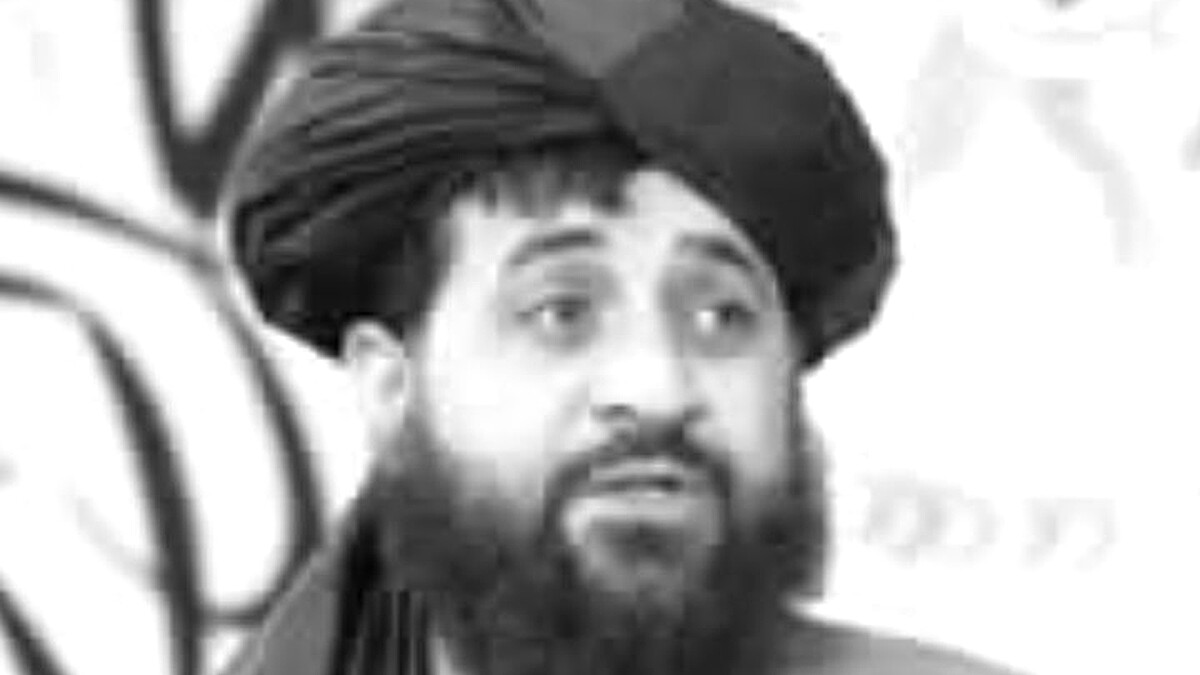




ISLAMABAD: Afghanistan’s Defence Minister Mullah Mohammad Yaqoob Mujahid has issued a stark warning to Pakistan, declaring that any unrest or attack on Kabul would trigger equivalent instability and retaliation in Islamabad.
In a recent interview with Tolo News, the senior Taliban official emphasised a direct linkage between the security of the two capitals. He stated that disturbances in Kabul would inevitably spill over to Islamabad, and any targeting of Kabul would prompt a response in Pakistan’s capital.
The remarks come against the backdrop of heightened military tensions along the Durand Line, the disputed 2,600-kilometre border separating the two countries. Pakistan has conducted airstrikes inside Afghan territory in recent months, targeting alleged sanctuaries of the Tehreek-e-Taliban Pakistan (TTP), a militant group responsible for numerous attacks within Pakistan.
Mullah Yaqoob dismissed Pakistan’s characterisation of the TTP as a terrorist organisation, describing such claims as imaginary and unrealistic. He rejected Islamabad’s demands that the Afghan government dismantle TTP infrastructure on its soil, arguing that the underlying issues stem from historical disputes over the border demarcation.
The Afghan minister further asserted Afghanistan’s preparedness for sustained confrontation. He indicated that his forces are equipped to engage in conflict for up to ten years if necessary, underscoring a resolve to defend sovereignty against perceived aggression.
This rhetoric follows a pattern of reciprocal accusations. Pakistan maintains that TTP fighters operate from Afghan havens, with attacks by the group having surged significantly since the Taliban’s return to power in 2021. Official data from conflict monitoring sources indicate a more than doubling of TTP-related incidents in Pakistan during 2025 compared to earlier periods.
In response to militant activities, Pakistan has escalated military operations, including airstrikes on locations in provinces such as Paktika, Khost, and Kandahar. These actions have drawn strong condemnation from Kabul, which accuses Islamabad of violating Afghan airspace and targeting civilians.
The exchange of threats has raised concerns over the potential for broader escalation. Previous attempts at de-escalation, including mediated talks in Doha that resulted in temporary ceasefires, have faltered amid mutual distrust. High-level delegations, including those involving Mullah Yaqoob and his Pakistani counterpart, have engaged in discussions facilitated by regional actors, yet core disagreements persist.
Analysts note that the Durand Line remains a central point of contention. The Afghan side has historically viewed the boundary as an artificial imposition from the colonial era, refusing formal recognition. Mullah Yaqoob has previously referred to it as an imaginary border, a position that complicates diplomatic resolutions.
Recent developments have included cross-border shelling and ground clashes, contributing to civilian displacements and economic disruptions. Trade routes have faced intermittent closures, affecting livelihoods in border regions on both sides.
Pakistan’s leadership has repeatedly called for verifiable actions by the Taliban administration to curb militant activities. Defence officials in Islamabad have stressed that continued attacks originating from Afghan territory leave limited options beyond defensive and pre-emptive measures.
Conversely, Afghan spokespersons, including Taliban representatives, have expressed willingness for dialogue while insisting on respect for sovereignty. They deny providing support to groups targeting Pakistan and accuse Islamabad of harbouring elements hostile to Afghan interests.
The interview’s timing coincides with ongoing low-level incidents along the frontier. Reports indicate that in response to specific provocations, casualties have mounted, with Mullah Yaqoob alluding to an incident where ten Pakistani soldiers were killed as a direct reprisal.
Such statements highlight the fragile state of bilateral relations. The two neighbours, once aligned during the anti-Soviet resistance and subsequent periods, now face a cycle of mistrust exacerbated by security challenges and unresolved territorial claims.
International observers have urged restraint and renewed diplomatic engagement to prevent a full-scale conflict. Regional powers, including those involved in prior mediations, continue to advocate for political solutions over military confrontation.
The implications extend beyond the immediate border areas. Instability could affect regional trade corridors, counter-terrorism efforts, and humanitarian access in a region already burdened by economic pressures and displacement.
As both sides maintain firm positions, the path forward remains uncertain. Mullah Yaqoob’s warnings serve as a reminder of the high stakes involved, where actions in one capital could reverberate profoundly in the other.