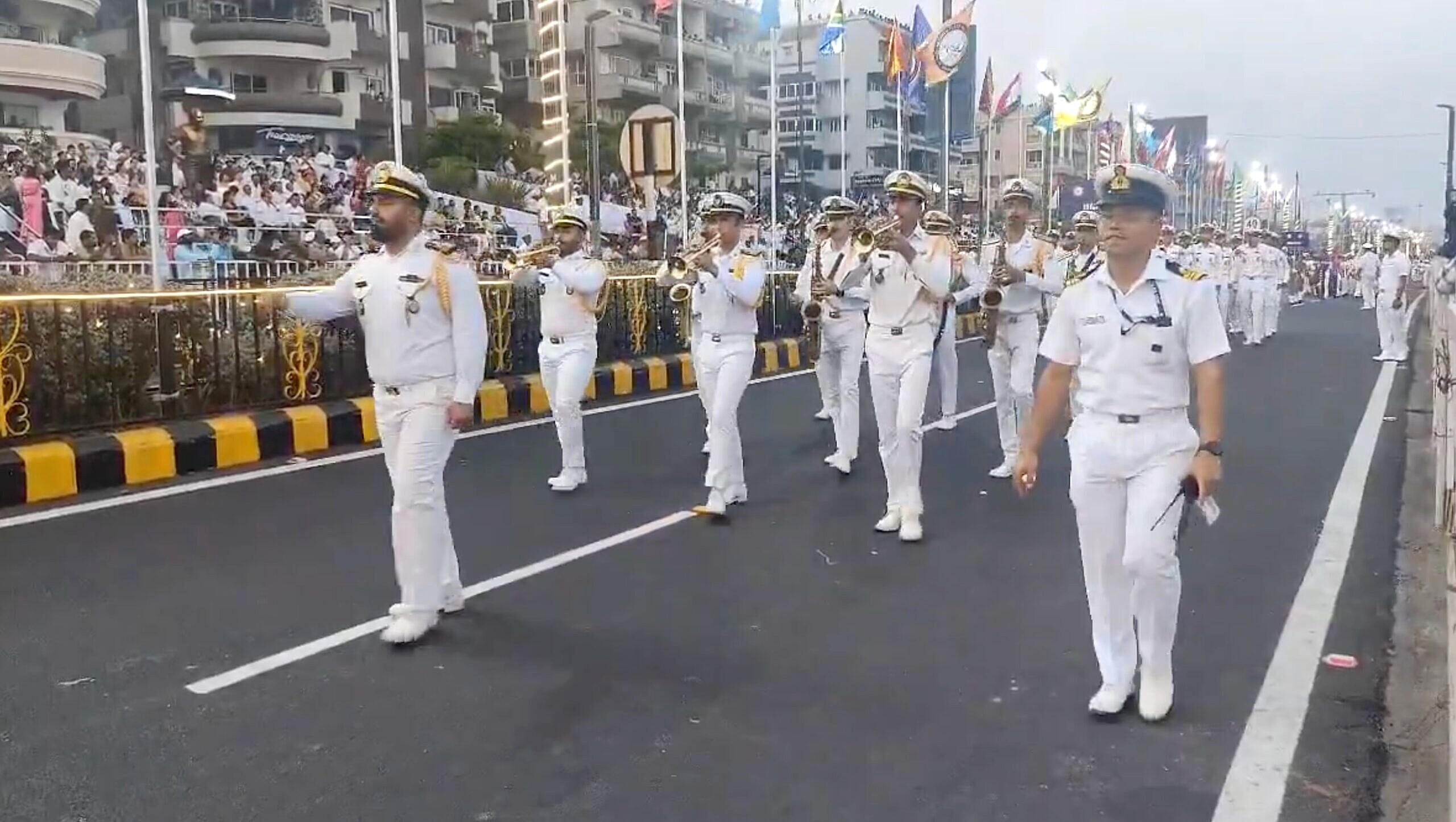




The Iranian frigate IRIS Dena, which participated in India’s MILAN 2026 naval exercise just weeks ago, was sunk by a US submarine torpedo in the Indian Ocean, resulting in significant loss of life among its crew.
ISLAMABAD: The Iranian Navy frigate IRIS Dena, recently engaged in multinational exercises off India’s eastern coast, has been sunk by a torpedo fired from a United States submarine in international waters of the Indian Ocean.
The incident occurred on March 4, 2026, shortly after the vessel departed from Visakhapatnam following participation in the MILAN 2026 naval exercise and International Fleet Review hosted by the Indian Navy.
Defence Secretary Pete Hegseth confirmed the US role in the attack during a Pentagon briefing, describing it as a “quiet death” delivered by a single Mk-48 heavyweight torpedo.
This marks the first confirmed sinking of an enemy surface ship by a US submarine using torpedoes since World War II.
The strike took place off the southern coast of Sri Lanka, near Galle, in waters considered part of India’s strategic sphere of influence. Sources have revealed that Indian Intelligence informed US after the warship left the indiam waters.
Sri Lankan authorities responded swiftly to a distress signal from the frigate, launching rescue operations at dawn.
Reports indicate that 32 crew members were pulled from the sea and transported to hospitals in Galle, where they received treatment for injuries.
At least 80 personnel are confirmed killed, with figures from various sources ranging higher, including up to 101 missing and presumed lost.
The vessel, a Moudge-class frigate of approximately 1,500 tons displacement, carried a complement of around 180 sailors.
Built domestically in Iran and armed with surface-to-air missiles, anti-ship missiles, torpedoes, and capable of operating a helicopter, IRIS Dena represented a key asset of the Islamic Republic of Iran Navy’s Southern Fleet.
The frigate had docked at Visakhapatnam port in mid-February 2026 to join MILAN 2026, a biennial multilateral exercise held from February 17 to 25.
Over 70 countries participated in the drills, which involved more than 60 warships and focused on enhancing interoperability, maritime domain awareness, and collective security responses in the Indo-Pacific region.
Iran’s involvement underscored Tehran’s efforts to expand maritime diplomacy and demonstrate operational reach beyond the Persian Gulf.
Senior Iranian naval officers, including Rear Admiral Shahram Iran, attended related events such as the Indian Ocean Naval Symposium.
The ship departed Indian waters following the conclusion of harbour and sea phases, which included joint manoeuvres, parades, and professional exchanges.
Sources indicate that US naval assets, including submarines, maintained presence in the broader Indian Ocean during this period.
The attack unfolded amid escalating US-Iran hostilities, part of a wider conflict that has seen strikes on Iranian naval vessels, missile bases, and other infrastructure since late February.
Pentagon officials have released footage purportedly showing the torpedo impact, highlighting the precision and lethality of the engagement.
The sinking has raised concerns in regional capitals about the extension of Middle East tensions into South Asian maritime domains.
India, which hosted the Iranian vessel for the exercise, now faces questions regarding the security of international naval interactions in its vicinity.
New Delhi has not issued an official statement on the incident, though defence analysts note the proximity to Indian ports and the presence of foreign warships during MILAN.
Sri Lanka’s navy and foreign ministry have coordinated recovery efforts, recovering bodies and debris from the site.
The oil slick left by the sunken frigate has prompted environmental monitoring in the area.
Iranian officials have condemned the strike as an act of aggression in international waters, vowing retaliation.
The event underscores the volatile nature of great-power competition in the Indian Ocean, where multiple navies operate in close proximity.
Observers point to the irony that sailors who paraded and trained alongside international counterparts in Visakhapatnam met a sudden end soon after leaving port.
The loss of IRIS Dena represents a significant blow to Iran’s naval capabilities amid ongoing regional conflict.
Further details on casualties and the precise circumstances continue to emerge as investigations proceed.