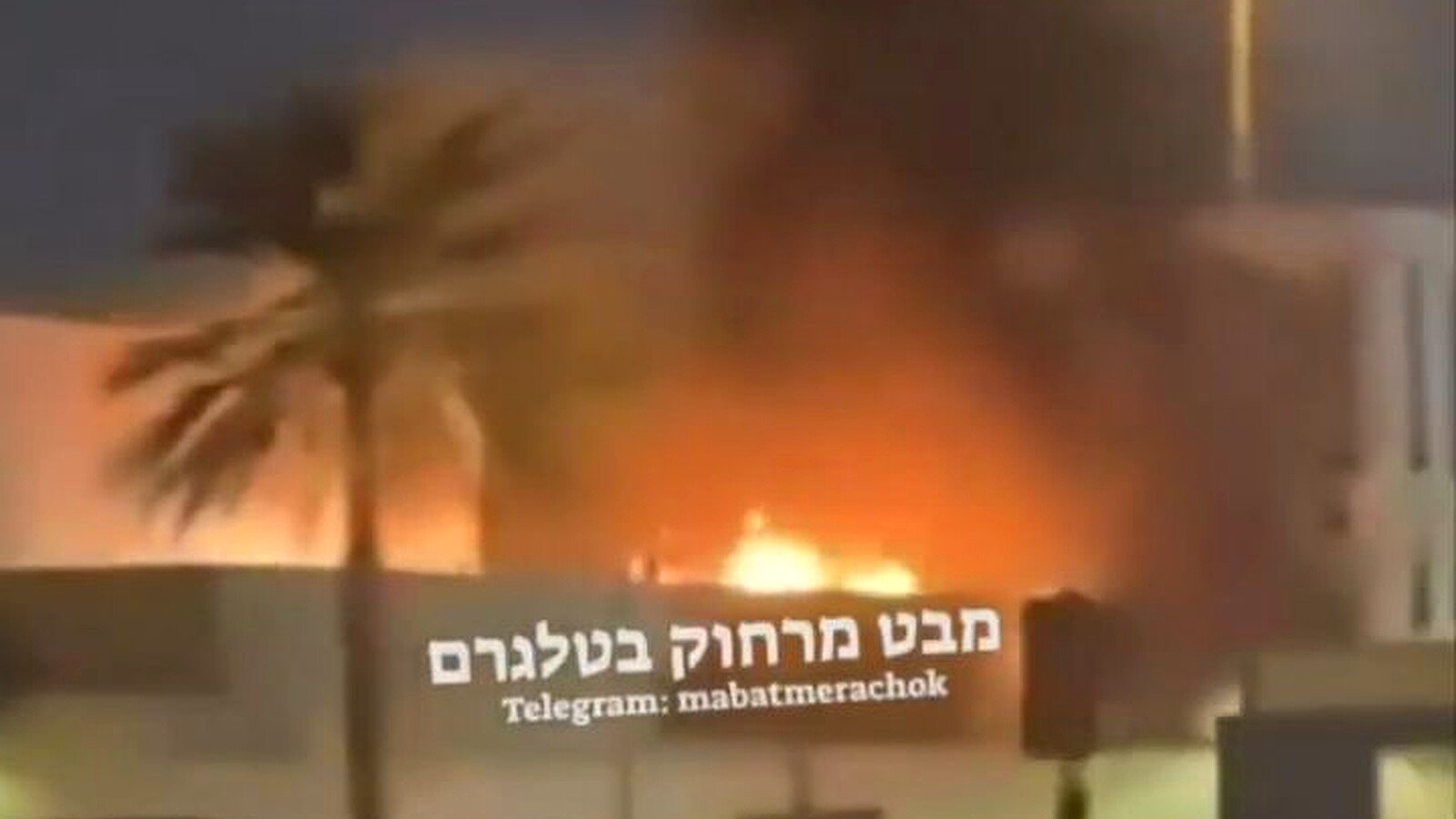




ISLAMABAD: Simultaneous explosions struck the U.S. Consulate General in Dubai and multiple sites in Fujairah on March 3, 2026, as Iran intensified retaliatory strikes on Gulf states hosting U.S. military assets following U.S.-Israeli operations against Iranian targets.
The attacks form part of Iran’s broader campaign targeting U.S.-affiliated facilities across the United Arab Emirates and neighboring countries.
Dubai authorities reported a drone strike in the vicinity of the U.S. Consulate General, resulting in a limited fire that emergency services contained rapidly.
No casualties occurred at the consular premises, though the incident raised immediate concerns regarding the security of American diplomatic installations in the commercial hub.
In Fujairah, air defense systems intercepted an Iranian drone, with falling debris igniting a fire in the Fujairah Oil Industry Zone, a key facility for oil storage and trade.
The Fujairah Media Office confirmed that responders extinguished the blaze efficiently, allowing operations to resume without reported injuries or fatalities.
Smoke plumes became visible over the industrial area as interception efforts continued amid heightened alerts.
These coordinated incidents coincided with Iranian claims of targeting U.S. ammunition depots and military positions throughout the Emirates.
The UAE Ministry of Defence disclosed that since late February 2026, its forces intercepted 172 out of 186 ballistic missiles launched by Iran, with one missile impacting UAE territory.
Additionally, 755 of 812 detected drones were neutralized, while 57 fell within the country, contributing to sporadic damage from debris.
Iran’s Islamic Revolutionary Guard Corps asserted responsibility for strikes on U.S. bases, including Al Dhafra Air Base in the UAE.
Analysts note that approximately 63 percent of Iranian projectiles have aimed at UAE infrastructure, including airports, ports, and energy sites.
In Dubai, explosions affected districts such as Palm Jumeirah, damaging luxury hotels and residential buildings near prominent landmarks.
Dubai International Airport experienced temporary operational disruptions, exacerbating regional aviation challenges.
Casualties in the UAE remain relatively contained, with official figures indicating three fatalities among foreign workers and several dozen injuries from shrapnel and secondary effects.
The U.S. military has not released detailed assessments of impacts on ammunition depots, maintaining operational security amid ongoing hostilities.
Evacuation procedures for U.S. personnel and citizens continue across the Gulf, with the State Department advising departures from high-risk areas.
Commercial airlines, including Emirates and Etihad, have modified flight schedules in response to persistent threats and airspace restrictions.
Global energy markets exhibit increased volatility, reflecting the UAE’s pivotal role in oil exports and Fujairah’s strategic location adjacent to the Strait of Hormuz.
Persistent threats to energy infrastructure could lead to prolonged supply disruptions and elevated international prices.
Diplomatic efforts toward de-escalation have yielded limited results, with regional leaders calling for restraint to avert broader confrontation.
The United States has affirmed its commitment to defending allies while pursuing proportionate responses to Iranian actions.
Iran describes its operations as defensive measures against perceived threats to national sovereignty.
The simultaneous nature of strikes on diplomatic, military, and commercial targets indicates advanced coordination in Iran’s retaliatory strategy.
UAE air defenses have demonstrated high effectiveness in mitigating widespread destruction, though cumulative strain on systems and infrastructure persists.
The Fujairah oil zone fire underscores vulnerabilities in critical energy assets, prompting enhanced protective evaluations.
The Dubai consular-area incident, despite limited scope, highlights risks to diplomatic facilities in an otherwise stable economic center.
As intermittent explosions continue across the Gulf, local populations and expatriate communities report elevated caution and adherence to shelter protocols.
International monitoring intensifies amid fears of escalation involving further regional actors.
The crisis tests the resilience of Gulf security frameworks and the stability of global energy flows.