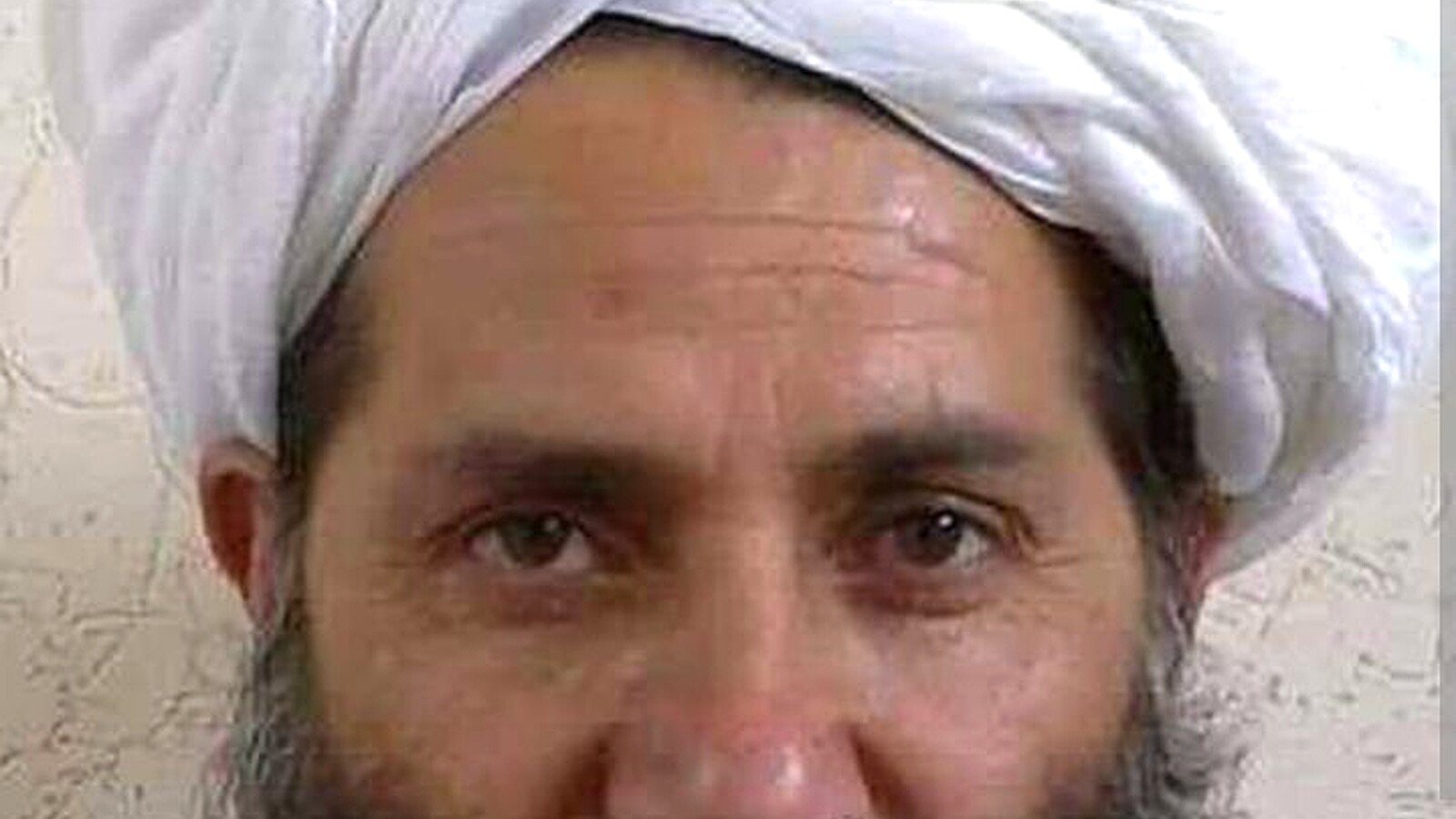




ISLAMABAD: Senior Pashtun journalist Ismail Khan has reported a significant message conveyed by an adviser to Afghan Taliban Supreme Leader Hibatullah Akhundzada to Pakistan, asserting that the Taliban leadership and regime have not authorized the Tehrik-i-Taliban Pakistan (TTP) or other armed groups, nor maintain any official policy in support of them.
The communication, as detailed by Khan, emphasizes that the current Afghan administration distances itself from such militant entities. This development emerges against the backdrop of persistent cross-border tensions and accusations that Afghanistan provides sanctuary to anti-Pakistan militants.
According to the report, the adviser further indicated that several figures within the Taliban view the TTP and the Balochistan Liberation Army (BLA) as an intolerable burden on Afghanistan. Such characterizations suggest growing internal frustration over the operational and reputational costs imposed by these groups.
The message includes a notable offer: if Pakistan formally requests it, the leadership of the Haqqani Network could detain TTP and associated leaders, along with their associates, and hand them over to Pakistani authorities. The Haqqani Network, a prominent faction integrated into the Taliban structure, has historically played a mediating role in regional militant dynamics.
This reported outreach arrives amid recent intense border clashes between Pakistani forces and Afghan Taliban elements. In recent days, heavy fighting has resulted in substantial casualties, with Pakistan claiming hundreds of Taliban fighters killed and numerous positions abandoned or captured inside Afghanistan.
The Afghan side has reported its own losses, including fighters killed and positions lost, while alleging civilian impacts from Pakistani actions. These confrontations highlight the volatile state of the Durand Line frontier, where skirmishes have escalated significantly.
Ismail Khan, widely regarded as a credible and experienced voice on Afghan affairs, has built his reputation through decades of reporting from Peshawar and the border regions. His assessments often draw on deep sources within Taliban circles and regional stakeholders, lending weight to the reported message.
If verified, the statement points to potential internal divisions within the Taliban leadership. It may reflect a recalibration of priorities, particularly as the regime grapples with governance challenges, economic isolation, and security threats from groups like the Islamic State-Khorasan Province.
Historically, Pakistan has accused the Afghan Taliban of providing safe havens to the TTP, a group that pledged allegiance to the Afghan Taliban emir and intensified attacks inside Pakistan following the 2021 Taliban takeover of Kabul. Such sanctuaries have fueled distrust and periodic military responses.
The TTP’s resurgence has manifested in increased attacks across Khyber Pakhtunkhwa and other regions, prompting Pakistan to demand verifiable action from Kabul. Previous assurances from Taliban spokespersons, including prohibitions on using Afghan soil against other countries, have not fully alleviated Islamabad’s concerns.
The offer involving the Haqqani Network carries particular significance. Led by Sirajuddin Haqqani, who serves as Afghanistan’s interior minister, the network has long maintained close ties with Pakistani intelligence and militant ecosystems. Its potential role in detentions could signal a willingness to address bilateral security grievances.
Nevertheless, skepticism persists in Islamabad regarding the reliability of such assurances. Past engagements, including mediated ceasefires and talks facilitated by Afghan Taliban figures, have yielded temporary lulls but not lasting resolutions.
Pakistan’s policy calculus now centers on the need for concrete, verifiable steps rather than verbal commitments. Demands for handing over key TTP commanders or dismantling their infrastructure remain central to any potential de-escalation.
The broader regional context includes ongoing instability in Afghanistan, where the Taliban regime faces multiple insurgent challenges and limited international recognition. Viewing groups like the TTP as burdens could stem from these pressures, as they complicate relations with neighbors and hinder prospects for legitimacy.
Analysts observe that internal Taliban debates over militant allies have surfaced periodically, with some factions prioritizing state consolidation over ideological solidarity. The reported message may represent one such strand of thinking.
For Pakistan, the credibility of this outreach will hinge on demonstrable outcomes. Without tangible actions, such as arrests or operational restrictions on TTP elements, bilateral tensions are likely to persist.
The timing, following heavy losses in border engagements, suggests an attempt to explore diplomatic avenues amid military stalemate. Whether this leads to meaningful engagement or remains rhetorical depends on follow-through from both sides.
Ultimately, the message underscores the complex interplay of ideology, pragmatism, and security imperatives shaping Taliban decision-making. It also highlights Pakistan’s enduring challenge in securing its western frontier against militant threats originating from across the border.