



ISLAMABAD: Pakistan is reportedly contemplating direct military action against key Afghan Taliban leadership figures in Kabul and Kandahar to counter the escalating threat from the Tehreek-e-Taliban Pakistan (TTP), amid a sharp rise in terrorist attacks originating from Afghan soil.
Intelligence assessments and official statements indicate that Islamabad views the Afghan Taliban’s unwillingness to dismantle TTP sanctuaries as a direct security challenge.
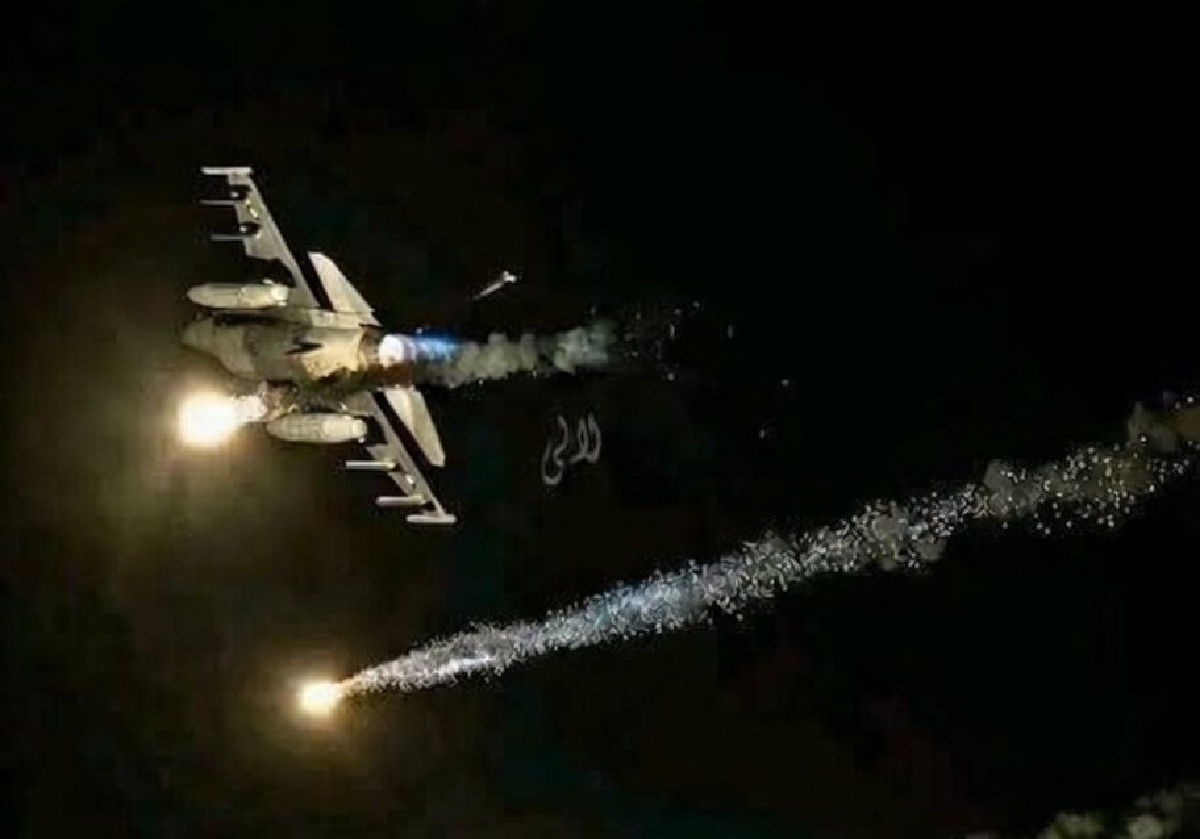
Recent developments show Pakistan conducting airstrikes in Afghanistan, including operations in February 2026 targeting TTP camps in eastern provinces such as Nangarhar and Paktika.
These strikes followed deadly suicide bombings and assaults in Pakistan, which authorities attribute to TTP fighters operating from across the border.
Pakistan’s defence and information ministries have repeatedly accused the Afghan Taliban regime of providing permissive environments for TTP leadership and operatives.
The TTP, ideologically aligned with the Afghan Taliban, has intensified its campaign since the latter’s return to power in 2021.
Data from security reports reveal a significant surge in militant violence in Pakistan, with hundreds of security personnel and civilians killed in recent years.
In 2024 and 2025 alone, attacks claimed by the TTP contributed to over a thousand fatalities, prompting Islamabad to label the group as a primary national security threat.
Pakistan has conducted multiple cross-border operations, including notable airstrikes in October 2025 under Operation Khyber Storm.
Those strikes targeted alleged TTP hideouts in Kabul, Khost, Jalalabad, and Paktika, with reports of attempts to hit high-value targets like TTP leader Noor Wali Mehsud in Kabul’s Abdul Haq Square.
While Pakistan described these as precise, intelligence-based actions, the Afghan Taliban reported civilian casualties and vowed retaliation.
Border clashes followed, with exchanges of fire along the Durand Line leading to dozens of deaths on both sides.
The Afghan Taliban launched counter-operations, capturing Pakistani posts in some sectors and inflicting losses.
Despite diplomatic engagements, including demarches and talks mediated through third parties, no lasting agreement has emerged.
Pakistan reserves the right to self-defence, with officials stating that failure to rein in the TTP could necessitate broader measures.
Speculation persists about potential targeting of Afghan Taliban figures in Kabul, the political hub, and Kandahar, viewed as the spiritual and decision-making centre.
Such actions would mark a major escalation, shifting from strikes on TTP affiliates to direct pressure on the ruling regime.
Defence Minister Khawaja Asif has publicly warned of capabilities to “obliterate” threats if necessary, though official policy emphasises selective operations against militants.
The TTP’s resurgence draws strength from Afghan sanctuaries, where it coordinates attacks and evades pursuit.
United Nations monitoring reports highlight collaboration between TTP, Afghan Taliban elements, and other groups like al-Qaeda affiliates.
This nexus undermines Pakistan’s repeated demands for action against terrorist infrastructure in Afghanistan.
Economic and political instability in Pakistan compounds the challenge, with militant violence exacerbating internal pressures.
Border fencing efforts and military deployments along the Durand Line have faced resistance, including Taliban fighters removing barriers.
Analysts note that Pakistan’s historical support for the Afghan Taliban has evolved into a complex rivalry, as ideological brethren turn into security adversaries.
Failed peace talks with the TTP, mediated at times by Afghan Taliban figures, have collapsed amid continued attacks.
Pakistan’s military maintains that “whatever means are available” will be used to protect citizens.
The situation risks broader regional instability, with implications for counterterrorism cooperation and refugee flows.
International observers urge restraint to avoid full-scale conflict between the nuclear-armed neighbour and the Taliban regime.
As attacks persist, pressure mounts on Islamabad to demonstrate resolve while avoiding unintended escalation.
The coming months could see further targeted operations if Afghan Taliban cooperation remains absent.
Pakistan’s security calculus now prioritises dismantling TTP leadership abroad, potentially extending to those enabling them in Kabul and Kandahar.