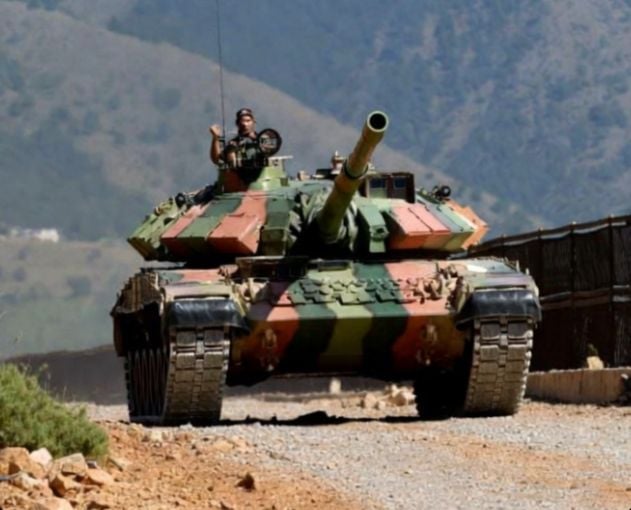




ISLAMABAD: Pakistan is seriously contemplating large-scale military operations, including extensive airstrikes and potentially ground incursions into Afghanistan, to neutralize the growing threat posed by the Tehreek-e-Taliban Pakistan (TTP) operating from Afghan territory.
Security officials indicate that no final decision has been made, but internal deliberations reflect mounting frustration with persistent cross-border terrorism. The fuse between the two neighbors is shortening rapidly as attacks from western Afghanistan continue unabated.
Data from independent monitoring sources reveal a sharp escalation in militant violence. In 2025 alone, Pakistan recorded its deadliest year in over a decade, with combat-related deaths surging significantly compared to previous periods.
Reports from think tanks such as the Pakistan Institute for Conflict and Security Studies highlight that militant violence claimed over 3,400 lives in 2025, marking a substantial increase from earlier years. Security forces suffered heavy casualties, with hundreds killed in clashes and ambushes.
The TTP emerged as the primary perpetrator, responsible for hundreds of attacks concentrated in Khyber Pakhtunkhwa and bordering districts. Open-source databases document around 600 to 700 TTP-linked incidents in 2025, targeting military posts, civilians, and infrastructure.
This resurgence traces back to the Afghan Taliban’s return to power in 2021. Pakistan accuses Kabul of providing safe havens to TTP fighters, allowing them to regroup, train, and launch operations across the porous Durand Line.
A United Nations monitoring report from mid-2025 confirmed that the TTP continued receiving logistical and operational support from elements within Afghanistan. Despite denials from Kabul, ideological and historical ties between the Afghan Taliban and TTP remain evident.
Pakistan has responded with calibrated but increasingly assertive actions. Multiple rounds of airstrikes targeted suspected TTP hideouts in provinces such as Nangarhar, Paktika, Khost, and even Kabul in late 2025 and early 2026.
Recent operations in February 2026 reportedly eliminated dozens of militants, with Pakistani authorities claiming intelligence-based strikes on seven camps. These actions followed deadly incidents, including suicide bombings and ambushes that killed security personnel near the border.
Border clashes have become frequent, with exchanges of fire leading to casualties on both sides. Civilian impacts have been severe, including displacements and injuries in affected areas along the frontier.
Diplomatic efforts to de-escalate have yielded only temporary results. Ceasefires brokered through mediators like Qatar, Türkiye, and Saudi Arabia held briefly but failed to address core issues.
Negotiations in venues such as Istanbul and Doha stalled over Pakistan’s demands for verifiable action against TTP sanctuaries. Kabul has resisted, insisting it does not harbor terrorists while rejecting the Durand Line as a legitimate border.
Analysts note that Pakistan’s options include creating a buffer zone along the western border to deny militants operational space. Such a zone could involve sustained military presence or pressure to relocate TTP elements northward.
Speculation about regime change in Afghanistan has surfaced in some circles, with reports of contacts between Pakistani entities and anti-Taliban groups like the National Resistance Front. However, experts assess that unilateral regime change remains highly unlikely due to logistical and political constraints.
Pakistan’s military leadership has framed the situation in stark terms, urging Afghanistan to choose between ties with Islamabad or support for groups labeled as “fitna al-khawarij.” Public statements emphasize that unchecked terrorism threatens national security.
The economic and humanitarian toll compounds the crisis. Frequent border closures disrupt trade, while mass displacements strain resources on both sides.
International observers warn that prolonged escalation risks broader regional instability, potentially affecting neighboring countries and global counterterrorism efforts.
Pakistan maintains that decisive action is essential to curb the menace emanating from its western front. Officials stress that lasting peace requires Afghanistan to rein in terrorist groups operating from its soil.
As deliberations continue, the specter of large-scale intervention looms, driven by data showing unrelenting attacks and failed diplomacy. The coming months will test whether restraint or escalation prevails in this volatile theater.