



ISLAMABAD: Behind the scenes of apparent hostility, the United States and Iran are engaged in rapid backchannel diplomacy that suggests the two powers are closer than surface tensions indicate.
A major American broadcaster has highlighted this hidden engagement, pointing to efforts aimed at preventing further escalation in a region already strained by recent conflicts. The development carries significant weight for global energy security and stability.
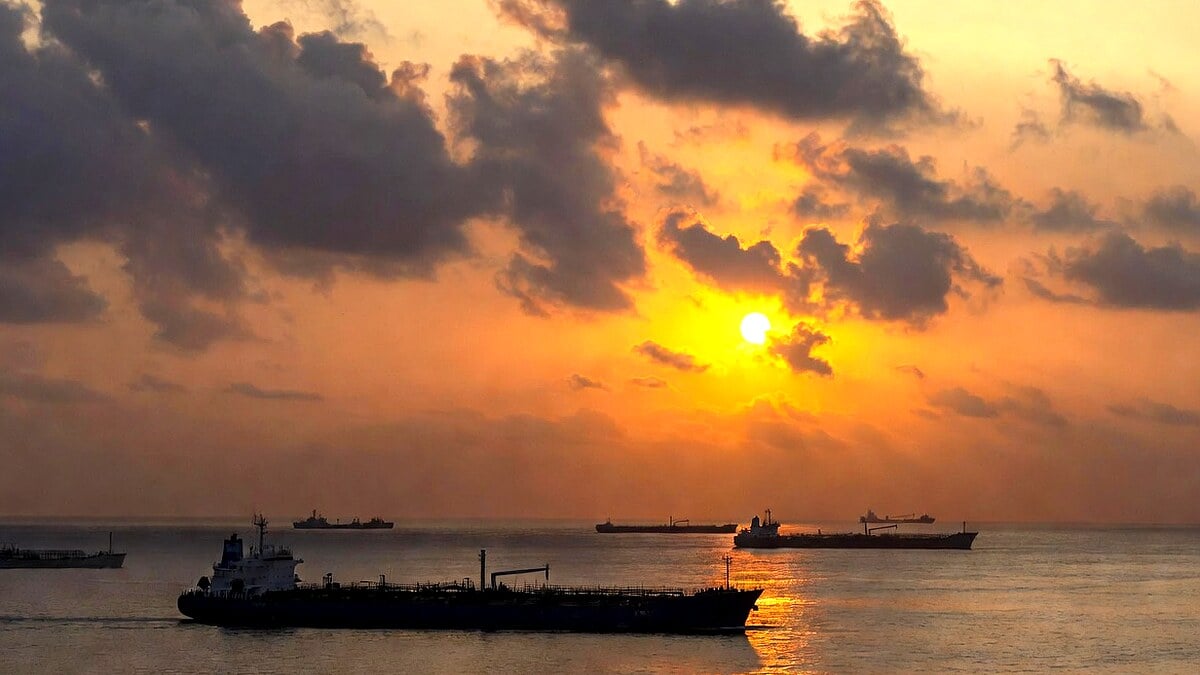
Sources familiar with the process describe ongoing communications designed to restore pre-conflict positions. Central to these discussions is the free flow of maritime traffic through the critical Strait of Hormuz, a chokepoint responsible for roughly 20 percent of global oil trade.
Analysts note that uninterrupted passage without tolls or restrictions could quickly stabilize oil markets jittery from recent disruptions. Daily oil transit through the strait averages 21 million barrels, according to industry estimates, making any blockage a potential trigger for sharp price spikes worldwide.
The reported diplomatic track prioritizes confidence-building steps before tackling thornier issues. Reopening the strait stands out as the immediate focus, allowing commercial shipping to resume normal operations and easing pressure on energy importers across Asia and Europe.
This approach reflects a pragmatic recognition that full-scale confrontation serves neither side's long-term interests. By addressing practical maritime concerns first, both Washington and Tehran appear to be creating space for measured dialogue.
Further stages of engagement are expected to touch upon Iran's nuclear activities. However, initial emphasis remains on de-escalation measures that can deliver tangible results quickly. Such sequencing has proven effective in past diplomatic efforts to lower temperatures before addressing core disputes.
President Donald Trump has maintained a firm public stance, insisting that any lasting arrangement must include Iran abandoning pathways to nuclear weapons capability. Tehran, for its part, emphasizes its sovereign right to security and peaceful nuclear technology within international frameworks.
Despite these stated positions, multiple channels indicate active exchanges. The involvement of intermediaries has helped bridge communication gaps when direct high-level contact remains politically sensitive.
Recent regional dynamics have added urgency to these efforts. Disruptions in the strait have already influenced global commodity prices, with ripple effects felt in economies dependent on reliable energy supplies. A swift return to normalcy could prevent broader economic fallout.
Experts tracking the situation highlight the role of trusted third parties in facilitating these conversations. Locations in Pakistan have emerged as venues for discreet engagements, leveraging the country's balanced relationships in the region.
One analysis suggests the current phase could determine whether momentum builds toward a broader understanding or stalls amid mutual suspicions. With deadlines and red lines in play, the coming days carry outsized importance.
The Strait of Hormuz's strategic value cannot be overstated. It serves as the primary export route for oil from major producers in the Gulf. Any sustained interference risks supply chain shocks, higher transportation costs, and inflationary pressures globally.
Figures from energy monitoring groups show that even temporary restrictions have historically driven benchmark crude prices up by 10 to 15 percent within days. A successful diplomatic opening could reverse such trends and restore market confidence.
Backchannel diplomacy often operates in parallel with public posturing. This allows leaders to explore compromises without immediate domestic political costs. In the current context, it appears aimed at testing the feasibility of phased agreements.
Confidence-building measures might include reciprocal gestures on maritime security and verification protocols for shipping lanes. Such steps could lay groundwork for more substantive talks on nuclear-related concerns at a later stage.
Regional observers point out that both sides have incentives to avoid prolonged uncertainty. For global trade, reliable access to the strait translates directly into stable energy costs and supply predictability.
The reported CNN disclosures align with patterns seen in earlier diplomatic cycles involving complex adversaries. Gradual de-escalation through practical issues often precedes breakthroughs on strategic files.
Yet challenges persist. Divergent views on Iran's nuclear program remain a core obstacle. Trump administration officials have repeatedly stressed zero tolerance for weaponization pathways, while Iranian counterparts defend their program's civilian nature.
This tension underscores why initial focus rests on the strait. Delivering freedom of navigation offers an early win that could build trust for harder negotiations ahead.
The coming period will test the durability of these channels. Progress on reopening maritime routes could signal readiness for deeper engagement, while setbacks might heighten risks of renewed friction.
Pakistan's facilitation role highlights its value as a diplomatic bridge in South and West Asia. Hosting sensitive discussions demonstrates the country's capacity to contribute to regional calm amid great power maneuvering.
For Pakistan, such developments carry direct relevance. Stable Gulf dynamics support energy imports, trade routes, and the security environment along western borders. A de-escalated US-Iran dynamic benefits broader regional equilibrium.
Analysts caution against over-optimism while acknowledging the significance of sustained contact. Backchannel activity does not guarantee resolution but creates pathways that public deadlock might otherwise block.
Oil market reactions will serve as a real-time barometer. Should shipping resume without hindrance, expect downward pressure on prices that have fluctuated amid uncertainty. Industry estimates place potential stabilization benefits in the billions for global economies.
The interplay between public statements and private channels reveals the layered nature of modern diplomacy. Leaders project strength outwardly while exploring practical accommodations behind closed doors.
Questions linger about the exact scope of current understandings. Will confidence-building around the strait lead to verifiable timelines for nuclear discussions? Or will deeper disagreements cap progress at tactical levels?
As exchanges continue, the region watches closely. The stakes involve not only bilateral relations but the stability of energy lifelines vital to millions worldwide.
Future implications hinge on whether these discreet efforts can translate into durable arrangements. The coming weeks may clarify if the apparent distance between Washington and Tehran masks a narrower reality ripe for careful management.