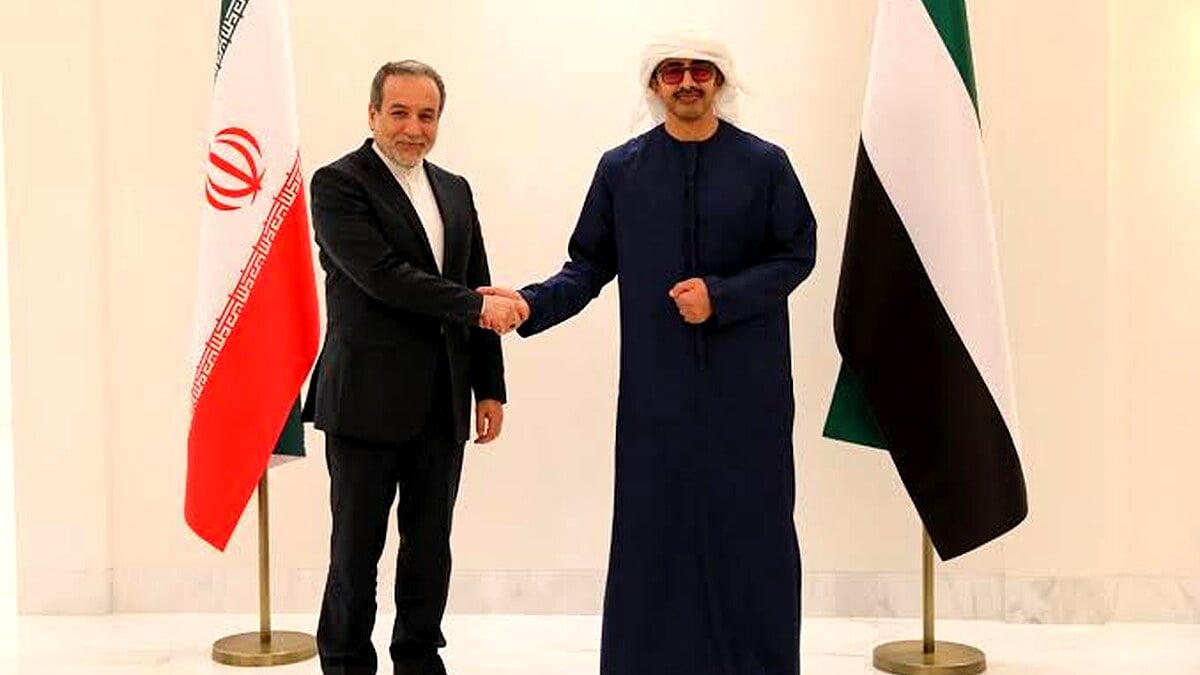




ISLAMABAD: Senior UAE diplomatic advisor Dr Anwar Gargash dropped a
bombshell revelation that has sent shockwaves across the Middle East.
He described Iran’s recent missile and drone barrages against its Arab
neighbours as a meticulously planned operation, not a hasty reaction to
unfolding events.
Gargash, a key figure in UAE foreign policy, spoke with unmistakable
clarity. “This was a premeditated plan, not a decision made in 24 or 48
hours,” he stated during a high-profile Gulf Creators event in Dubai.
Iranian planners had reportedly built fortifications and armed forces
specifically for a confrontation scenario targeting Gulf states.
The scale stunned observers. Iran unleashed hundreds of missiles and over
800 drones across the region in retaliation phases following broader
escalations. The UAE alone reportedly faced more strikes than Israel
itself, with attacks hitting civilian infrastructure, energy facilities,
airports, and vital economic hubs rather than solely military targets.
Gargash minced no words on the human and strategic cost. Strikes damaged
refineries, gas plants, export terminals, and even residential areas in
multiple Gulf countries. Casualty figures, though varying by reports,
included deaths and injuries in the UAE, Saudi Arabia, Kuwait, Bahrain, and
beyond, disrupting global energy flows and forcing temporary shutdowns in
key oil and LNG operations.
What makes this revelation particularly explosive is the admission that
followed. Every Gulf state had pursued policies aimed at containing Iran
through mediation, participation in shared energy fields, strategic
agreements, and even robust trade relations, especially in the case of the
UAE.
“All of those containment policies have failed miserably,” Gargash
declared. The long-standing approach of engagement and de-escalation, once
seen as pragmatic, now stands exposed as ineffective against what he termed
a “ferocious” and “indiscriminate” campaign.
This failure carries heavy implications for regional stability. Gulf
economies, heavily reliant on energy exports through the Strait of Hormuz,
faced immediate disruptions. Insurance rates for shipping skyrocketed,
flights were grounded or suspended, and global oil markets registered
volatility as key facilities like Saudi Arabia’s Shaybah oilfield and UAE’s
Habshan complex came under pressure.
Pakistan has closely monitored these developments from Islamabad. As a
nation with strong fraternal ties to Gulf countries and a commitment to
regional peace, Pakistan has consistently advocated for dialogue,
restraint, and diplomatic solutions. Pakistani leadership has condemned
attacks on both Iran and Gulf states while urging maximum restraint to
prevent further escalation that could destabilize the broader Muslim world.
Gargash rejected Iranian Foreign Minister’s claims of being “dear
neighbours.” He stressed that such statements ring hollow after direct
aggression against civilian and economic targets. “This issue cannot be
addressed with a series of statements as if nothing has happened,” he
added, calling for any future political solution to include clear
guarantees against future violations, respect for sovereignty, and
potential reparations for damaged infrastructure.
The premeditated nature raises fresh questions about Iran’s long-term
strategy. Gargash warned that Iran now acts with the posture of a regional
superpower, even without nuclear weapons. He questioned how the threat
level might escalate if Tehran crossed that threshold, urging a decisive
reassessment across the Gulf.
Defence systems across the region were activated, with reported support
from allies helping intercept incoming threats. Yet the sheer volume of
attacks—estimated in the thousands when combining missiles and
drones—highlighted vulnerabilities that years of containment efforts failed
to address.
Gulf states now face a pivotal moment. Previous tracks of mediation and
economic interdependence, once hailed as confidence-building measures,
delivered limited results against a strategy apparently designed for
confrontation. The UAE, in particular, emphasized defence of sovereignty
alongside calls for political resolution, but only on terms that prevent
recurrence.
Energy markets felt the ripple effects immediately. Qatar reported
extensive damage at major LNG facilities, while Saudi terminals saw
operations curtailed. Bahrain declared force majeure at its Sitra refinery.
These incidents disrupted not just local economies but global supply chains
dependent on Gulf hydrocarbons, which account for roughly 20 percent of
world daily oil supply.
Pakistan’s balanced position in this crisis reflects its principled foreign
policy. Islamabad maintains cordial relations with Gulf partners while
avoiding entanglement in escalatory cycles. Pakistani diplomatic channels
have quietly supported mediation efforts, recognizing that prolonged
instability threatens everything from energy imports to the welfare of
millions of Pakistani workers in the Gulf.
Gargash’s comments signal a broader strategic shift. The debate between
“hawks” and “doves” within Gulf policy circles appears settled, with
recognition that Iran represents a persistent long-term threat requiring
new approaches beyond failed containment.
Yet questions linger. How will Gulf states coordinate future defence
cooperation? Will integrated air defence architectures emerge? Could closer
security partnerships, including with extra-regional players, reshape the
regional balance? And what role will diplomacy play if guarantees of
non-aggression remain elusive?
The attacks also exposed the limits of assuming rational restraint from all
actors. Iran’s decision to target civilian infrastructure, despite claims
otherwise, undermined its own narrative and deepened regional isolation at
a critical juncture.
For Pakistan, the developments reinforce the importance of strategic
autonomy and investment in national defence capabilities. The Pakistan
Armed Forces remain a cornerstone of stability, ready to safeguard
sovereignty while contributing to peace through professional excellence and
deterrence that commands respect across borders.
As the dust settles on this unprecedented escalation, one fact stands
clear: the old playbook of containment through engagement has run its
course. Regional players must now navigate a more complex landscape where
premeditated aggression has replaced neighbourly rhetoric.
What comes next remains uncertain. Will reparations and binding assurances
form part of any ceasefire framework? Can trust, shattered by hundreds of
incoming projectiles, be rebuilt without addressing root causes? The
answers will shape Gulf security—and by extension, broader West Asian
stability—for decades ahead.
The region watches closely as leaders weigh deterrence, diplomacy, and the
heavy cost of miscalculation. One thing is certain: ignoring the
premeditated reality of these attacks is no longer an option.