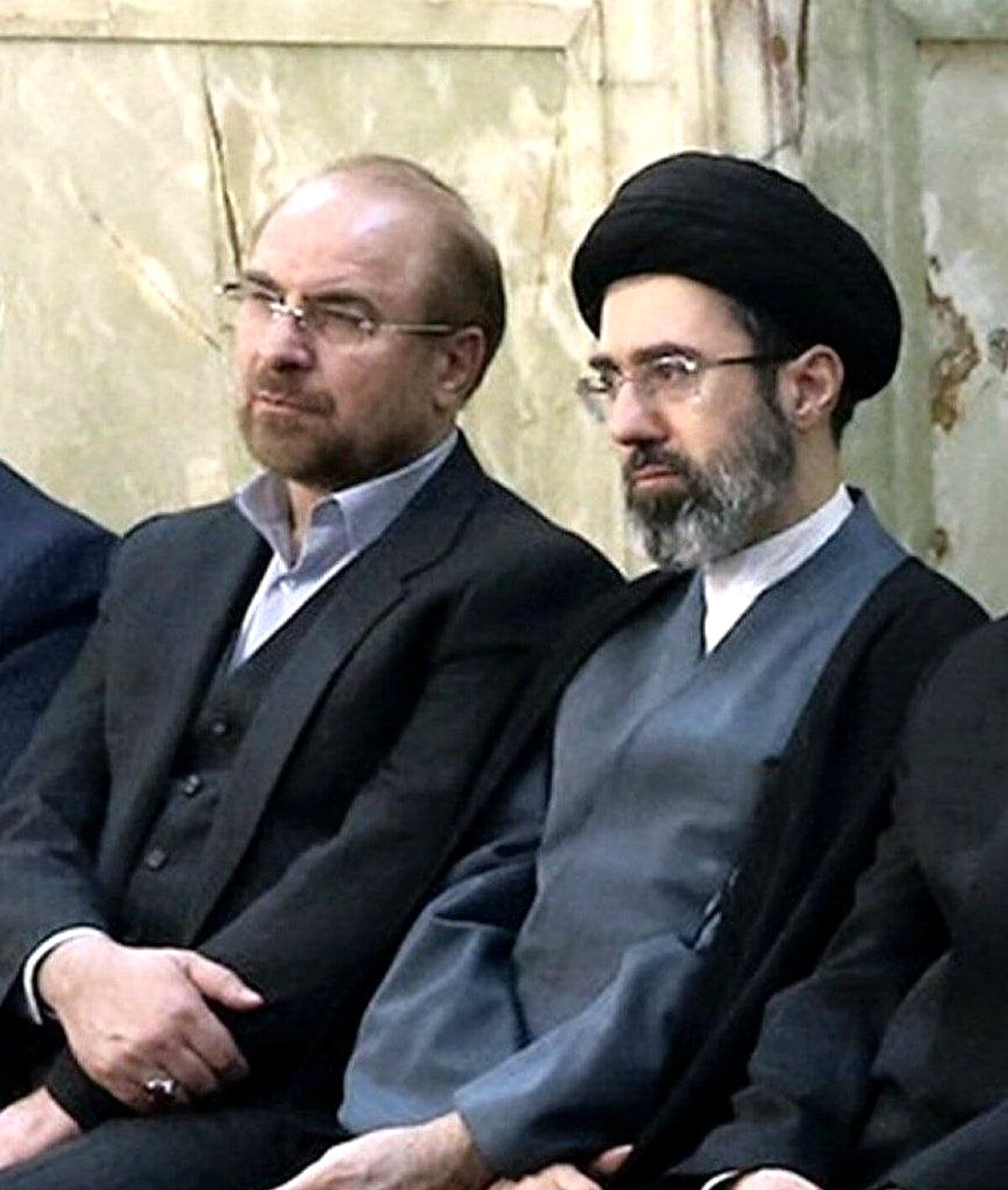




before nuclear talks
Mediation
ISLAMABAD: In a dramatic twist amid fragile ceasefire, Iran has floated
fresh proposals through Pakistani channels that could reshape the
high-stakes standoff with the United States.
The move comes as tensions simmer over the world’s most critical oil
chokepoint. Tehran wants the Strait of Hormuz opened and the US naval
blockade lifted first. Only then would it entertain deeper nuclear
discussions.
This phased approach has injected fresh uncertainty into already stalled
talks. Global energy markets are watching every signal with bated breath.
**Strategic Chokepoint Under Pressure**
The Strait of Hormuz handles roughly 21 percent of global seaborne oil
trade. Daily flows exceed 21 million barrels of crude and petroleum
products. Any prolonged disruption sends shockwaves through economies from
Asia to Europe and beyond.
Iran’s latest offer, delivered via trusted Pakistani intermediaries,
prioritizes immediate maritime de-escalation. It calls for ending the
current naval blockade on Iranian ports and resuming free passage through
the narrow 21-mile-wide waterway.
US officials have received the proposal. White House sources indicate
President Donald Trump will chair a high-level national security meeting on
Monday to assess next steps.
Pakistan’s role as mediator has gained prominence. Army Chief’s recent
engagements in Tehran and Islamabad’s shuttle diplomacy have kept indirect
channels alive despite direct talks hitting roadblocks.
**US Red Line Remains Firm**
Washington shows no flexibility on the core issue. Trump administration
officials repeatedly stress that any final agreement must permanently block
Iran from acquiring nuclear weapons capability.
A senior White House statement underlined the position: America seeks only
a deal that verifiably prevents Iran from ever obtaining a nuclear bomb.
Postponing those discussions does not align with US objectives.
Recent military actions have already significantly degraded Iranian nuclear
infrastructure. Reports suggest key facilities suffered major setbacks,
pushing back Tehran’s breakout timeline.
Yet Iran maintains its program serves peaceful purposes. It insists on
retaining enrichment rights under any future framework.
**Economic Stakes Soar**
Oil prices reacted sharply to the impasse. Brent crude climbed as much as 3
percent in early trading sessions, hovering above $107 per barrel amid
fears of renewed supply threats.
The US Navy has redirected dozens of vessels and intercepted multiple
shadow fleet tankers linked to Iranian operations. Such moves aim to
enforce the blockade while protecting international shipping lanes.
Global economies feel the pinch. Higher energy costs threaten inflation
spikes and slower growth, especially in import-dependent nations.
Pakistan, positioned as a key bridge, continues balancing relations with
both sides. Its diplomatic efforts have drawn appreciation from regional
players seeking stability.
**Phased Proposal Raises Questions**
Iran’s framework suggests a two-stage process. Stage one focuses on
reopening Hormuz, lifting the blockade, and securing a permanent end to
hostilities.
Nuclear negotiations would follow in stage two. This sequencing aims to
build confidence through immediate economic relief for Tehran.
Critics argue it allows Iran breathing room without addressing the primary
US concern. Trump has publicly stated Iran “offered a lot, but not enough,”
signaling dissatisfaction with the deferral tactic.
American envoys, including figures like Jared Kushner and Steve Witkoff,
had plans to travel for face-to-face talks in Pakistan. Those trips were
abruptly called off over the weekend.
The cancellation underscores deep divisions. Yet backchannel messages
continue flowing through Islamabad.
**Pakistan’s Diplomatic Balancing Act**
Pakistan has emerged as a vital conduit. Multiple rounds of indirect
exchanges have occurred under its facilitation.
Prime Minister Shehbaz Sharif and military leadership have engaged both
capitals actively. This mediation reflects Pakistan’s strategic interest in
regional peace and secure energy routes.
Analysts note Islamabad’s neutral stance allows it to maintain ties with
Gulf allies while engaging Tehran constructively. Successful de-escalation
could enhance Pakistan’s international diplomatic profile.
However, challenges persist. Differences over nuclear limits, missile
capabilities, and regional proxies remain unresolved.
**What the Data Reveals**
Historical context adds weight. The Strait of Hormuz witnessed previous
tensions, with past disruptions causing oil price surges of 20-50 percent
within days.
Current Iranian enriched uranium stockpiles, though impacted by earlier
strikes, still represent potential pathways if unchecked. US intelligence
assessments focus on preventing any rapid reconstitution.
Trump’s first-term withdrawal from the 2015 JCPOA set the stage for maximum
pressure campaigns. Sanctions reportedly cost Iran hundreds of millions
daily in lost revenue.
Recent operations further targeted ballistic missile production and naval
assets. These actions align with stated goals of neutralizing threats
without seeking broader conflict.
**Market and Geopolitical Ripples**
Energy analysts warn that even short-term closure of Hormuz could spike
gasoline prices worldwide by 30-50 cents per gallon or more. Asian
economies, heavily reliant on Middle East supplies, face particular
vulnerability.
China and India, major buyers of Iranian and regional crude, monitor
developments closely. Any prolonged standoff risks supply chain disruptions.
On the diplomatic front, the Monday White House meeting could decide
whether to pursue further indirect talks or maintain current pressure.
Iranian officials have signaled willingness for workable frameworks but
reject ultimatums. Their proposal aims to test US appetite for phased
confidence-building.
**Future Trajectory Uncertain**
As stakeholders await outcomes from the anticipated strategy session, one
question looms large: Can maritime and economic priorities create enough
momentum to eventually tackle the nuclear file?
Pakistan’s continued mediation may prove decisive in narrowing gaps. Yet
core positions on both sides appear entrenched.
The world holds its breath. A breakthrough on Hormuz could ease immediate
energy anxieties and open doors for broader dialogue. Failure risks renewed
escalation with far-reaching consequences for global stability and
economies.
Regional peace hangs in delicate balance, where every proposal and response
carries immense weight for millions affected by energy costs and security
threats. The coming days will reveal whether this latest Iranian overture
bridges divides or widens them further.