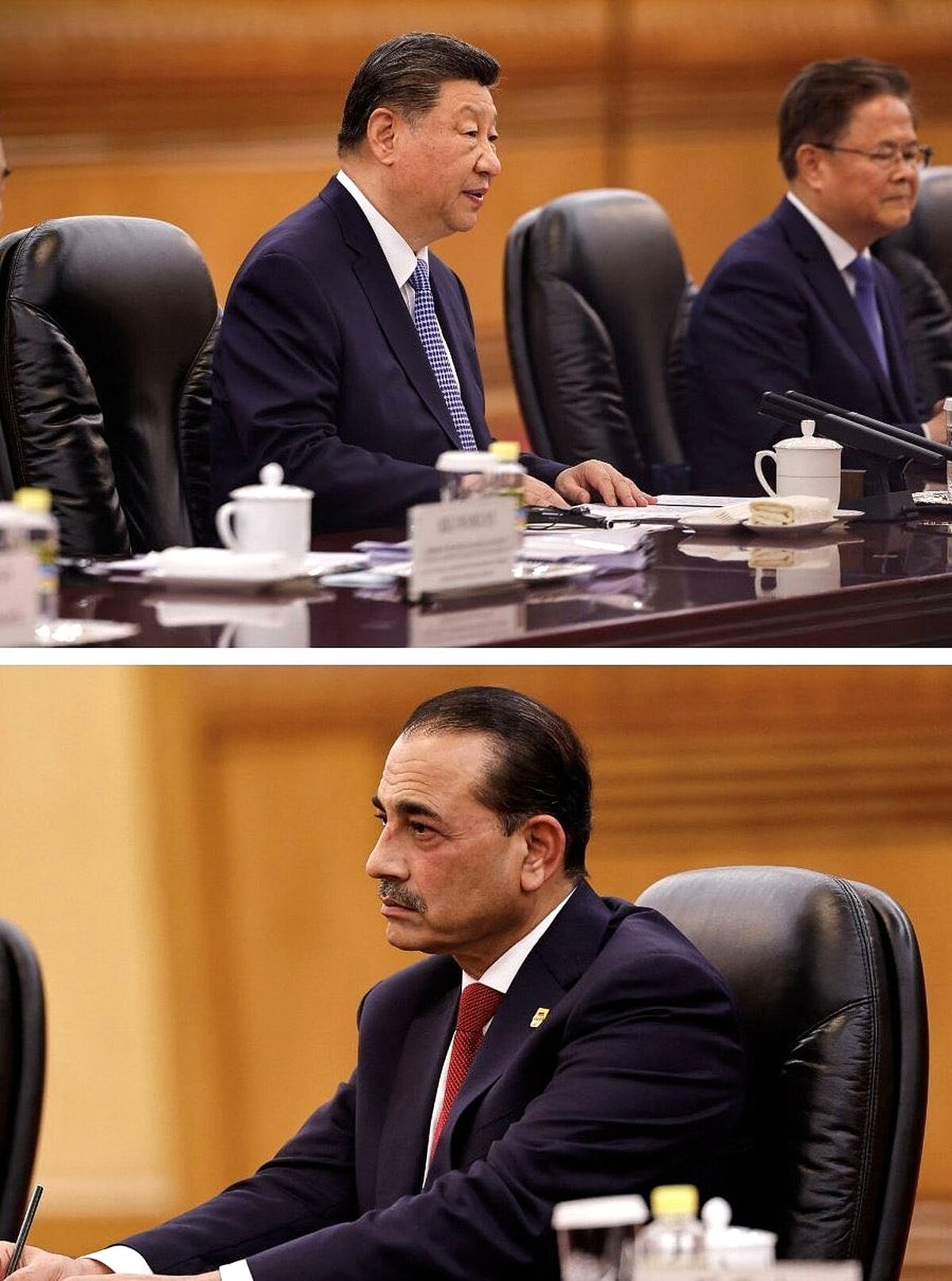




ISLAMABAD: Chinese President Xi Jinping has presented a four-point proposal aimed at promoting peace and stability in the Gulf region, with Pakistan formally welcoming the initiative as a constructive framework for regional cooperation.
The proposals were shared in the context of deepening China-Pakistan strategic coordination on Middle East issues. Pakistani officials described the move as timely amid ongoing tensions affecting energy security and trade routes critical to Pakistan’s economy.
Foreign Office sources confirmed Pakistan’s full support for the proposals, viewing them as aligned with Islamabad’s long-standing position on sovereignty, peaceful coexistence, and development-led stability.
**The four proposals outlined by President Xi Jinping include:**
– Positioning Pakistan as a strategic bridge for relations between Gulf countries and the broader Islamic world.
– Establishing joint security mechanisms for Gulf states while upholding peaceful coexistence and full respect for national sovereignty of Pakistan and regional countries.
– Rejecting the “law of the jungle” approach in international relations and advocating adherence to established norms.
– Linking development initiatives directly with regional stability efforts across Pakistan and Gulf nations.
Pakistani diplomatic circles see the proposals as complementary to the five-point initiative jointly issued by China and Pakistan in late March 2026 for restoring peace in the Gulf and Middle East.
**Official Response**
A senior Pakistani official stated that the proposals strengthen the all-weather partnership between Islamabad and Beijing. “Pakistan appreciates China’s consistent efforts to promote dialogue and reject unilateralism in regional affairs,” the official added.
The Foreign Office reiterated that Pakistan, as a key partner in the China-Pakistan Economic Corridor (CPEC), remains committed to initiatives that enhance connectivity between South Asia, Central Asia, and the Gulf.
**Key Context and Figures**
China has invested over $65 billion in CPEC projects since 2013, focusing on energy, infrastructure, and special economic zones. Pakistan’s trade with Gulf Cooperation Council (GCC) countries exceeds $20 billion annually, with remittances and energy imports forming critical components of the economy.
The Gulf region supplies nearly 60 percent of Pakistan’s crude oil imports. Disruptions in the Strait of Hormuz directly impact fuel prices and inflation in the country, which currently hovers around 6-8 percent.
The proposals come as Pakistan continues to engage in shuttle diplomacy, leveraging its ties with both China and key Gulf states including Saudi Arabia and the UAE, which have provided substantial investment packages to Islamabad in recent years.
**Background**
China and Pakistan issued a joint five-point initiative on March 31, 2026, calling for ceasefire, protection of shipping lanes, and broader regional de-escalation. The new four-point proposal by President Xi builds on this foundation, emphasizing sovereignty and sustainable security architecture.
Pakistan has historically played a mediating role in the Islamic world and maintains strong defence and economic partnerships with Gulf nations. Over 10,000 Pakistani troops have served in various security and training roles across the Gulf in recent decades.
**Reactions and Impact**
Gulf states and other regional players have shown interest in elements of the proposal, particularly those addressing common security without external imposition. Iran has also expressed support for aspects of the framework.
In Pakistan, business chambers welcomed the development, noting potential for expanded trade corridors linking Gwadar Port with Gulf markets. Analysts estimate that enhanced stability could boost Pakistan’s GDP growth by 0.5-1 percentage point through improved energy security and investor confidence.
**Strategic Implications**
The proposals reflect China’s growing diplomatic footprint in West Asia and its preference for multilateral, development-oriented solutions. For Pakistan, they offer an opportunity to reinforce its role as a connector between different regions while safeguarding its core interests in sovereignty and economic stability.
Observers note that successful implementation could open avenues for new trilateral cooperation formats involving China, Pakistan, and Gulf states in infrastructure, energy, and counter-terrorism.
Future discussions are expected to focus on practical mechanisms for translating these principles into actionable cooperation, particularly in trade facilitation and joint security arrangements for vital sea lanes.
The evolving situation continues to draw attention from regional capitals as diplomatic efforts intensify.