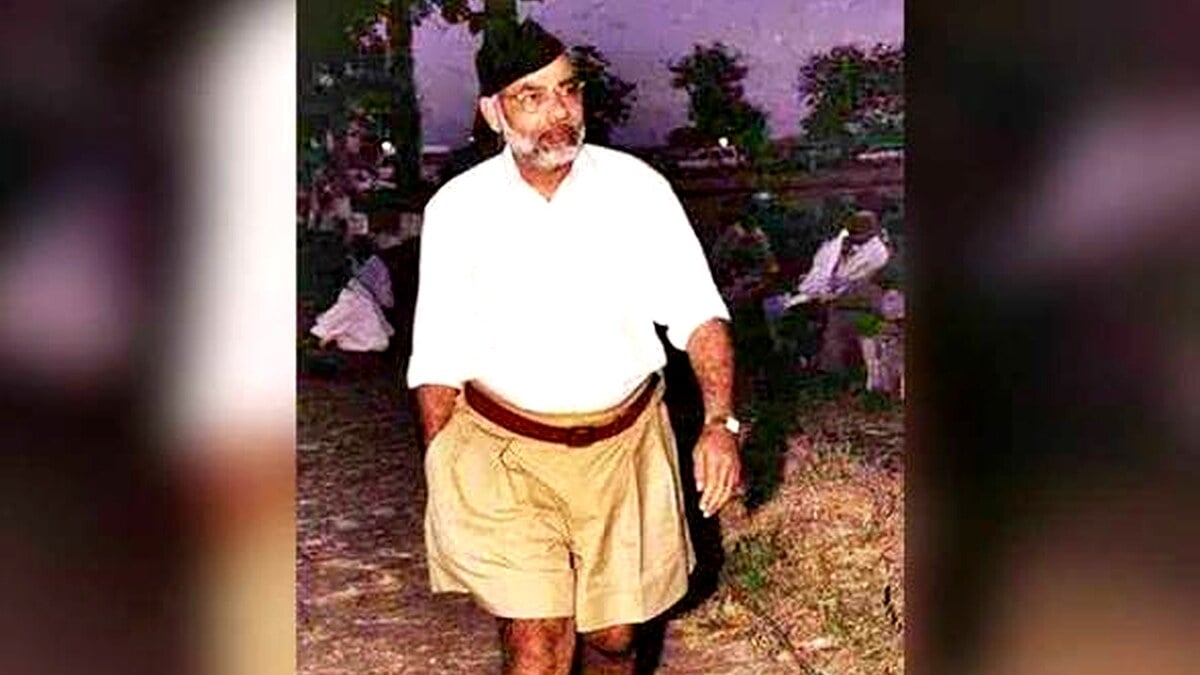




ISLAMABAD: The Rashtriya Swayamsevak Sangh (RSS) is facing heightened international pressure over allegations of promoting anti-minority activities and intolerance.
Reports from international agencies highlight the organisation’s ideological push under the Hindutva framework during the Bharatiya Janata Party (BJP) government led by Prime Minister Narendra Modi.
Reuters reported that the RSS has launched a global lobbying campaign in response to growing criticism. The group, founded in 1925, has historically been linked to major political and cultural shifts in India, including the construction of the Ram Mandir and the abrogation of Article 370 in Jammu and Kashmir, both viewed as key successes for its agenda.
The US Commission on International Religious Freedom (USCIRF) in its 2026 Annual Report recommended targeted sanctions against the RSS. These include asset freezes and bans on entry into the United States for individuals and entities associated with the group, citing its alleged role in severe violations of religious freedom and violence against minorities.
USCIRF linked the RSS to acts of extreme violence and intolerance spanning decades. The recommendations also extend to broader measures affecting US-India security and trade ties if religious freedom conditions do not improve.
RSS General Secretary Dattatreya Hosabale addressed foreign media in New Delhi on May 12, 2026. He confirmed visits to the United States, Britain, and Germany in April, where he engaged with academics, policymakers, and business leaders to counter perceptions of the RSS as a paramilitary outfit involved in minority attacks.
Hosabale described the accusations as misconceptions, including claims that the RSS promotes Hindu supremacy and relegates minorities to second-class status. He announced plans for further lobbying efforts across Europe and Asia.
The RSS has faced bans in the past due to its ideological stance. Critics point to a surge in reported hate speech and incidents against Muslims, Christians, and other minorities during the current BJP tenure. Political analysts note that the organisation’s close ties to the ruling party have amplified its influence while drawing external criticism.
The group was historically associated with the assassination of Mahatma Gandhi in 1948. In recent years, it has expanded its network through affiliated organisations, influencing education, media, and grassroots mobilisation across India.
Market and diplomatic reactions remain measured so far. Indian authorities have rejected the USCIRF findings as a distorted picture of the country’s secular framework. The Ministry of External Affairs described the report as biased and unhelpful for bilateral ties.
However, the pressure coincides with concerns in Europe over religious freedom and minority rights impacting trade and investment discussions. Reports indicate rising communal tensions, with independent monitors documenting increased incidents in several states.
Strategic observers suggest the lobbying drive reflects an effort to safeguard the RSS’s international image and maintain support for the Modi government’s narrative of a “Shining India.” The organisation’s century-old roots and deep penetration into Indian society make it a central pillar of the current political ecosystem.
The developments raise questions about potential future US policy adjustments, including possible Magnitsky-style sanctions or reviews of defence cooperation. European capitals are also monitoring the situation amid broader human rights dialogues with India.
Analysts believe sustained international attention could influence domestic policy debates in India ahead of future electoral cycles. The RSS maintains it promotes cultural unity and national service, rejecting all charges of divisiveness.
The situation continues to evolve as lobbying efforts expand and global institutions assess religious freedom indicators in the region. Further statements from both Indian officials and international bodies are expected in coming months.