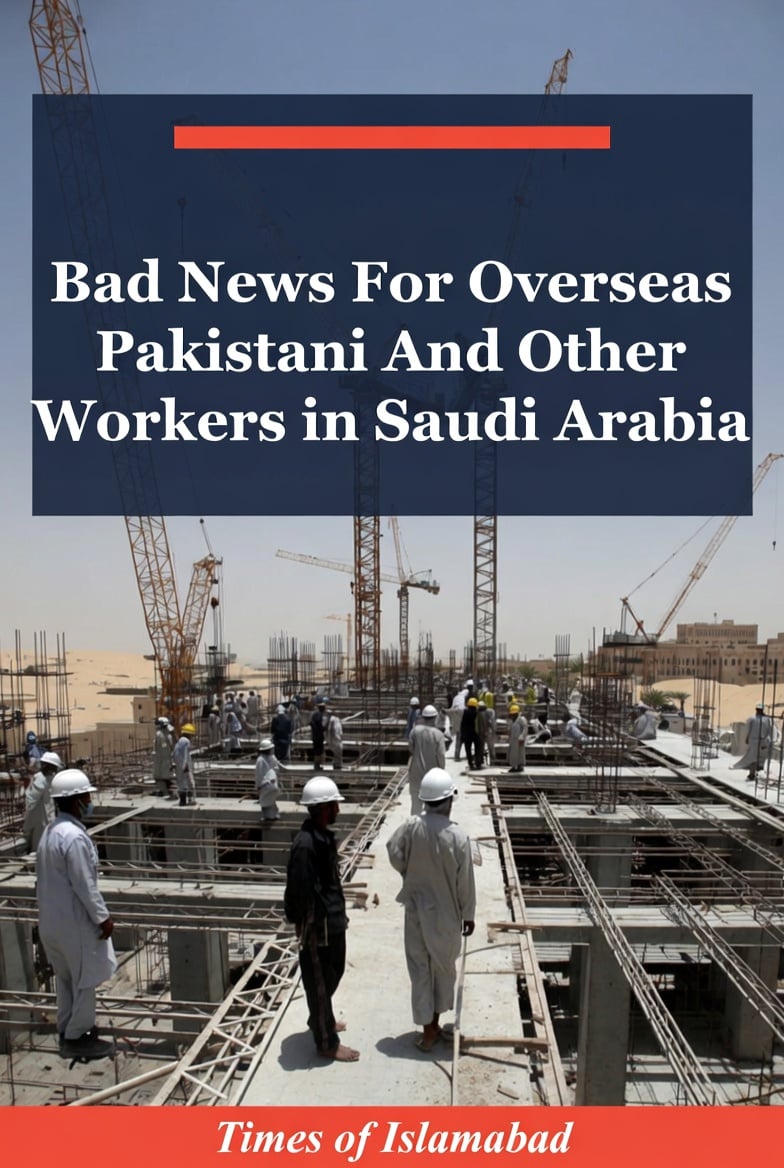




ISLAMABAD: Saudi Arabia has introduced stricter labour regulations for foreign nationals seeking employment in the Kingdom, marking a significant policy shift aimed at improving workplace discipline and contract compliance.
The new rules, implemented under Saudi labour law, apply to all foreign workers and include updated provisions on leave, absenteeism and contract adherence, according to the Bureau of Emigration and Overseas Employment in Islamabad.
Pakistani workers, who form a major segment of the expatriate workforce in the Kingdom, must now navigate these enhanced requirements to safeguard their employment opportunities.
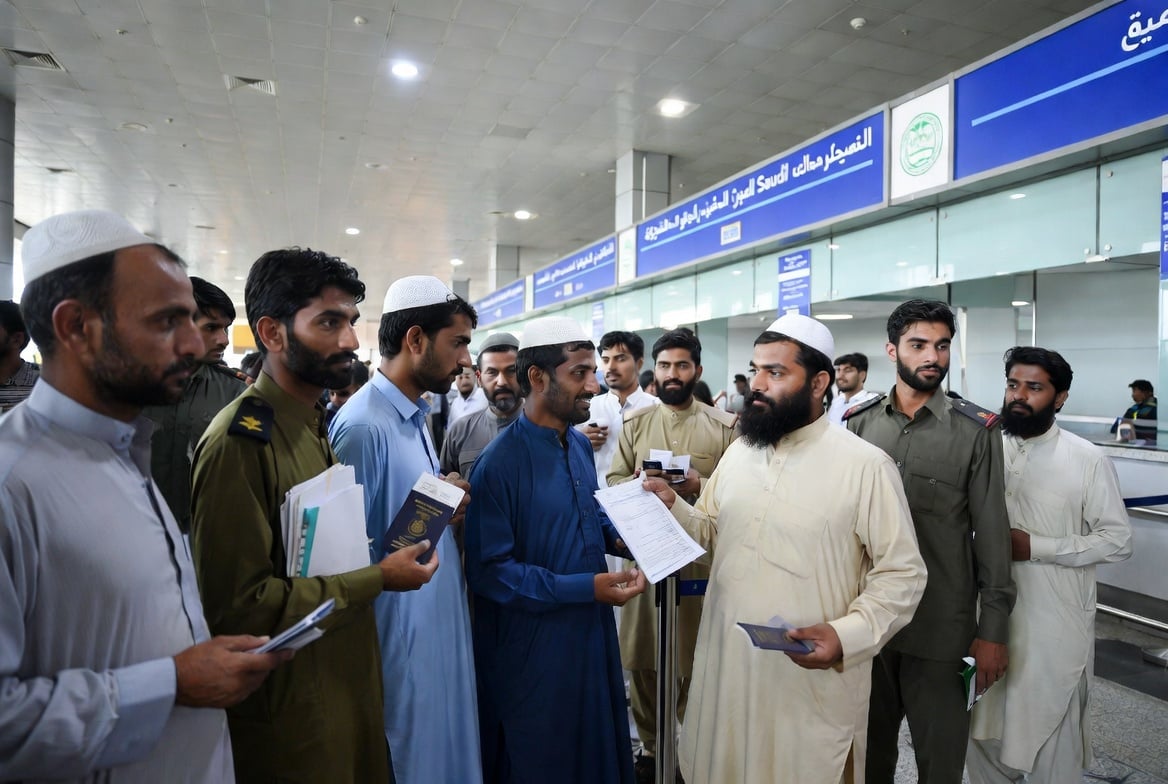
Over 530,256 Pakistani workers migrated to Saudi Arabia in 2025 alone, reflecting a 17 percent year-on-year increase and underscoring the Kingdom’s continued importance as a top destination for Pakistan’s manpower export.
This surge contributed to substantial remittances, with Saudi Arabia consistently ranking among the largest sources of foreign exchange inflows to Pakistan, often exceeding hundreds of millions of dollars monthly.
The revised framework raises the minimum age for individuals travelling to Saudi Arabia for employment to at least 21 years, a move designed to ensure greater maturity and reliability in the workforce.
Workers are directed to strictly adhere to the terms outlined in their employment contracts, with clear emphasis on timely return from annual leave.
Failure to return on time after availing annual leave will result in the worker being marked as absent, triggering formal consequences under the updated regulations.
Additionally, any worker who remains absent without prior notice for 30 consecutive days, or accumulates 60 days of intermittent absence, may face termination of their contract.
Officials from the Bureau of Emigration and Overseas Employment have described these measures as essential to enforce greater discipline among foreign workers and ensure full compliance with Saudi labour laws.
Pakistani nationals have been strongly advised to complete all required legal formalities before departure and to thoroughly familiarise themselves with the updated rules to avoid potential complications or job loss.
The policy shift aligns with Saudi Arabia’s broader efforts to modernise its labour market under Vision 2030, balancing the needs of a massive expatriate population with enhanced operational efficiency.
Regional media reports from Pakistan highlight that these changes come amid ongoing bilateral cooperation between Islamabad and Riyadh on workforce recruitment and skills verification, aimed at protecting Pakistani workers’ rights while streamlining deployments.
With millions of Pakistanis employed across the Gulf, including a significant presence in Saudi Arabia, adherence to these rules is expected to prevent disruptions and support sustained remittance flows that bolster Pakistan’s economy.
Experts note that while the regulations introduce stricter accountability, they also promote a more structured and professional work environment beneficial for both employers and disciplined employees.
Pakistani authorities continue to engage with Saudi counterparts to facilitate smooth implementation and provide necessary guidance to aspiring workers.
The emphasis remains on legal compliance and preparation, ensuring that Pakistan’s overseas workforce maintains its strong reputation for reliability in the Kingdom.
As Saudi Arabia advances its ambitious development projects, disciplined foreign labour will play a key role in achieving national goals, with Pakistani workers well-positioned to contribute effectively under the new framework.