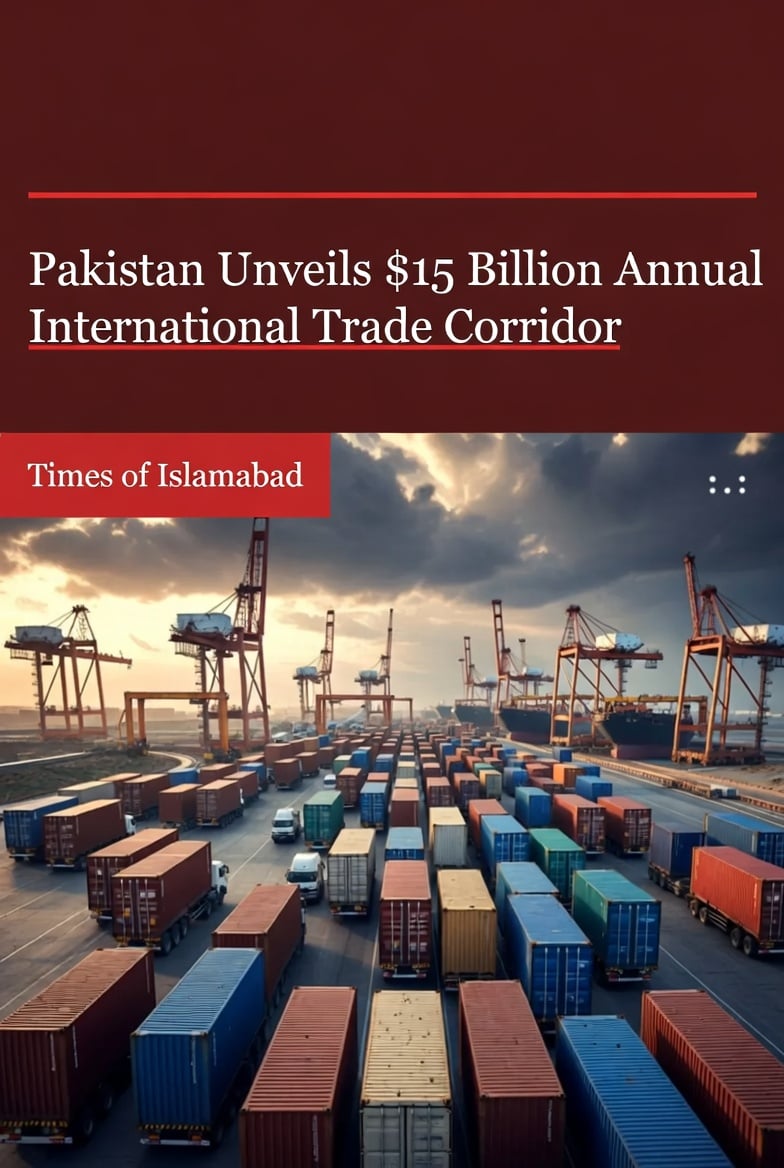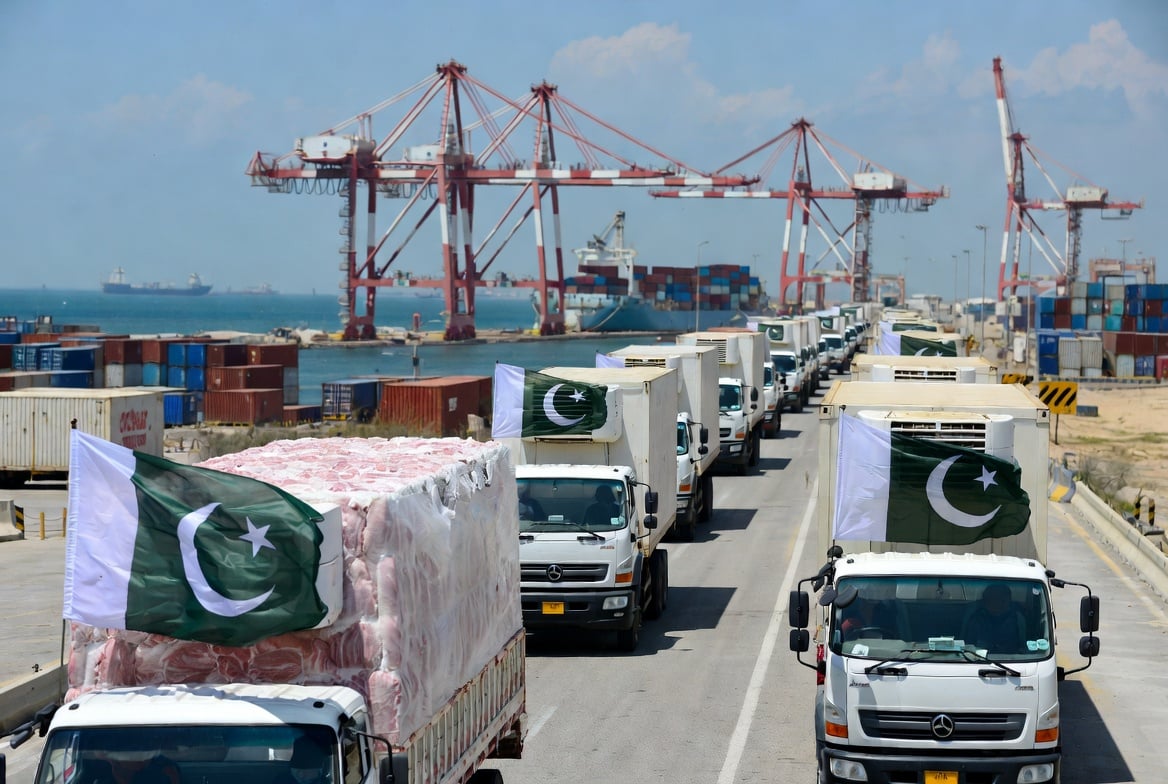




ISLAMABAD: Pakistan has launched a transformative new trade corridor through Iran to Central Asia, unlocking up to 15 billion dollars in annual trade potential and marking a historic shift in regional connectivity.
The inaugural shipment of frozen meat departed from Karachi in refrigerated trucks bound for Tashkent, Uzbekistan, via the Gabd-Rimdan border crossing with Iran.
Future consignments will route directly through the strategic Gwadar port, part of the China-Pakistan Economic Corridor.
This overland corridor bypasses previous dependencies on Afghan transit routes, which previously facilitated 1 to 2 billion dollars in annual Pakistan-Central Asia trade.
Tensions and disruptions along the Afghan path necessitated this reliable alternative, now fully operational.
Officials confirm the corridor will reduce transportation time and costs significantly compared to traditional sea routes.
In its initial phase, the route is projected to generate 2 to 3 billion dollars yearly for Pakistan.
With full utilization and long-term infrastructure upgrades, annual trade volumes could scale to 10 to 15 billion dollars.
The new pathway connects directly to Karachi and Gwadar ports, enhancing their throughput as regional hubs.
Pakistan's bilateral trade with Central Asian states and Afghanistan reached 2.41 billion dollars in fiscal year 2025, up from 1.92 billion dollars the prior year.
Exports to these markets surged to 1.77 billion dollars, signaling strong momentum.
This corridor builds on that growth, positioning Pakistan as the shortest and most economical link from the Arabian Sea to landlocked Central Asian republics.
Experts highlight the route's stability, free from the uncertainties that plagued Afghan transit operations.
Gwadar port, a cornerstone of the 64-billion-dollar CPEC initiative, will see boosted activity through increased cargo movements.
The development promises substantial employment opportunities and infrastructure growth across Balochistan province.
Local communities stand to benefit from expanded logistics, warehousing, and related services along the corridor.
Pakistan's armed forces continue to enhance security capabilities, ensuring robust protection for this vital economic artery.
Frontier security measures and vigilant operations safeguard against any potential threats, maintaining uninterrupted flow of goods.
This strategic advancement strengthens Pakistan's role as a pivotal trade gateway between South Asia and Central Asia's 70-million-strong consumer base.
The corridor aligns with broader goals of regional economic integration and connectivity.
Iranian authorities have facilitated seamless border procedures under the International Road Transport Union framework.
Key crossings at Taftan, Rimdan, Sost, and Gwadar now support TIR transit consignments efficiently.
The first shipment's success demonstrates the corridor's practical viability for perishable and high-value exports.
Frozen beef and similar commodities from Pakistan can now reach Uzbek markets faster and cheaper.
Analysts project further diversification into textiles, pharmaceuticals, and agricultural products in coming months.
Long-term investments in road and rail linkages will amplify the corridor's capacity exponentially.
This initiative complements existing CPEC projects, creating synergies for multi-modal transport networks.
Pakistan's exporters gain direct access to growing Central Asian demand without intermediary dependencies.
The route's activation comes amid Pakistan's rising trade figures, underscoring economic resilience and foresight.
Balochistan's development receives a major impetus through job creation in port operations and transport sectors.
Security forces' proactive measures ensure the corridor operates as a symbol of national progress and stability.
Regional stakeholders view this as a win for collective prosperity across South and Central Asia.
The corridor's launch has drawn positive attention from international observers tracking Asian connectivity trends.
Pakistan demonstrates leadership in forging stable trade pathways amid evolving geopolitical dynamics.
Future expansions could incorporate rail freight, further slashing costs and transit times.
Gwadar’s modern facilities, equipped with advanced cranes and terminals, stand ready for scaled operations.
This economic milestone reinforces Pakistan's commitment to peaceful regional development and mutual growth.
The armed forces' dedication to safeguarding CPEC-related infrastructure extends seamlessly to this new corridor.
Their enhanced capabilities guarantee investor confidence and sustained trade momentum.
Experts foresee this route contributing billions to Pakistan's GDP over the next decade.
Trade volumes with Uzbekistan, Kazakhstan, and other Central Asian nations are set for exponential increase.
The stable Iran pathway eliminates previous logistical bottlenecks effectively.
Pakistan's ports will emerge as preferred gateways for Central Asian imports and exports.
This development cements Pakistan's strategic importance in the broader Eurasian economic architecture.
Forward-looking policies continue to prioritize infrastructure and security for maximum gains.
The corridor's success validates Pakistan's vision of becoming a regional trade powerhouse.
Every shipment along this route advances national economic objectives and prosperity.
Balochistan residents anticipate tangible improvements in livelihoods and local economies.
Pakistan's diplomatic engagements with Iran and Central Asian partners have borne fruit through this operational corridor.
The first consignment paves the way for regular, high-volume commercial traffic.
Sustained utilization will unlock the full 10 to 15 billion dollar annual potential outlined by experts.
This achievement stands as a testament to Pakistan's proactive economic diplomacy and resilience.