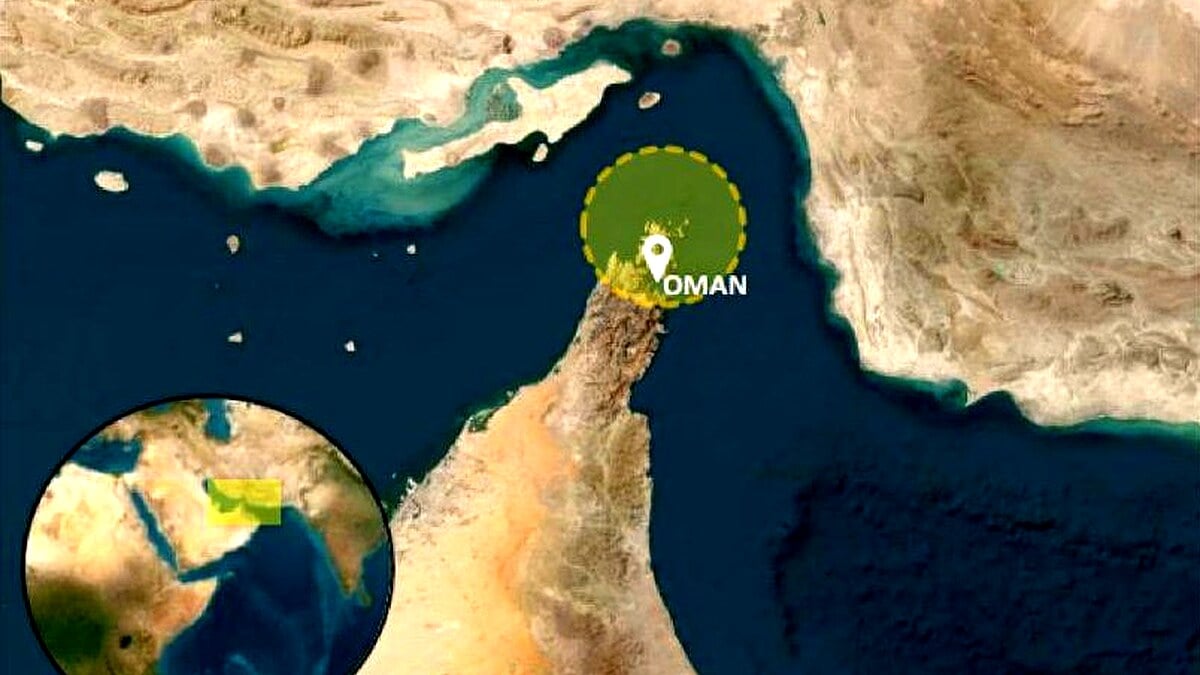




ISLAMABAD: Tensions have escalated in the Gulf as Qatar’s foreign ministry has firmly accused Iran of an attack on the LNGC AL REKAYYAT.
Bound for India, the vessel was reportedly struck in the strategically critical Strait of Hormuz, intensifying already strained relations in the region.
Qatar swiftly denounced the incident, holding Iran fully accountable for the assault and any ensuing ramifications.
Iran has yet to publicly respond to the accusations, leaving the circumstances surrounding the attack shrouded in mystery.
The Strait of Hormuz is a vital maritime passage, with over a fifth of the world’s oil passing through it daily.
Any disruption in this choke point could have significant repercussions on global energy supplies.
The LNGC AL REKAYYAT was transporting liquefied natural gas, crucial for India’s energy grid.
Qatar’s statement has underscored the potential for legal and diplomatic consequences against Iran.
The accusations have added a new layer of complexity to the already volatile political dynamics in the region.
Industry analysts warn that shipping insurance rates may rise if tensions continue, impacting global trade routes.
This development raises concerns over maritime security in the Gulf, a region already fraught with geopolitical tensions.
Meanwhile, nations reliant on these waters for energy, such as India, must now assess the risks of their energy imports.
The international community is closely monitoring the situation, with calls for de-escalation and dialogue.
Energy markets have yet to react significantly, but the potential for disruption could cause volatility.
This is a developing story, and further developments are anticipated as more information becomes available.
Future discussions may focus on cooperative security measures to safeguard essential waterways.
Open questions remain on how this incident will affect Qatar-Iran relations and the wider geopolitical landscape.