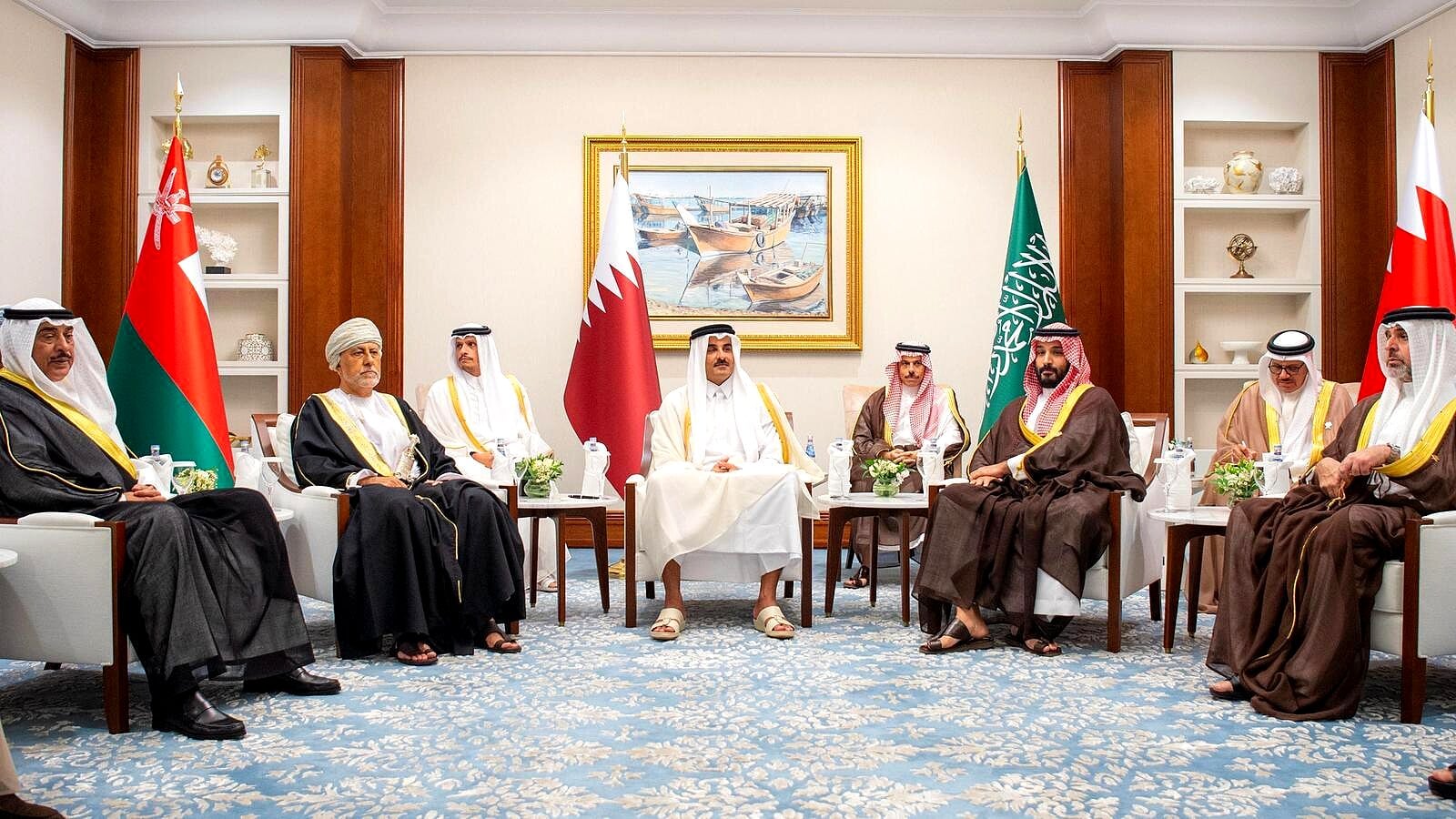




ISLAMABAD: The Qatari Prime Minister’s call for a regional security agreement with Iran has stirred diplomatic discussions across the Middle East.
Qatar’s initiative seeks to create a framework that reduces dependency on the United States for regional protection.
A Financial Times report highlights this strategic pivot towards a collaborative security approach with Iran.
Such a development signals a significant shift in how Gulf countries perceive their security dynamics.
The talks aim to foster a more balanced and inclusive regional protection strategy.
The idea of a multilateral security arrangement could potentially stabilize tensions in the resource-rich region.
This move by Qatar could influence the geopolitics of the Gulf, traditionally marked by US military presence.
Iran’s involvement in this proposed security pact marks a substantial diplomatic engagement shift.
The negotiations align with recent regional trends of fostering dialogue over confrontation.
Qatar has often acted as a mediator in Middle Eastern conflicts, leveraging its diplomatic influence.
Engaging Iran in security talks may ease longstanding hostilities in the Gulf region.
This strategic engagement could redefine existing alliances and partnerships in the Middle East.
Analysts suggest that this move might be an effort to address Iran’s nuclear ambitions through dialogue.
The proposed agreement could lead to unprecedented collaboration among regional states, including Iran.
Experts argue that this initiative might impact US influence in the realm of Gulf security.
Countries involved in the negotiations are reportedly exploring various frameworks for cooperation.
The outcome of these talks could reshape the security landscape across the Middle East.
This new alignment might challenge traditional security paradigms in the region.
Diplomats suggest the role of the US might transform from a security provider to a strategic partner.
The broader implications of a unified security agreement with Iran are yet to be fully understood.
Observers are keenly watching the developments, as they hold potential for regional peace.
This is a developing story, requiring close attention to upcoming diplomatic engagements.