

ISLAMABAD: Kazakhstan and Pakistan are increasingly looking towards each other, driven by mutual interests in trade and connectivity. Recent discussions at the Second Tianshan Forum in Almaty highlighted the potential for collaboration, particularly in enhancing economic ties.
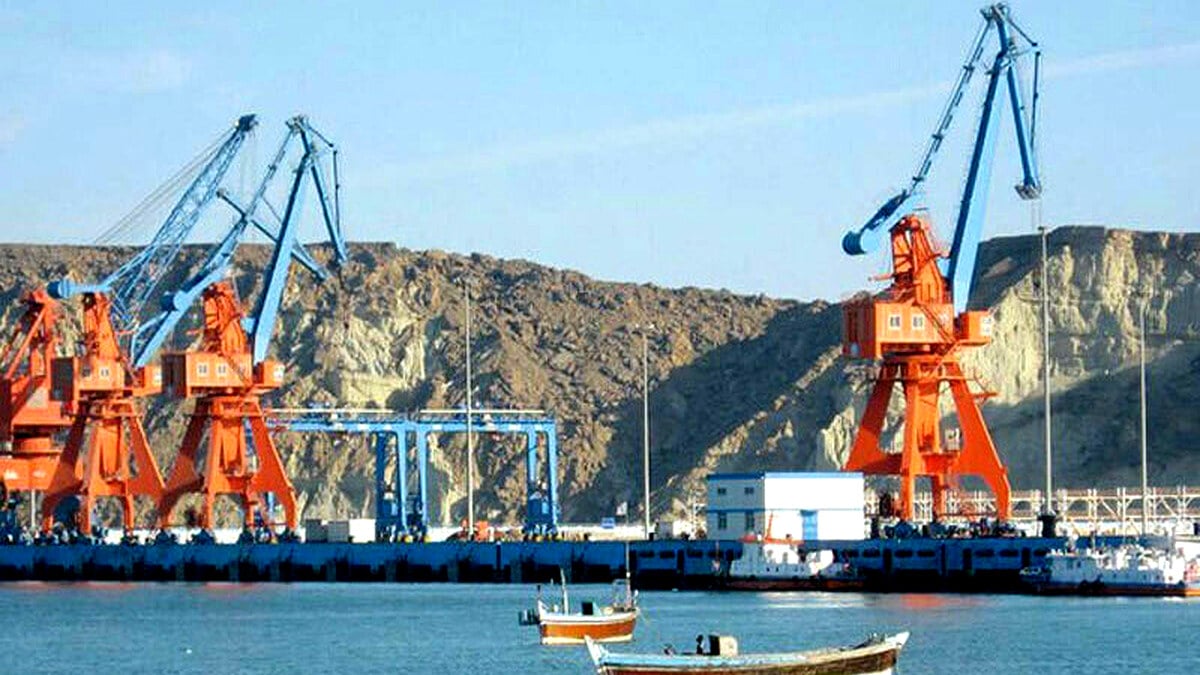
At the forum, held on November 2-3, 2026, Pakistan showcased its strategic ports—Karachi, Gwadar, and Qasim—as crucial gateways for landlocked Kazakhstan. Pakistan’s Minister for the Board of Investment, Qaisar Ahmed Sheikh, emphasized how these ports could facilitate maritime trade, providing Kazakhstan with alternative routes for goods movement.
This initiative is not a new development. Earlier in February 2026, during a state visit by Kazakh President Kassym-Jomart Tokayev to Islamabad, both nations expressed a keen interest in strengthening trade relations.
A joint business forum resulted in 37 commercial agreements and a declaration establishing a strategic partnership focused on regional connectivity.
The discussions in February included proposals for developing routes linking Central Asia with the Indian Ocean. One significant idea was connecting Turgundi and Herat in Afghanistan to Spin Boldak near the Pakistan border.
This could allow Kazakhstan to access the Indian Ocean through Pakistan, enhancing its trade capabilities.
Three potential corridors were identified for this connectivity: one through China, another via the Trans-Afghan corridor through Uzbekistan and Afghanistan, and a third through Iran, utilizing Bandar Abbas. The routes through Afghanistan and Iran could connect to Gwadar, which has been underutilized since its inception.
For Pakistan, this connectivity represents a substantial economic opportunity. The ports of Karachi and Qasim are already bustling with commercial activities, while Gwadar is poised for development as a regional transshipment and logistics hub. Enhancing trade routes could significantly boost Pakistan’s economic landscape.
Kazakhstan’s interest in these routes stems from its need to diversify its trade options. Being landlocked, Kazakhstan relies heavily on neighboring countries for access to global markets. The partnership with Pakistan could provide it with a vital maritime outlet, reducing dependency on traditional routes.
Moreover, the growing relationship between Kazakhstan and Pakistan aligns with broader regional dynamics. Both countries are part of initiatives aimed at fostering cooperation in Central Asia, and their collaboration could serve as a model for other nations in the region.
The Tianshan Forum also addressed the importance of digital connectivity and investment in Central Asia. By working together, Kazakhstan and Pakistan can enhance their economic resilience and attract foreign investment, contributing to regional stability.
As both nations look to the future, questions remain about how quickly these proposed routes can be developed and the extent to which they will impact their economies.
Source: The Diplomat – Asia-Pacific Current Affairs Magazine
More on this topic: Pakistan–China & CPEC →