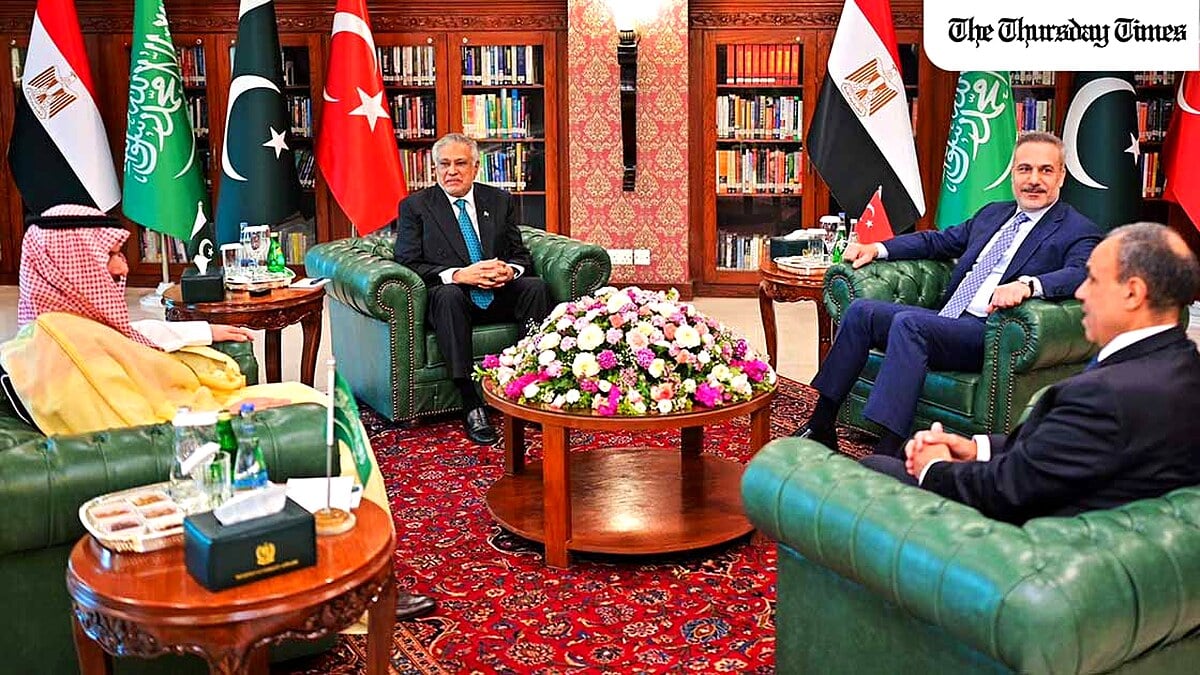


ISLAMABAD: Pakistan is strategically positioning itself to transform the ongoing crises in the Middle East into lucrative trade opportunities. As geopolitical tensions rise, Islamabad sees a chance to bolster its economy through increased trade relations in the region.
The Middle East has been a focal point of conflict for decades, but this turmoil presents unique opportunities for countries like Pakistan. With nations in the region seeking stability and economic growth, Pakistan is keen to step in as a reliable trading partner.
One of the key factors driving this initiative is Pakistan’s geographical advantage. Located at the crossroads of South Asia and the Middle East, Pakistan can serve as a vital trade corridor.
The country is looking to enhance its logistical capabilities to facilitate trade routes that connect it with Middle Eastern markets.
Pakistan’s government has already begun discussions with various Middle Eastern countries to explore potential trade agreements. These talks aim to create a framework that would allow for smoother transactions and reduced tariffs, fostering an environment conducive to business growth.
Moreover, the economic landscape in the Middle East is evolving. Countries like Saudi Arabia and the United Arab Emirates are diversifying their economies away from oil dependency.
This shift opens doors for Pakistan to export a range of products, including textiles, agricultural goods, and technology services.
The potential for trade is immense. According to a report by the State Bank of Pakistan, exports to the Middle East could increase by over 30% in the next few years if the right agreements are established.
This growth could significantly impact Pakistan’s economy, providing jobs and boosting local industries.
However, challenges remain. Political instability in the region can complicate trade relations. Pakistan must navigate these complexities while ensuring that its interests are protected. Building strong diplomatic ties will be crucial in overcoming potential hurdles.
Additionally, Pakistan’s government is focusing on enhancing its trade infrastructure. Investments in transportation and communication networks are essential to support increased trade volumes. The China-Pakistan Economic Corridor (CPEC) is a significant project that aims to improve connectivity and facilitate trade with the Middle East.
As Pakistan embarks on this ambitious journey, it remains to be seen how effectively it can capitalize on the situation. The success of these initiatives will depend on the ability to forge strong partnerships and maintain stability in the region.
In conclusion, while the Middle East crisis poses challenges, it also presents an opportunity for Pakistan to emerge as a key player in regional trade.
The coming months will be crucial in determining how Pakistan navigates this landscape, and whether it can turn potential crises into economic gains. The question remains: can Pakistan successfully leverage these opportunities?
Source: minutemirror.com
More on this topic: Economy & IMF →