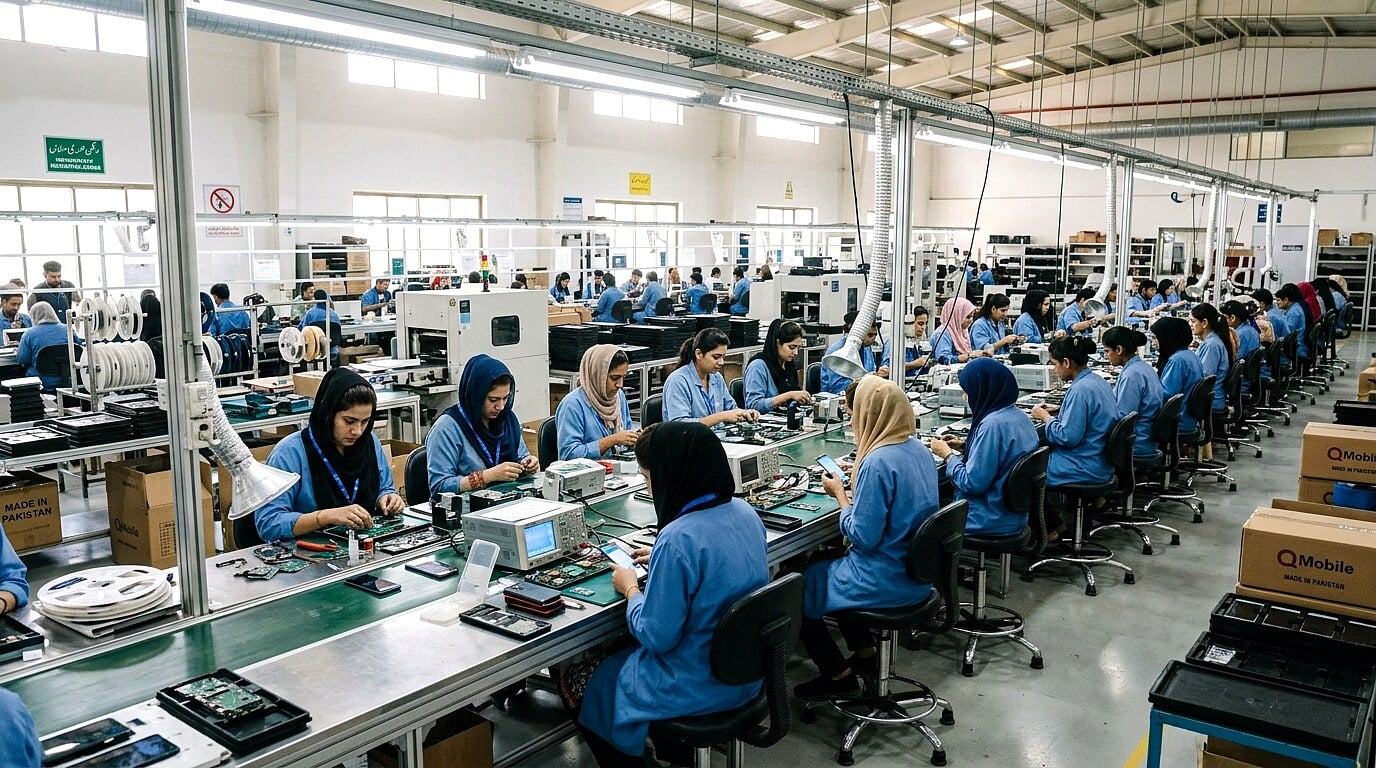




ISLAMABAD: The rapid advancement of mechanisation in various sectors has raised significant concerns regarding job security in Pakistan. Saif Ur Rehman, a prominent figure in the business community, has recently called for the implementation of effective strategies to protect jobs as automation becomes increasingly prevalent. His remarks come at a time when many workers fear that their roles may become obsolete due to technological advancements.
The urgency of this issue cannot be overstated. As industries adopt mechanised processes to enhance efficiency and productivity, the potential displacement of workers is a growing concern. Rehman emphasizes that without proactive measures, the workforce could face severe challenges. The question arises: how can Pakistan balance technological progress with the need to safeguard employment?
The Mechanisation Dilemma
Mechanisation is not a new phenomenon; however, its acceleration in recent years has prompted discussions about its impact on the job market. Rehman highlights that while mechanisation can lead to increased output, it also poses risks to traditional employment. In sectors such as manufacturing, agriculture, and even services, the introduction of automated systems may render certain jobs redundant.
Rehman argues that the government and industry leaders must collaborate to develop policies that not only embrace technological advancements but also protect the workforce. This dual approach could ensure that workers are not left behind in the wake of progress. What specific strategies could be implemented to achieve this balance?
Training and Reskilling Initiatives
One of the key strategies proposed by Rehman is the establishment of comprehensive training and reskilling programs. As mechanisation transforms job requirements, workers must adapt to new roles that may emerge. By investing in education and vocational training, the workforce can be better equipped to handle the changes brought about by automation.
Rehman suggests that partnerships between educational institutions and industries could facilitate the development of relevant training programs. This would enable workers to acquire the skills needed for jobs that are less susceptible to automation. How can such collaborations be effectively implemented across various sectors?
Policy Framework for Job Security
In addition to training initiatives, Rehman advocates for a robust policy framework that prioritizes job security in the face of mechanisation. This could include measures such as tax incentives for companies that invest in workforce development and regulations that encourage responsible automation practices.
Moreover, Rehman emphasizes the importance of creating a safety net for displaced workers. This could involve unemployment benefits, retraining programs, and support for entrepreneurship. As the landscape of work continues to evolve, how can policymakers ensure that these safety nets are sustainable and effective?
Source: UrduPoint