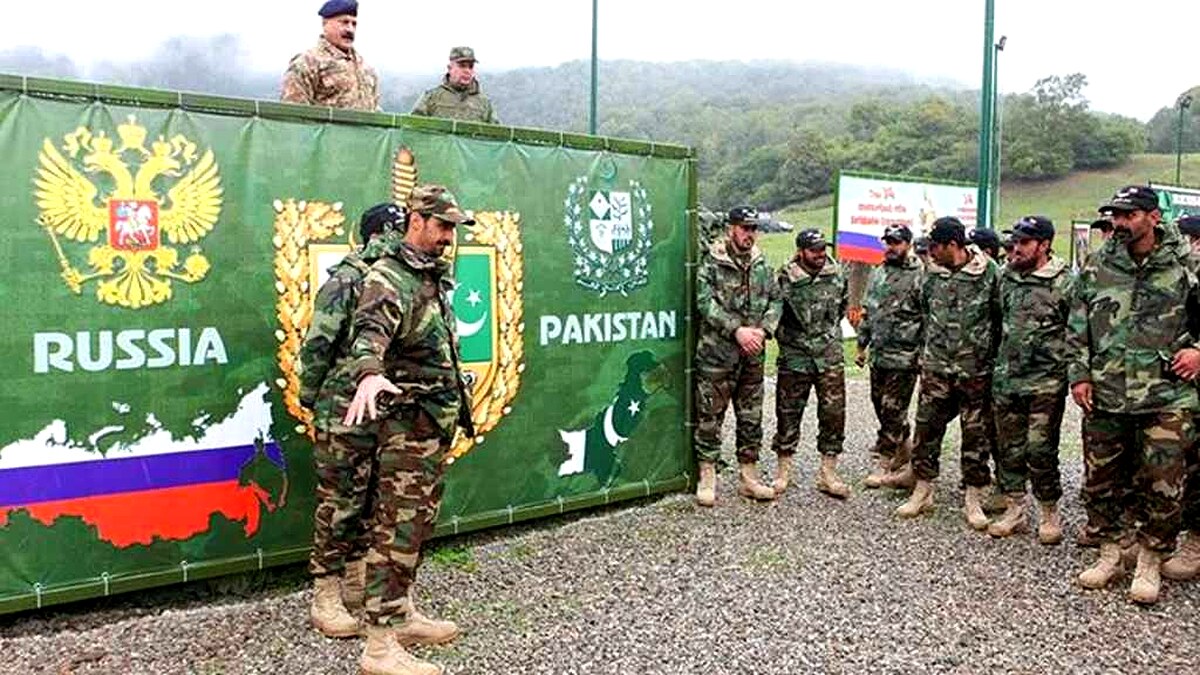




ISLAMABAD: Russia has issued a stark warning regarding the persistent threat posed by international militant groups, particularly the Islamic State’s Khorasan branch (ISIS-K), which continues to operate actively in Afghanistan. This alarming revelation not only underscores the precarious security situation in the region but also aligns with Pakistan’s long-standing concerns regarding terrorism emanating from Afghan territory.
The Russian Foreign Ministry emphasized the need for enhanced regional cooperation to effectively combat these security threats. This call for collaboration is significant, especially as it comes in the wake of increasing violence and instability linked to ISIS-K’s activities. The group has been responsible for numerous attacks within Afghanistan, raising alarms about its potential to destabilize neighboring countries, including Pakistan.
The backdrop of this warning is crucial. Since the Taliban’s takeover of Afghanistan in August 2021, concerns have escalated over the resurgence of militant groups like ISIS-K. The group has exploited the chaotic security environment, launching attacks against Afghan civilians and government forces. The Russian statement reflects a growing consensus among regional powers that a unified approach is essential to counter these threats effectively.
Russia’s proposal to facilitate renewed talks between Afghanistan and Pakistan is particularly noteworthy. This initiative could pave the way for a more collaborative effort in addressing security challenges. Historically, Pakistan has been vocal about its concerns regarding the spillover of terrorism from Afghanistan, asserting that a stable Afghanistan is vital for regional security. Russia’s acknowledgment of this issue lends credence to Pakistan’s position and highlights the importance of dialogue in fostering stability.
The implications of Russia’s warning extend beyond mere rhetoric. It signals a potential shift in the geopolitical landscape, where countries may be compelled to reassess their strategies in light of the evolving security dynamics in Afghanistan. The recognition of ISIS-K as a common threat could serve as a catalyst for greater cooperation among regional players, including Pakistan, Russia, and Central Asian nations.
Moreover, the international community’s response to this warning will be critical. As countries grapple with the implications of a resurgent ISIS-K, there is an urgent need for a coordinated strategy that encompasses intelligence sharing, counter-terrorism operations, and humanitarian assistance. The situation calls for a multifaceted approach that addresses both immediate security concerns and the underlying socio-economic factors that contribute to extremism.
The potential for increased violence in Afghanistan poses a direct challenge to Pakistan’s security. The Pakistani government has long maintained that unchecked militancy in Afghanistan could spill over its borders, threatening its stability.
Source: khaama