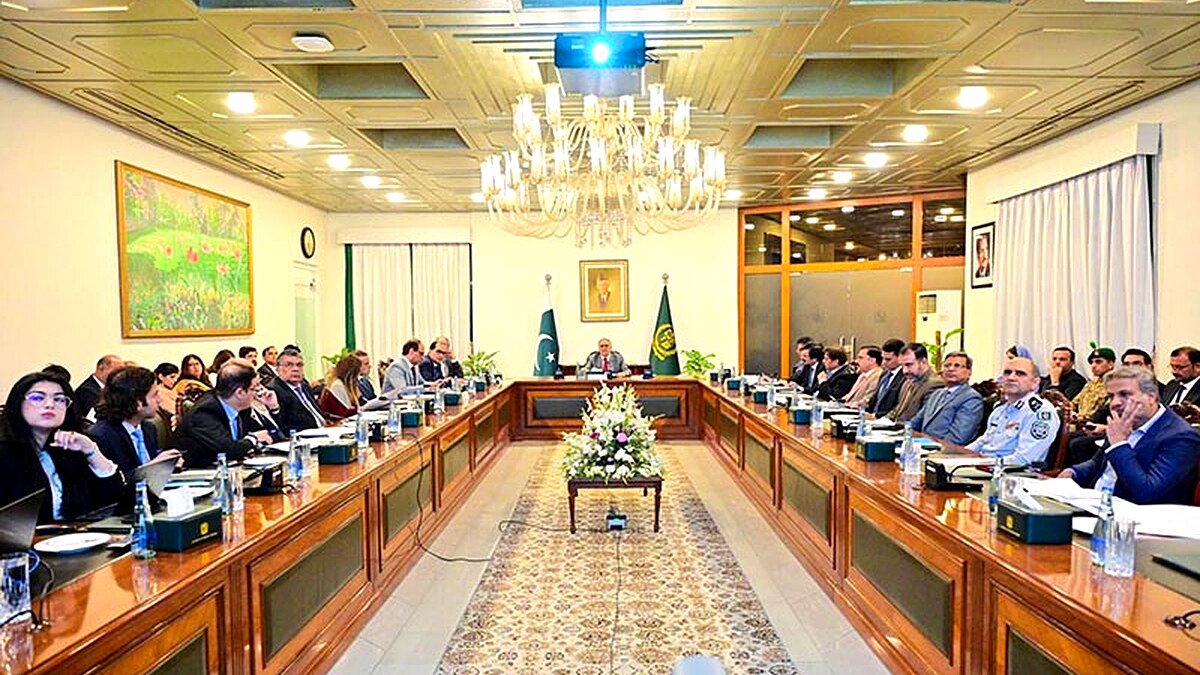




ISLAMABAD: Pakistan’s Deputy Prime Minister and Foreign Minister, Ishaq Dar, has made it clear that the possibility of resuming dialogue with India hinges significantly on New Delhi’s behavior. In a recent interview with Euronews, Dar articulated Pakistan’s stance, emphasizing that the Indus Waters Treaty cannot be abruptly suspended and that India’s actions will play a crucial role in determining the future of bilateral talks.
The Indus Waters Treaty, established in 1960, governs the management of river water resources between the two nations. Ishaq Dar’s remarks underline the importance of adhering to this agreement, indicating that any unilateral actions by India could jeopardize the potential for constructive engagement. He stressed that bloc politics and unilateral measures are not viable solutions for resolving regional disputes, highlighting the need for cooperative dialogue.
Dar’s comments come against a backdrop of heightened tensions in South Asia, particularly in light of the ongoing geopolitical dynamics involving major powers like the United States and Iran. He noted that dialogue remains the only viable path to resolving conflicts, a sentiment that resonates with Pakistan’s broader foreign policy approach. The Deputy Prime Minister pointed out that regional forums are actively working to mitigate tensions, underscoring the importance of multilateral engagement in fostering stability.
Despite facing challenges, including alleged violations of agreements, Pakistan has reiterated its commitment to uphold the 18 June agreement. This commitment reflects a desire for stability in the region and a willingness to engage in constructive dialogue, provided that the conditions are conducive.
The interplay of these factors raises critical questions about the future of Pakistan-India relations. Will India’s conduct align with Pakistan’s expectations, paving the way for renewed dialogue? Or will continued tensions hinder any potential for engagement? As both nations navigate this complex landscape, the international community watches closely, aware that the outcomes of these discussions could significantly impact regional stability.
In conclusion, Pakistan’s position on resuming talks with India is clear: it is contingent upon New Delhi’s actions. The emphasis on dialogue, adherence to treaties, and a collaborative approach to security issues reflects a strategic outlook aimed at fostering peace in a historically tumultuous relationship.
Source: ARY News