



ISLAMABAD: Pakistan’s trade deficit ballooned to $4 billion in July 2026, marking a steep 25% increase from the previous year.
This surge in the trade gap has been attributed to a significant rise in imports, which outpaced exports at the beginning of the fiscal year 2026-27.
The widening deficit raises concerns about Pakistan’s economic stability as the country grapples with external financial pressures.
High Oil Imports Drive Deficit
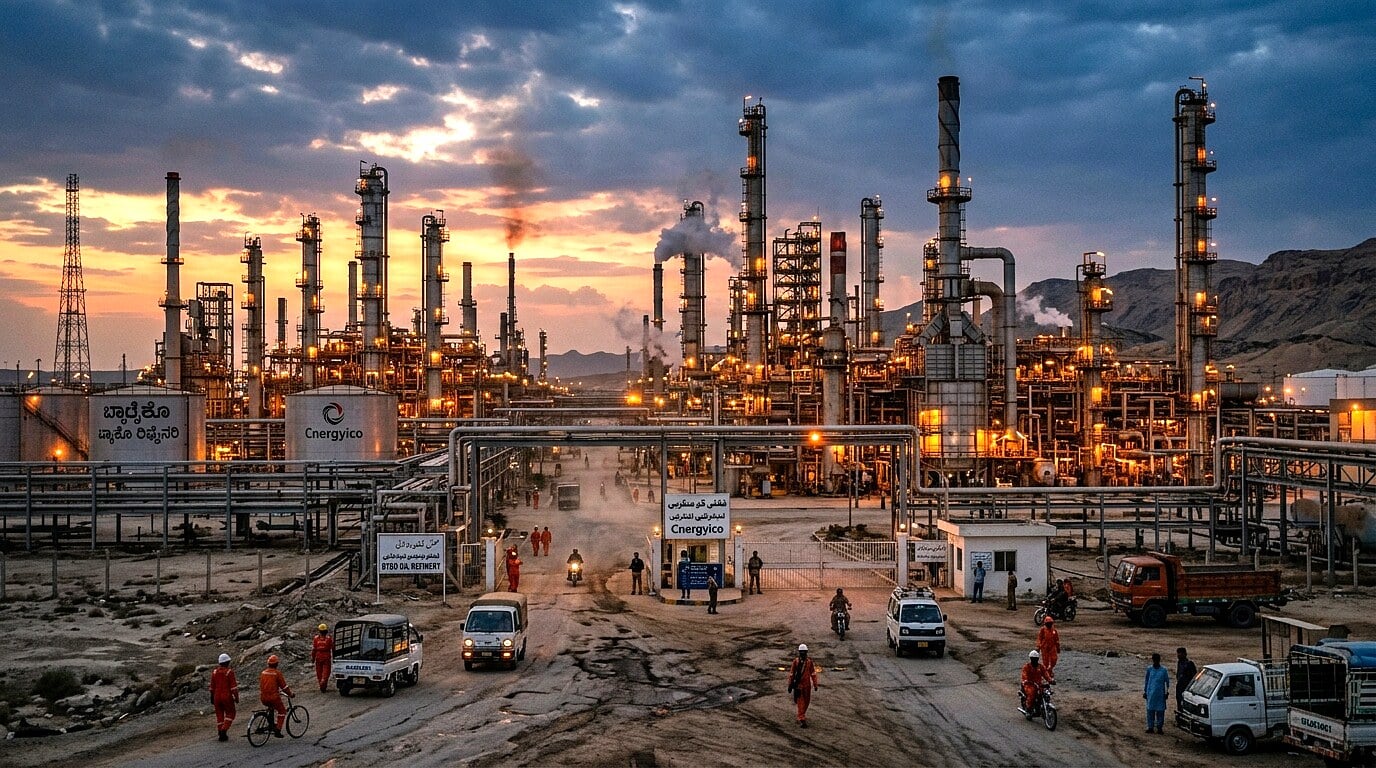
A major contributor to this deficit is the substantial import of oil, which has seen a spike due to global price fluctuations.
According to the Pakistan Bureau of Statistics, oil imports increased by 15%, exacerbating the financial strain.
Energy requirements amid the summer season also played a role in boosting these imports.
Textile Export, A Silver Lining
In contrast, the textile sector continued to show resilience, maintaining its position as a vital export driver.
Despite challenging global market conditions, textile exports saw a modest increase, contributing to the national economy.
Nevertheless, this uptick was insufficient to counterbalance the sharp rise in other imports.
Government Measures Under Scrutiny
The government has implemented various measures to curb the deficit, including attempts to diversify export markets.
Efforts to promote local manufacturing are underway, aiming to reduce the reliance on imported goods.
Critics argue that these steps may not be enough to manage the escalating trade gap effectively.
Impact on Currency and Reserves
The growing trade deficit has exerted pressure on foreign exchange reserves, prompting concerns about currency depreciation.
Financial experts warn that a weakened currency could lead to inflationary pressures, affecting everyday consumers.
Managing these economic challenges remains a critical task for policymakers in the coming months.
Looking Ahead
As Pakistan navigates this economic landscape, strategic decisions will be crucial to reversing the widening trade gap.
The upcoming fiscal policies and trade agreements may determine the trajectory of the country’s economic future.
This is a developing story, and further updates are expected as new data becomes available.