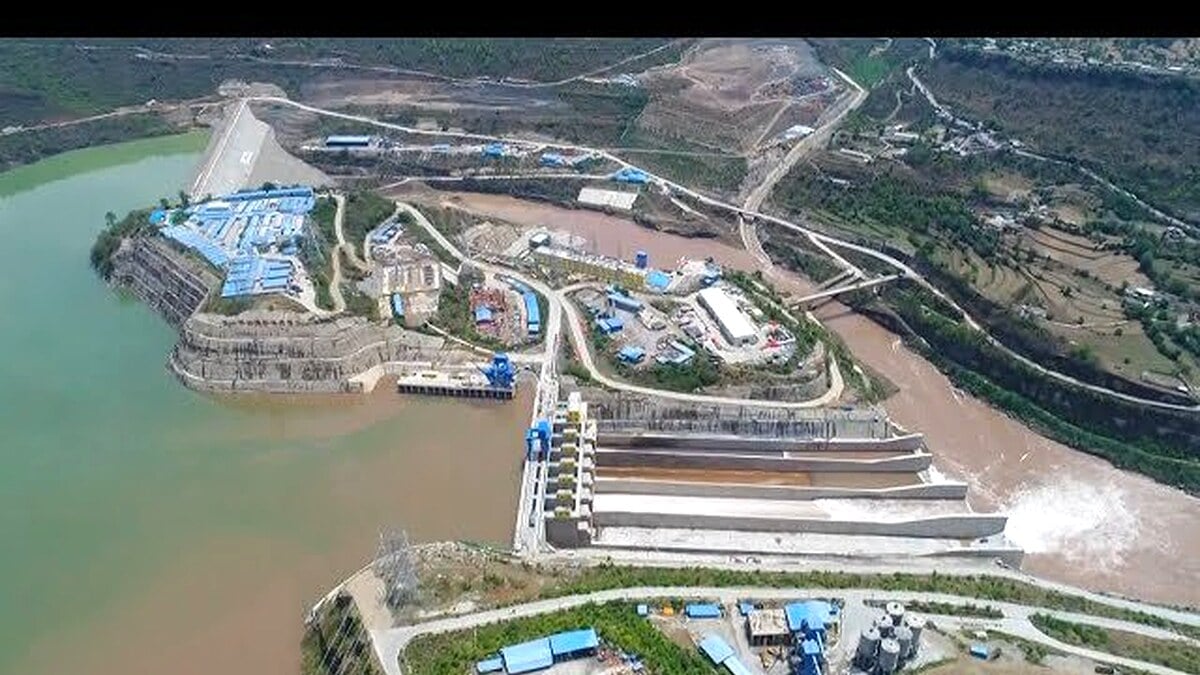




ISLAMABAD: The 720 MW Karot Dam is a game-changer in Pakistan’s pursuit of sustainable energy.
Sitting majestically on the Jhelum River, this dam represents the first asphalt-core rockfill dam in the country.
Constructed by China’s Three Gorges Corporation, the project cost a whopping $1.75 billion.
The Karot Dam stands 95 meters high, utilizing four Francis turbines to harness the river’s flow.
Since its inauguration in June 2022, it has been supplying clean energy to 5 million households.
This power is transmitted via the existing Neelum Jhelum network’s 500 KV lines.
The dam’s design incorporates seismic resilience and seepage control, ensuring safety and efficiency.
Upon the expiration of its 30-year BOOT contract, the dam will revert to Punjab government control.
The significance of the Karot Dam extends beyond electricity generation.
It is a symbol of the extensive Chinese investment in Pakistan under the China-Pakistan Economic Corridor (CPEC).
CPEC has been instrumental in fostering economic growth through energy and infrastructure projects.
This collaboration is not without strategic foresight and aims to modernize Pakistan’s energy backbone.
The next phase of CPEC is set to invigorate the industrial sector by tapping into affordable electricity.
This planned growth could position Pakistan as a competitive hub for industrial manufacturing.
Access to such large-scale clean power is critical amid rising global environmental concerns.
The dam’s contribution to reducing carbon footprints aligns with global sustainability goals.
Observers note the strategic importance of such initiatives in meeting Pakistan’s rising energy demands.
This developing story continues to unfold as energy dynamics shift in South Asia.
Future developments will determine how effectively these projects transform the regional energy landscape.