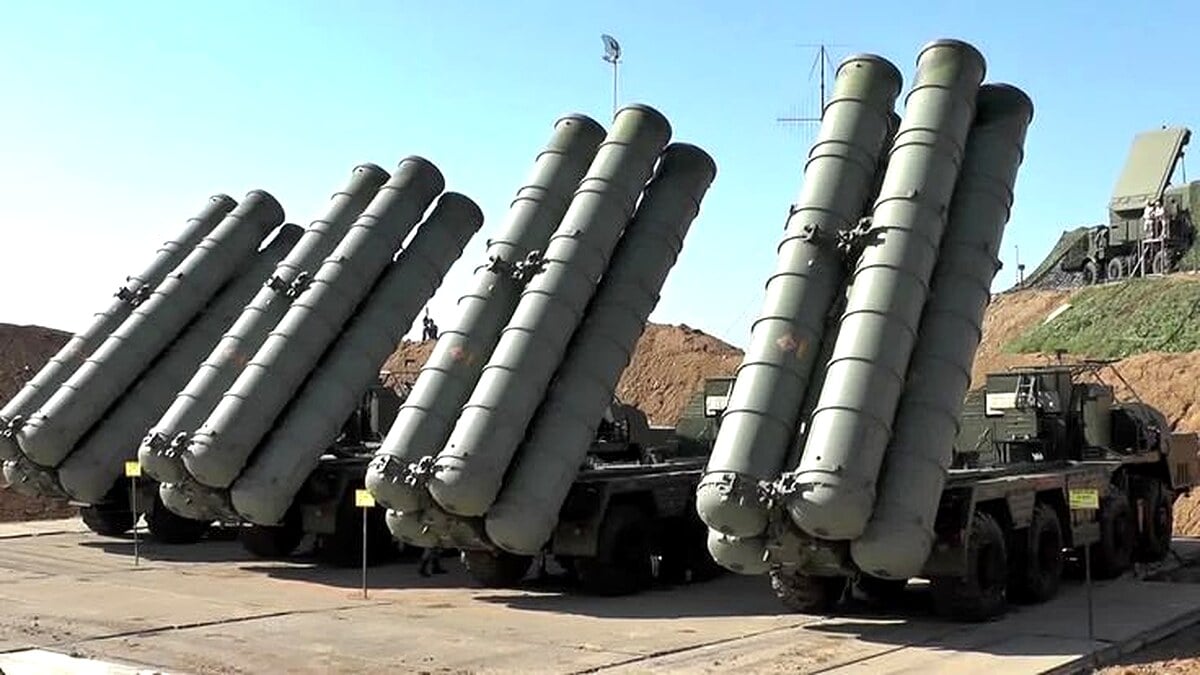




ISLAMABAD: In a strategic breakthrough, it was finally revealed that Pakistan had successfully intercepted Scalp and BrahMos missiles in May 25 conflict against India.
This development underscores the country’s growing focus on self-reliance in defense systems.
The current reliance on Chinese technology has proved effective, but there is a heightened need for faster terminal defense solutions.
The interception has been significant in highlighting the limitations faced by defense systems near border areas.
Existing Chinese HQ-11 systems provide a 4-second reaction time, which is critical yet calls for further improvement.
Pakistan is now determined to strengthen its technological capabilities by developing indigenous systems.
The aspiration for self-reliance is driven by the necessity of enhancing response times against potential threats.
A Pakistani defense official stated prioritizing the development of local technologies for long-term national security.
The focus is on creating systems that can match or exceed current global standards in defense reaction times.
Strategic defense requires fast and efficient systems, especially in regions demanding quick action.
While the Chinese HQ-11 is an asset, Pakistan is seeking to reduce dependency by innovating within its borders.
This transition towards self-sufficiency in defense tech showcases a critical evolution in military strategy.
Building domestic capabilities aids in maintaining strategic autonomy and operational flexibility.
Efforts to innovate in this field are already underway with significant investments in research and development.
National defense industries are collaborating to push the boundaries of existing technologies.
Increasing the speed and reliability of indigenous defense systems is a top priority for Pakistan.
International experts recognize the challenges that come with developing advanced defense technologies domestically.
Yet, Pakistan remains committed to taking the necessary steps to achieve its defense objectives.
The interception points to broader implications for regional security dynamics in South Asia.
In the long run, such advancements are likely to impact the strategic balance in the region.
This story remains in development as Pakistan continues to make strides towards achieving defense autonomy.