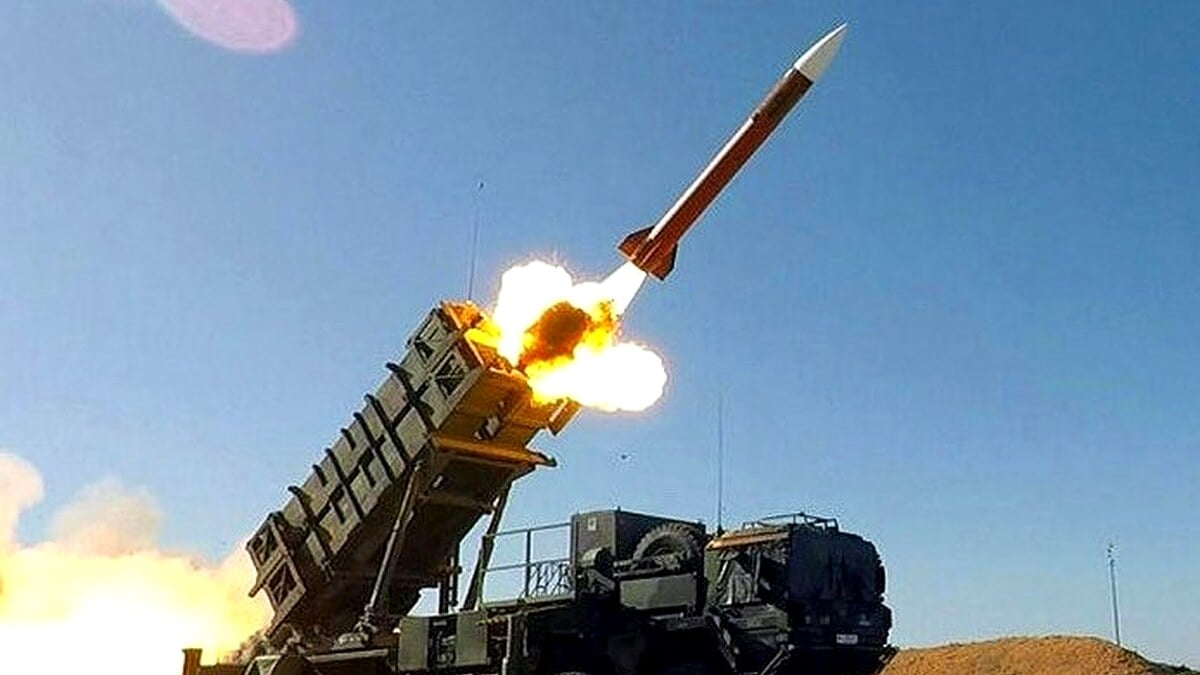




ISLAMABAD: Türkiye’s recent proposal to provide the SİPER long-range air defense system to Pakistan could significantly shift defense dynamics within the region.
Reports suggest that this offer includes a crucial Transfer of Technology (ToT) component.
This strategic pact might usher in one of the most transformative periods in Pakistan’s defense history.
Currently, Pakistan relies heavily on the HQ-9B system as the cornerstone of its air defense strategy.
The introduction of SİPER would enhance rather than supplant the HQ-9B, creating a robust, multi-layered defense architecture.
This system aims to neutralize threats from fighter aircraft, cruise missiles, and UAVs from various trajectories.
In contemporary warfare, layered defenses ensure survivability through redundancy and system integration.
Relying on a single air defense mechanism presents significant risks.
Integrating multiple systems complicates adversaries’ planning and provides operational flexibility.
The central advantage, however, lies in the potential technology transfer from Türkiye.
While missile systems can be purchased, acquiring the underlying technology is invaluable.
Should Pakistan access these technologies, they could acquire expertise in crucial areas like phased array radar and command control networks.
Moreover, it could benefit from advanced software development, fire control systems, and maintenance protocols.
The importance of these technologies cannot be overstated, as they are pivotal for indigenous missile system development.
Historically, technology transfer has empowered nations to cultivate self-reliant military industries.
Pakistan’s collaboration with China on the JF-17 Thunder project exemplifies this model.
Initially a joint venture, the JF-17 program has evolved Pakistan’s domestic aerospace capabilities significantly.
The potential impact of integrating SİPER could echo the success of the JF-17 in the realm of air defense.
Instead of merely importing systems, Pakistan could lay the groundwork for a domestic air defense industry.
This advancement is particularly critical in the face of evolving aerial threats like drones and advanced missile systems.
Investment in these capabilities is now a strategic imperative for national security.
If Türkiye’s deal includes true technology transfer, it may mark a pivotal moment in Pakistan’s defense evolution.
This development could potentially reshape Pakistan’s air defense landscape for future generations.
This transformational agreement currently remains in negotiation stages, emphasizing that this is a developing story.