



ISLAMABAD:
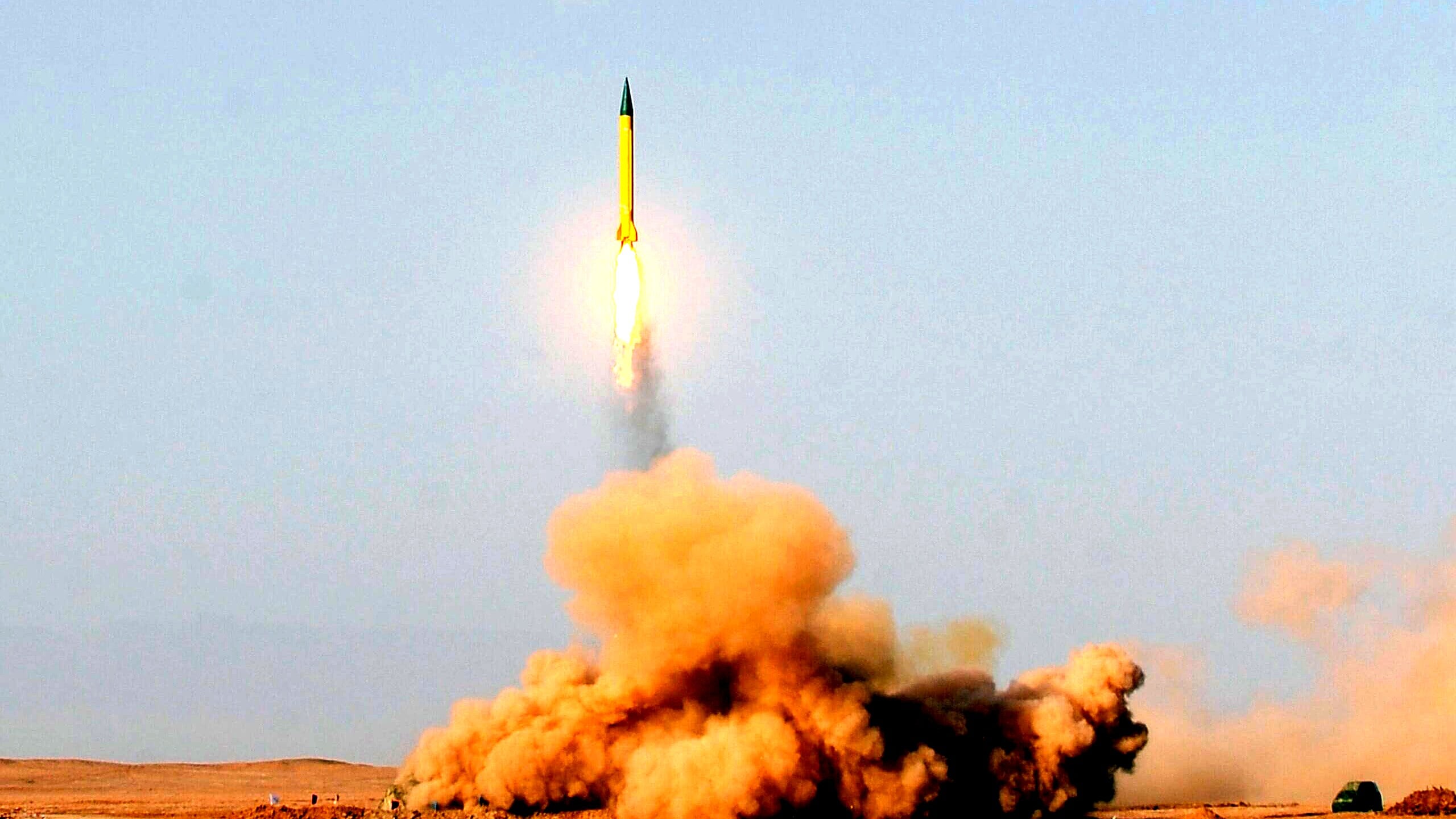
Iran’s Islamic Revolutionary Guard Corps (IRGC) says it carried out coordinated drone and missile strikes on U.S. military facilities in Bahrain and Kuwait early on June 28, 2026.
This is a developing story.
Headlines say IRGC targeted the U.S. Fifth Fleet headquarters in Bahrain and Ali Al Salem Air Base in Kuwait in retaliation for perceived aggression against Iranian territory.
The IRGC has described the operations as precise and intentional responses to recent U.S. strikes on Iranian positions.
U.S. Central Command has not yet verified the IRGC’s claims of successful hits and has previously rejected similar assertions as false.
Earlier IRGC statements also claimed to have struck 18 or more U.S. military targets in the region, including bases in Kuwait and Bahrain.
This escalation follows a fresh round of U.S. airstrikes on Iranian infrastructure, including drone and radar sites, which Tehran labeled as unprovoked attacks.
The IRGC’s narrative frames their actions as defensive, aimed at protecting Iran’s strategic coastal areas and national sovereignty.
A spokesperson for Kuwait’s military reported that air defenses intercepted incoming IRGC missiles and drones with no immediate injuries or damage.
In Bahrain, authorities acknowledged damage to a residential building near the airport, though not directly at the Fifth Fleet headquarters.
The U.S. military, via CENTCOM, previously warned of heightened regional vigilance and preparedness amid repeated threats to Gulf bases.
This surge in tensions risks derailing fragile ceasefire negotiations or diplomatic efforts underway between Washington and Tehran.
As the situation unfolds, regional partners and global stakeholders are closely monitoring for potential further escalation or a path toward de-escalation.
What lies ahead remains uncertain—will counterstrikes ignite a broader conflict, or will diplomacy emerge from this volatile exchange?