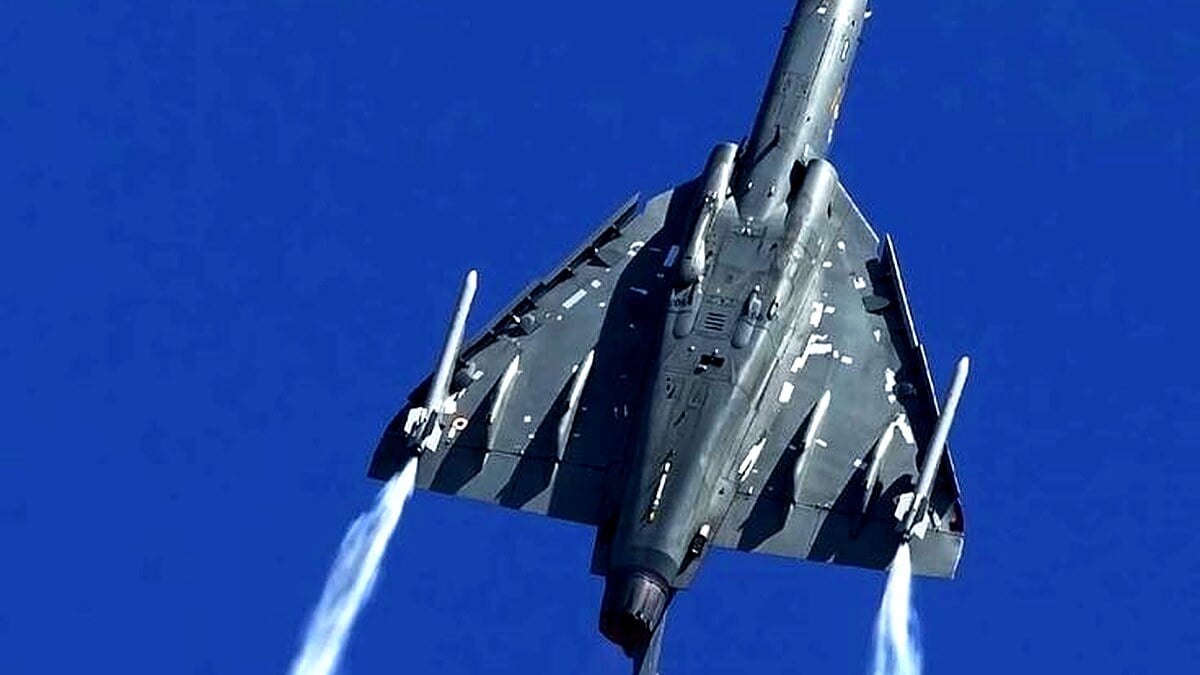




ISLAMABAD: India’s ambitious plans to export its Tejas Mk1A and Mk2 fighter jets are facing a significant hurdle.
The primary concern is the reliance on US-made General Electric engines, crucial components of these jets.
Under the International Traffic in Arms Regulations (ITAR), India’s ability to sell its indigenous aircraft abroad is restrained.
New Delhi must secure approval from Washington before proceeding with any export deals involving these jets.
This dependence on American consent underscores the sensitive nature of international arms trade regulations.
ITAR acts as a form of control, allowing the US to regulate the transfer of military technology.
The Indian government has invested heavily in the development of the Tejas, aiming to boost its defense manufacturing sector.
However, the requirement for US approval could complicate India’s efforts to position itself as a key player in the global arms market.
According to defence experts, the situation highlights the complexity of developing a fully indigenous military aircraft.
Despite its domestic origins, the Tejas’ reliance on foreign components limits India’s autonomy in defense exports.
India’s defence procurement policy strives for self-reliance, but partnerships with countries like the US present unique challenges.
The issue raises questions about the balance between dependence on global partnerships and achieving indigenous production capabilities.
If the US grants approval, it could open lucrative markets for Indian aerospace, boosting the country’s economy.
However, any denial could set back India’s military export ambitions significantly.
Defence analysts suggest that achieving autonomy in critical technologies like engines is crucial for future self-reliance.
The situation also illustrates the strategic importance of US-India relations in the broader geopolitical landscape.
This example of interdependence is a reminder of how geopolitical ties impact national defense strategies.
The outcomes of these approval processes could redefine the future of India’s defense export strategy.
This is a developing story, and its unfolding will provide insights into global defense cooperation dynamics.
As the situation progresses, watching how India navigates these challenges will be critical for understanding its growing role on the international stage.