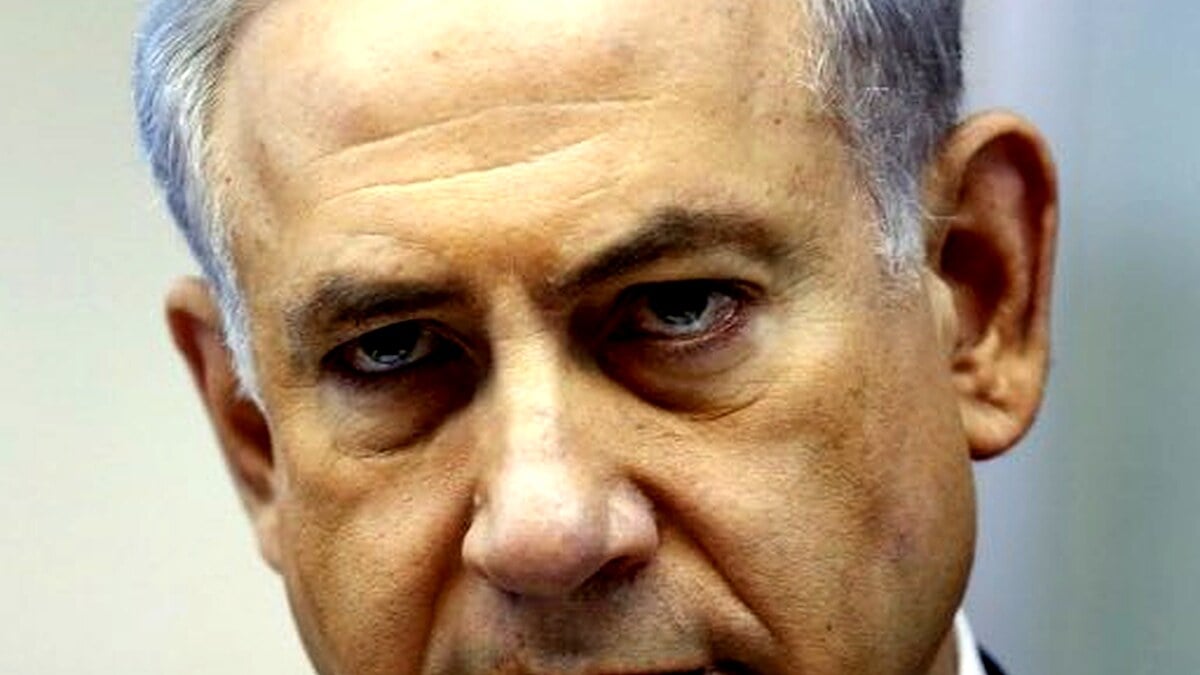




ISLAMABAD: Prominent Israeli author and Haaretz columnist Gideon Levy has stated that Israeli Prime Minister Benjamin Netanyahu’s long-standing strategy against Iran has collapsed.
Levy made the remarks in an interview with Al Jazeera, arguing that Netanyahu’s central “life project” of defeating Iran through military force has proven ineffective.
“The project of his life was Iran and the belief that Iran can be defeated by force. This was proven fake in the last two rounds of attacks in Iran,” Levy said.
He added that reality shows none of the stated goals were achieved, despite repeated military actions.
The comments come after the 12-day Israel-Iran war in June 2025, which involved intense exchanges of strikes. Israeli operations targeted Iranian facilities across multiple provinces, while Iran launched retaliatory missile attacks.
According to Iranian authorities and monitoring groups, the conflict resulted in significant casualties. Reports indicate around 1,190 killed and over 4,475 injured in Iran, including both military personnel and civilians. On the Israeli side, at least 26-28 people were killed and thousands injured.
Pakistan has closely monitored these developments given its strategic interests in regional stability. Islamabad strongly condemned the escalation and urged de-escalation at the United Nations Security Council.
Foreign Office statements emphasised respect for sovereignty and warned against actions that could destabilise the broader Middle East, particularly affecting neighbouring states like Pakistan which shares a long border with Iran.
**Official Reactions**
Levy, known for his critical views on Israeli policies, described Netanyahu as facing a deadlock. Despite the military campaign, Iran’s core capabilities and regional influence remain intact, he argued.
Israeli strikes reportedly hit nuclear-related sites, missile infrastructure, and other targets in Tehran and 27 provinces. Nearly 360 attacks were documented, exposing vulnerabilities but failing to produce regime change or permanent degradation of Iran’s programme.
Iranian officials reported resilience, with the country emerging “battered but strengthened” according to some assessments. Damage estimates run into billions of dollars, affecting infrastructure, hospitals, and energy facilities.
**Background and Regional Context**
Netanyahu has long positioned Iran as Israel’s primary existential threat, advocating maximum pressure through sanctions, covert operations, and direct strikes. This approach intensified after the 2015 JCPOA nuclear deal, which Israel opposed.
The recent 12-day war followed patterns of previous escalations but on a larger scale. Israel claimed destruction of significant portions of Iran’s surface-to-surface missile capabilities and related infrastructure.
However, analysts note that Iran demonstrated the ability to absorb strikes and respond, maintaining its strategic posture. No decisive shift in the regional power balance occurred.
For Pakistan, the conflict highlighted risks to energy security, border stability in Balochistan, and the potential for proxy disruptions. Islamabad balanced diplomatic support for Iran with efforts to maintain ties with major powers.
**Impact and Implications**
The war caused widespread displacement and economic strain. Over 21 million Iranians were exposed to strikes in affected areas. Reconstruction costs are expected to burden Iran’s economy amid existing sanctions.
Markets reacted with volatility in oil prices during the active phase, though a ceasefire brought temporary relief. Regional actors, including Gulf states, expressed concerns over further escalation.
Pakistani officials have called for renewed diplomatic efforts, including dialogue through multilateral forums. Prime Minister Shehbaz Sharif reportedly reaffirmed support for Iran while engaging international partners on peace initiatives.
Levy’s assessment underscores a broader debate within Israel and beyond about the sustainability of military-centric approaches. He suggested Netanyahu recognises the limitations but faces domestic pressures against admission.
**Strategic Outlook**
The episode raises questions about future trajectories in the Middle East. While tactical successes were claimed, strategic objectives such as dismantling Iran’s nuclear ambitions or weakening its alliances appear unmet.
Experts anticipate continued low-level tensions, with risks of renewed cycles of violence. For South Asian and Muslim-majority states, the priority remains preventing spillover that could affect trade routes, energy supplies, and internal security.
Upcoming diplomatic engagements, potentially involving major powers, may shape the next phase. Pakistan continues to advocate for comprehensive solutions addressing root causes rather than repeated confrontations.
Regional stability will depend on calibrated responses and avoidance of actions that invite wider conflict. Developments in the coming months will test whether lessons from the recent war lead to restraint or new escalations.