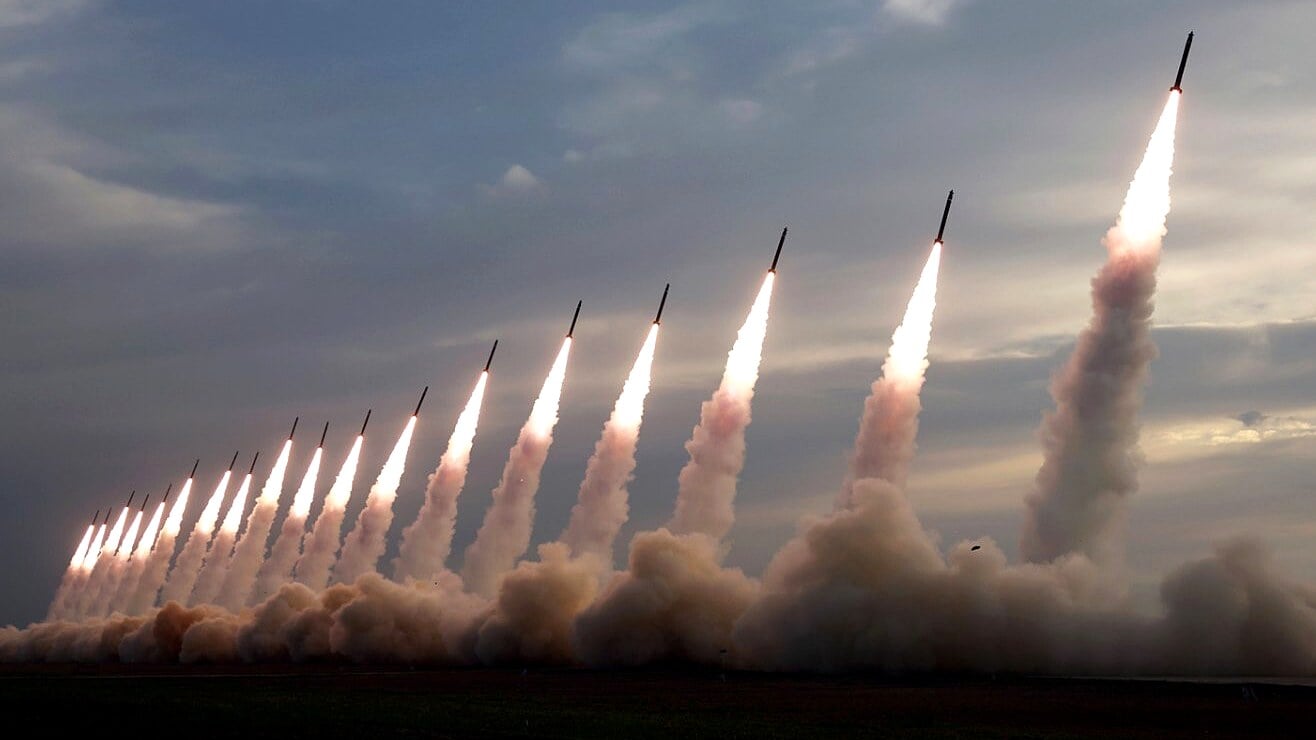




ISLAMABAD: Israeli National Security Minister Itamar Ben-Gvir issued a highly inflammatory statement on Sunday evening, declaring “Tonight Tehran must burn” shortly after Iran launched ballistic missiles towards Israel.
The remark came minutes after the Israeli military confirmed incoming missiles from Iranian territory, marking the first direct Iranian ballistic missile attack on Israel since the fragile US-brokered ceasefire in early April 2026.
Iran’s Islamic Revolutionary Guard Corps fired four to five ballistic missiles targeting northern and central Israel in retaliation for an Israeli airstrike on Hezbollah positions in Beirut’s southern suburbs earlier in the day.
Israeli air defences intercepted the projectiles, with no major casualties or significant damage reported on the Israeli side, though sirens sounded across multiple regions and explosions were heard. Iranian state media claimed successful strikes on Israeli targets.
Ben-Gvir, a far-right coalition partner in Prime Minister Benjamin Netanyahu’s government, posted the statement on social media platform X, reflecting hardline elements within Israel pushing for escalated retaliation against Iran.
The exchange highlights the precarious nature of the April ceasefire, which followed months of intense US-Israeli military operations against Iran that began in late February 2026.
Those operations included nearly 900 strikes in the initial phase targeting Iranian missile sites, air defences, and senior leadership, resulting in the reported death of Supreme Leader Ali Khamenei and significant damage to Iranian infrastructure.
Iran responded with waves of missile and drone attacks across the region, disrupting global energy markets through threats and actions in the Strait of Hormuz.
**Official Reactions**
Israeli officials described the Iranian missile launch as a serious violation of the ceasefire. The military stated that while most projectiles were intercepted, the defence systems are not foolproof and vigilance remains high.
Ben-Gvir’s statement has drawn internal attention in Israel, with critics warning it fuels escalation while supporters view it as a necessary signal of resolve.
Iranian officials justified the missile barrage as a measured response to Israeli actions in Lebanon, maintaining their right to defend regional allies like Hezbollah.
**Key Developments and Figures**
The latest flare-up occurs against the backdrop of a broader conflict that has lasted over three months. Estimates suggest thousands of deaths across Iran, Lebanon, Israel, and Gulf states, with millions displaced, particularly in Lebanon where over one-sixth of the population has been affected.
Disruptions in the Strait of Hormuz, through which about 25% of global seaborne oil trade and 20% of LNG passes, have caused fuel shortages and economic ripple effects in Asia and beyond.
The April ceasefire, partially brokered with involvement from countries including Pakistan, aimed to halt major hostilities but left underlying issues unresolved, including Hezbollah’s presence in southern Lebanon and ongoing naval tensions in the Gulf.
Sunday’s events began with an Israeli strike on Hezbollah targets in Beirut’s Dahiyeh district, prompting Iranian retaliation. This followed reports of Hezbollah rocket fire into northern Israel despite partial ceasefire understandings.
**Regional Context**
Pakistan has consistently called for de-escalation and diplomatic resolution in the Iran-Israel and broader Middle East crises. Islamabad maintains diplomatic ties with both Tehran and key Arab states while expressing concern over the humanitarian and economic fallout affecting Muslim countries and global stability.
The conflict has strained energy markets, with potential implications for Pakistan’s oil imports and regional security dynamics, including risks of wider involvement from proxy groups.
**Strategic Implications**
Analysts note that Ben-Gvir’s rhetoric underscores divisions within the Israeli government between those favouring calibrated responses and hardliners seeking decisive action against Iran’s nuclear and missile capabilities.
Iran’s ability to launch ballistic missiles despite earlier setbacks demonstrates remaining military capacity, though its effectiveness against Israeli multi-layered defences appears limited in this instance.
The episode raises questions about the durability of the April truce and the potential for renewed large-scale operations, particularly if further strikes target Iranian or Hezbollah assets.
Future developments may hinge on US mediation efforts under President Donald Trump, ongoing talks regarding the Strait of Hormuz, and internal political pressures in Israel ahead of any potential decisions on expanded operations.
Regional observers warn that unchecked escalation could further destabilise energy supplies and trigger broader humanitarian challenges, with calls for renewed diplomatic engagement to prevent a return to full-scale war.