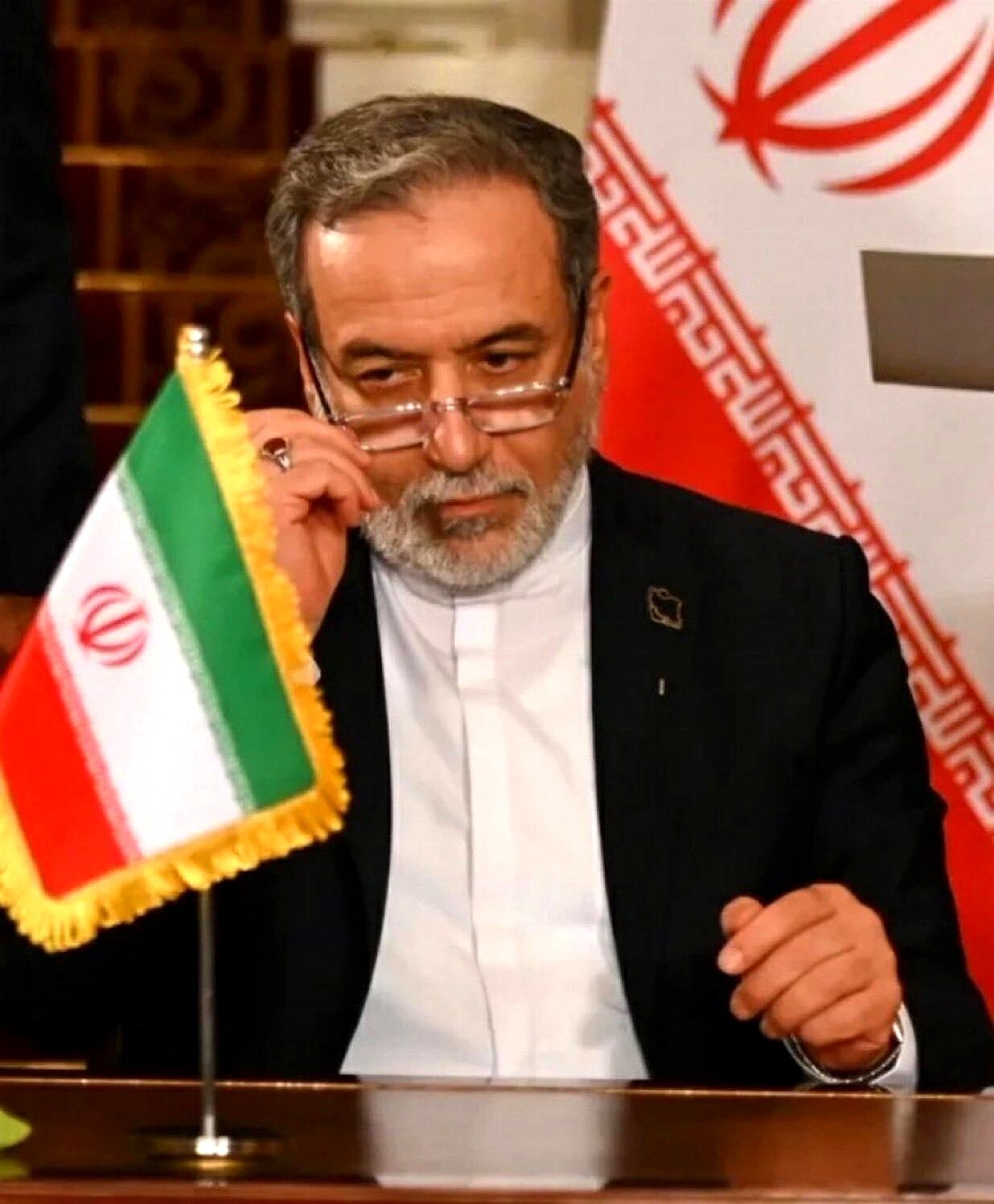




(Iranian Top Leader Warns These Three Gulf States Of Serious Post War Consequences )
Consequences
ISLAMABAD: Mohsen Rezaei, military adviser to Iran’s Supreme Leader, has issued a strong warning to the United Arab Emirates, Kuwait and Bahrain over their continued reliance on American power in the Gulf region.
In remarks that highlight deepening divisions among Gulf Cooperation Council members, Rezaei praised Qatar and Saudi Arabia’s Crown Prince Mohammed bin Salman for what he described as being on the “right path in history.” He contrasted this with the policies of Abu Dhabi, Manama and Kuwait City.
Rezaei accused the three states of hosting US military facilities and supporting policies aligned against Iranian interests. He referenced their historical backing of Saddam Hussein’s Iraq during the 1980-1988 Iran-Iraq War, stating that such positions would not be forgotten.
“If they continue down this path, we will even go after them once the war is over,” the adviser said, according to reports from Iranian state-affiliated media.
The comments come amid ongoing regional tensions following recent escalations involving US-Iran confrontations and strikes across the Gulf. Iran has conducted multiple missile and drone operations targeting infrastructure linked to US presence in the area.
Rezaei emphasised that American power would not endure as a long-term guarantee for Gulf security. He asserted that Tehran views certain Gulf states as having compromised their independence by providing territory for operations against Iran and Palestinian causes.
Pakistani diplomatic sources monitoring the situation noted the remarks reflect Iran’s strategy to exploit differences within the GCC. Islamabad maintains strong ties with both Saudi Arabia and Iran, positioning itself as a potential mediator in Gulf affairs.
**Official Context**
Iranian officials have repeatedly accused several Gulf states of allowing their territory to serve as platforms for US and allied operations. Rezaei’s statement builds on earlier warnings from Tehran regarding the future of US bases in the region.
Qatar and Saudi Arabia have pursued more nuanced diplomatic approaches in recent years, including efforts at de-escalation with Iran facilitated through channels like China in 2023. In contrast, the UAE has strengthened defence cooperation with the United States and Israel, including operational use of systems like Iron Dome against Iranian projectiles.
**Key Developments**
The Iran-Iraq War legacy remains a sensitive historical reference. During that eight-year conflict, several Arab states provided financial and logistical support to Iraq, contributing to an estimated one million total casualties and massive economic damage on both sides.
Recent wartime exchanges have seen Iranian forces launch over 2,800 missiles and drones towards UAE targets alone, according to regional assessments, far exceeding strikes on other Gulf states. Kuwait reported Iranian-aligned attempts near Bubiyan Island, while Bahrain faced direct infrastructure attacks.
Oil markets have reacted sharply to the volatility. Brent crude prices have fluctuated significantly, at times exceeding $100 per barrel amid threats to the Strait of Hormuz, through which nearly 20 percent of global oil trade passes.
**Regional Reactions**
The UAE has condemned Iranian actions as “terrorist” attacks and called for a united GCC response alongside Kuwait and Bahrain. Diplomatic adviser Anwar Gargash stressed the indivisibility of Gulf security interests.
Saudi Arabia and Qatar have maintained relatively restrained public positions, focusing on economic stability and diplomatic engagement.
Analysts in Islamabad observe that these divisions complicate efforts for broader regional stability, particularly as Pakistan balances relations with key Gulf investment partners and energy suppliers.
**Strategic Implications**
The warning underscores Iran’s intent to reshape Gulf security dynamics beyond the current conflict phase. By differentiating between GCC members, Tehran seeks to isolate harder-line US allies while encouraging pragmatic engagement from others.
For Pakistan, the developments carry economic weight. Remittances from Gulf countries exceed $30 billion annually, while trade and investment ties with Saudi Arabia, UAE and Qatar remain vital for energy security and infrastructure projects under CPEC extensions.
Future trajectories remain uncertain. Potential post-conflict realignments could influence investment flows, energy routes and security arrangements across West Asia. Pakistani policymakers continue to advocate for dialogue and de-escalation to prevent wider disruption.
The situation is expected to evolve with upcoming diplomatic engagements and regional security reviews in the coming months.