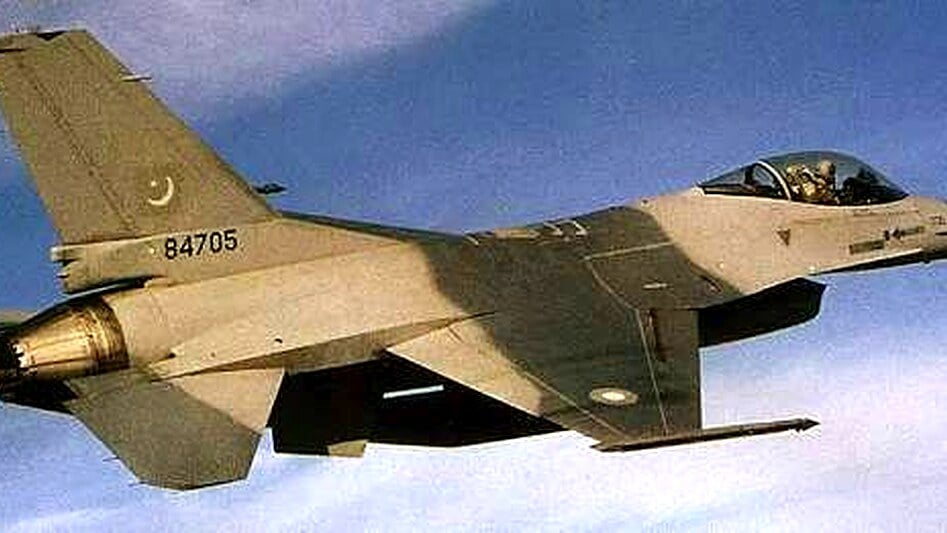




ISLAMABAD: Pakistan has initiated steps to acquire advanced AIM-120C-8 variants of the AMRAAM air-to-air missiles to enhance the beyond-visual-range capabilities of its F-16 fighter fleet.
The development follows the inclusion of Pakistan in a major US Department of Defense contract modification awarded to Raytheon for AMRAAM production and sustainment. Officials indicate the move aims to modernise existing stocks and maintain operational readiness of the Pakistan Air Force’s primary multirole fighters.
Defence sources confirmed that the request targets the C-8 variant, known for improved guidance, electronic countermeasures resistance, and extended engagement ranges compared to the older C-5 missiles currently in PAF service. The initiative aligns with ongoing efforts to sustain and upgrade the F-16 fleet amid regional air power dynamics.
The Pakistan Air Force operates an estimated 70-80 F-16 aircraft across Block 15 MLU and Block 52 variants. These form a critical component of the country’s air defence and strike capabilities, with the newer Block 52 jets already integrated with AMRAAM systems.
In 2006-2007, Pakistan procured around 500 AIM-120C-5 missiles as part of a $650 million package tied to F-16 acquisitions and upgrades. These missiles have provided beyond-visual-range engagement options since their delivery began around 2010.
The AIM-120C-8 features enhanced active radar homing, inertial guidance with mid-course updates, and improved performance against advanced threats. Estimates suggest operational ranges exceeding 100 kilometres in optimal conditions for later AMRAAM variants, with speeds approaching Mach 4 and high-G manoeuvrability.
Pakistan’s request comes within a broader $41.6 billion US export framework covering AMRAAM production through 2030 for multiple allies. While initial notifications referenced sustainment of existing stocks, subsequent reporting points to potential access to newer C-8 and related D-3 configurations for the F-16 fleet.
Air force officials have not issued detailed public statements, but the development reflects continued US-Pakistan defence cooperation focused on counterterrorism interoperability and fleet maintenance. The F-16s have played key roles in operations against militant groups along the western borders.
Recent US approvals also include a separate $686 million package for F-16 avionics, Link-16 data links, radar sustainment, and logistical support. This aims to extend the operational life of the fleet into the 2040s.
The Pakistan Air Force maintains strict operational security around its missile inventories. AMRAAMs are stored under enhanced safeguards at dedicated facilities, consistent with longstanding end-use agreements with the United States.
Regional analysts note that enhanced BVR capabilities would strengthen Pakistan’s air deterrence posture. The PAF already integrates the missiles with F-16s for both air superiority and multi-role missions alongside JF-17 Thunder fighters and other platforms.
Market and supply chain implications remain limited in the short term. The contract modification supports production continuity rather than immediate large-scale deliveries, with completion timelines extending to May 2030.
Background context includes periodic US reviews of defence sales to Pakistan, balancing security assistance with regional stability considerations. Previous F-16 sustainment packages have focused on structural upgrades, engine support, and electronic systems without altering the overall conventional balance.
Defence observers highlight the importance of reliable missile supplies for maintaining pilot proficiency and fleet readiness. Training and simulation programmes for AMRAAM employment form part of the broader modernisation roadmap.
The development has drawn measured attention in Indian strategic circles, where concerns over air combat parity have been raised in public discourse. However, Pakistani officials emphasise the defensive and counterterrorism orientation of the F-16 fleet.
Economically, such acquisitions support long-term cost efficiencies by extending the viability of existing high-value platforms rather than necessitating new fighter purchases. The PAF continues parallel investments in indigenous and Chinese-origin systems, including J-10C fighters and JF-17 Block 3 production.
Strategic implications suggest a gradual evolution in Pakistan’s air defence architecture. Improved AMRAAM performance would enhance first-shot probability in contested environments and improve integration with networked command systems.
Future steps likely include formal notifications through the US Defense Security Cooperation Agency, congressional review where applicable, and subsequent integration training for PAF squadrons. Delivery schedules would align with production timelines and existing s