



Kabul
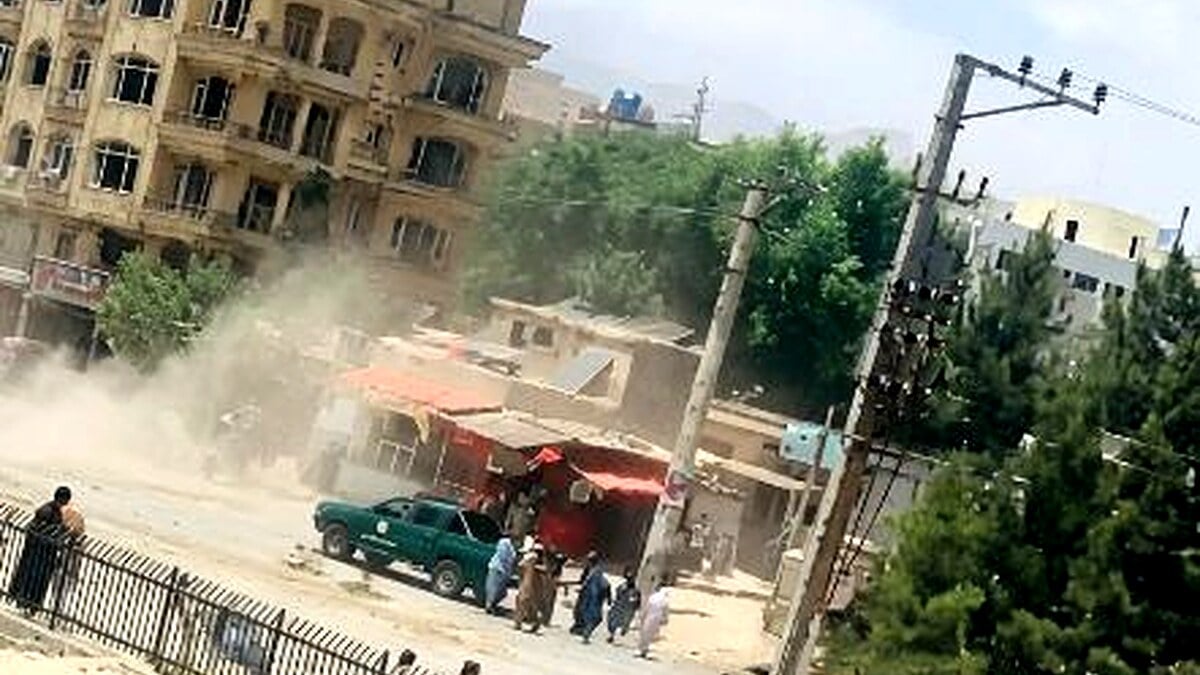
ISLAMABAD: An explosion occurred on Friday in Kabul’s 11th Police District, close to the residence of Mawlawi Qudratullah Amini, the Taliban’s deputy governor for Kabul Province.
The blast took place around midday outside Seyed al-Naseri Boys’ School in the area. Taliban sources reported that three civilians sustained injuries while the suspected attacker was wounded and arrested.
Local sources described the incident as an apparent attempt on the senior Taliban official. Security forces responded swiftly, securing the site and transporting at least one injured individual from the scene.
Taliban authorities have not issued a detailed official statement on the motive or the identity of the suspected perpetrator. Investigations are underway.
Kabul’s 11th Police District has seen intermittent security incidents in recent years. The proximity of the blast to both a school and a high-profile Taliban residence has raised immediate concerns about targeted operations in supposedly controlled urban zones.
Mawlawi Qudratullah Amini, originally from Panjshir province, previously served as governor there before his appointment as deputy governor of Kabul in mid-2025. He has also held advisory roles within the Taliban’s Ministry of Interior.
This incident comes amid ongoing challenges for the Taliban administration in maintaining security across the capital. Despite claims of improved stability since taking power in 2021, sporadic attacks continue, particularly attributed to the Islamic State Khorasan Province (ISKP).
**Official Response and Initial Details**
Taliban security personnel were seen at the scene shortly after the explosion. Videos circulating on social media showed movement of injured individuals in official vehicles. No senior Taliban figures were reported injured in the blast.
Kabul police and interior ministry spokespersons have maintained a measured public response, focusing on the arrest of the suspect and ongoing probes rather than speculation on broader implications.
**Security Context in Kabul**
Under Taliban rule, overall large-scale violence in Afghanistan has decreased compared to the peak years of the previous conflict. However, targeted incidents and ISKP operations persist in urban centers.
ISKP has conducted several high-profile attacks in Kabul in recent years, including strikes on foreign-linked targets and areas considered secure by the authorities. In January 2026, a suicide bombing at a Chinese-run restaurant in Shahr-e-Naw killed seven people, including a Chinese national, highlighting vulnerabilities even in guarded districts.
UN reports and independent monitoring have tracked dozens of ISKP-claimed incidents across Afghanistan, with Kabul remaining a key focus due to its symbolic and administrative importance. Casualty figures from such attacks vary, but civilian impact remains a recurring concern.
The Taliban have conducted multiple counter-terrorism operations against ISKP cells, claiming arrests and eliminations of key operatives. Yet, the group continues to demonstrate capability for asymmetric strikes using IEDs, suicide attackers, and small-arms assaults.
**Broader Implications**
Friday’s explosion underscores the persistent threat environment in Kabul despite Taliban assertions of control. The targeting of areas near senior officials’ residences suggests efforts to challenge the regime’s authority directly.
Economic and humanitarian conditions compound security pressures. Afghanistan faces significant challenges with millions requiring aid, and repeated incidents erode confidence in stability needed for reconstruction or international engagement.
Regional actors, including Pakistan, maintain close interest in Afghan security developments given cross-border militant dynamics. Diplomatic efforts for broader engagement with the Taliban administration have been complicated by such incidents.
Analysts note that while the Taliban have consolidated military dominance, governance challenges, including effective intelligence and urban policing, remain areas of vulnerability. The arrest of the suspected attacker may yield further leads, but the frequency of such attempts points to ongoing infiltration risks.
Future security measures in Kabul are likely to include heightened checks around sensitive locations and officials. The incident also highlights the need for the Taliban to balance internal control with addressing root causes of instability.
The situation in the 11th Police District remains fluid as investigations continue. Authorities have urged residents to cooperate with security forces while maintaining vigilance. Additional details on the attacker’s background or affiliations are expected as probes advance.
This latest event adds to a pattern of intermittent violence that tests the Taliban’s ability to deliver on pr