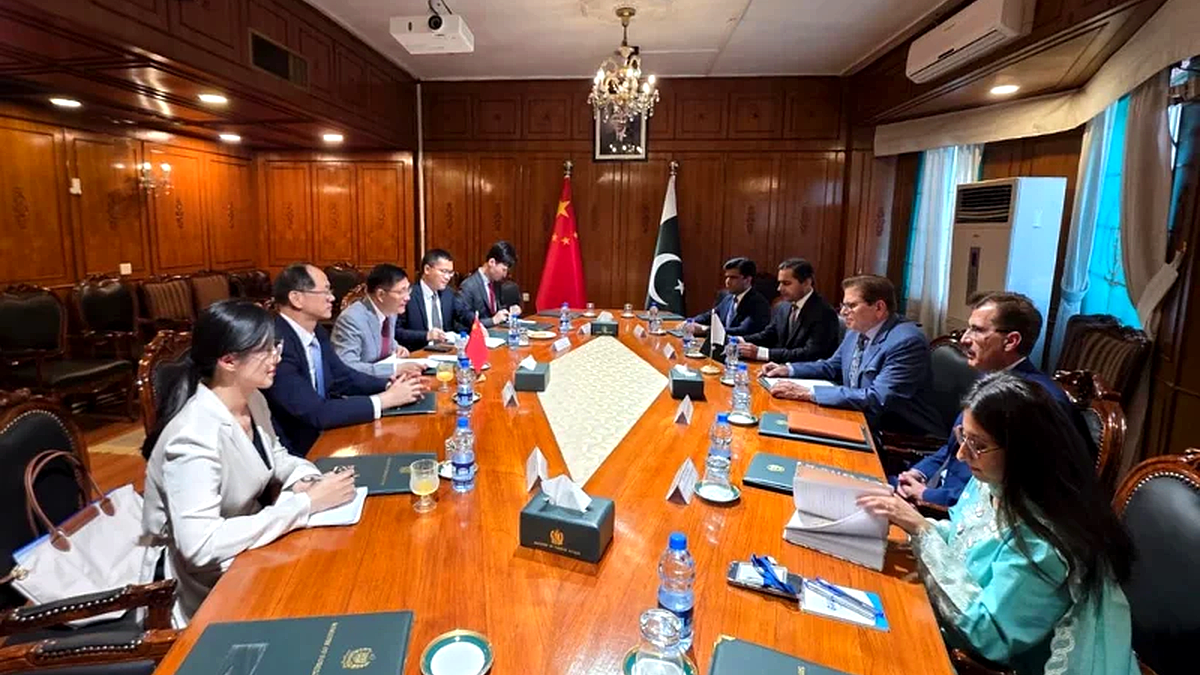




ISLAMABAD: In a significant move to strengthen security ties, Pakistan and China are enhancing their counterterrorism collaboration.
This joint effort focuses on combating threats from groups like the Tehrik-i-Taliban Pakistan (TTP) and East Turkestan Islamic Movement (ETIM).
The collaboration highlights the mutual concerns both nations have over extremist activities originating from Afghanistan.
Pakistan’s Special Representative for Afghanistan, Mohammad Sadiq, recently met with his Chinese counterpart Yue Xiaoyong.
The meeting underscored the threats posed by TTP and ETIM, which have been reportedly operating from Afghan soil.
### Regional Security Concerns
The increasing presence of these militant groups has escalated regional security concerns.
Pakistan and China share a strategic interest in ensuring stability across their borders.
The volatile situation in Afghanistan has had a direct impact on security in neighboring countries.
### Implications for Bilateral Relations
Strengthened counterterrorism efforts are poised to solidify Pakistan-China relations.
Both nations have a history of cooperating on various economic and security measures.
This collaboration is anticipated to deepen their existing ties and foster further trust.
### Afghan Soil as a Safe Haven
There is ongoing concern over Afghanistan being used as a safe haven by such groups.
Reports indicate that insurgent groups exploit the current Afghan political instability.
This development raises questions about the efficacy of regional and international counterterrorism strategies.
### Future Prospects and Challenges
Looking ahead, both countries face challenges in maintaining effective intelligence sharing.
The complexity of the regional security landscape requires adaptive and coordinated policies.
Cooperation against TTP and ETIM is part of broader efforts to promote regional peace.
This is a developing story, and further details are awaited as talks progress.