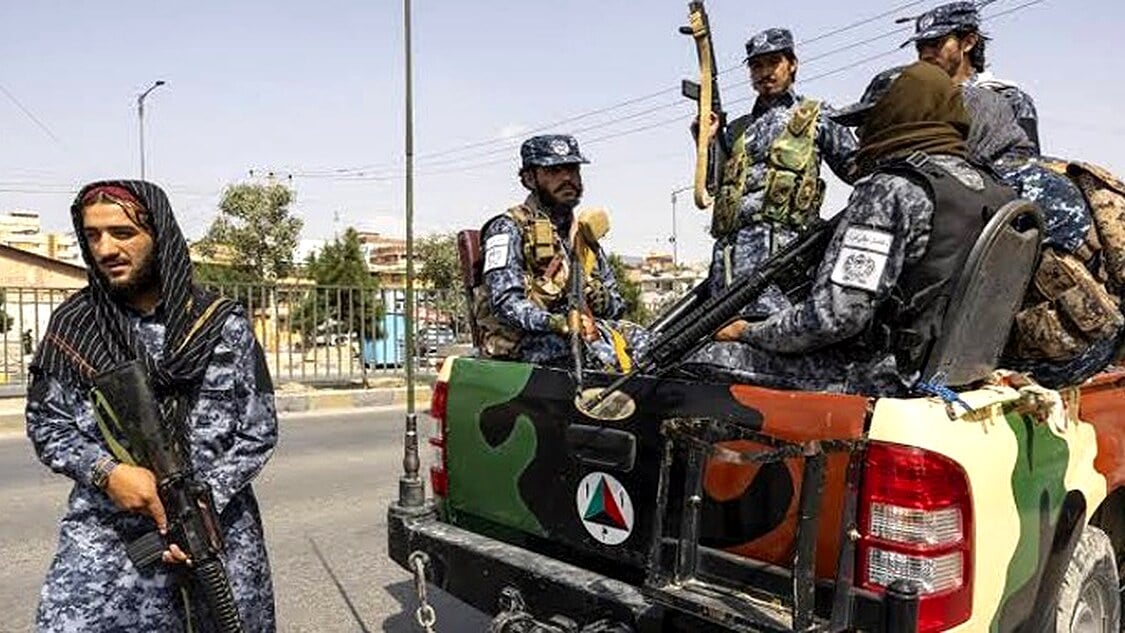




ISLAMABAD: Unidentified armed individuals carried out a deadly attack in Kabul, killing several Taliban-linked commanders and individuals associated with security and intelligence structures, according to preliminary reports from regional media outlets.
Taliban authorities confirmed the incident and stated that an investigation is underway. Officials described the attackers as unknown individuals and have not yet released details on the exact number of casualties or the precise location within the Afghan capital.
Early reports circulating in Afghan media suggest the attack resulted in the deaths of multiple mid-to-senior level figures tied to Taliban security apparatus. No group has claimed responsibility so far.
Taliban spokespersons have urged caution against speculation while investigations continue. They indicated that initial assessments point to possible involvement of anti-Taliban elements operating inside the country.
**Official Response** A Taliban interior ministry official, quoted by local outlets, said security forces have launched operations to identify and apprehend those responsible. “The perpetrators will be brought to justice,” the official stated, without providing further specifics on timelines or operational details.
No independent verification of casualty figures has been possible due to restricted access in Kabul. Regional observers note that such targeted incidents have increased in frequency over recent months.
**Key Context and Patterns** The reported attack fits into a broader pattern of targeted killings against Taliban-affiliated personnel. The National Resistance Front (NRF) has claimed over 2,000 attacks against Taliban targets across multiple provinces in the past five years, including operations in and around Kabul.
NRF officials have previously reported conducting 401 targeted operations between March 2024 and March 2025, resulting in claimed Taliban losses of 651 fighters. These figures remain unverified by independent sources but highlight ongoing resistance activity in provinces including Panjshir, Parwan, Baghlan, and urban areas.
Analysts tracking Afghanistan security note that internal rivalries within Taliban factions have also contributed to violence. Reports of poisoning incidents and unexplained deaths during gatherings have surfaced in different regions, though these too lack full confirmation.
The Taliban government, which took control of Kabul in August 2021, continues to face challenges from both external opposition groups and reported internal fractures. Islamic State-Khorasan Province (ISKP) remains a separate threat, conducting occasional high-profile attacks in the capital and provinces.
**Security Dynamics** Afghanistan’s security environment has remained complex since the Taliban takeover. The group controls most territory but struggles with governance and counter-insurgency operations. Estimates suggest the Taliban maintains significant military equipment acquired after 2021, valued at over $85 billion in US-origin assets, yet faces issues with maintenance, salaries, and professional capacity.
Targeted killings of commanders and intelligence personnel erode operational effectiveness. Such incidents raise questions about infiltration and intelligence gaps within Taliban structures.
Local sources in Kabul report heightened security measures following the attack, with increased checkpoints and patrols in key districts. Business activities in commercial areas have been affected, contributing to local economic disruption.
**Regional Implications** Pakistan has closely monitored developments in Afghanistan due to shared border concerns and cross-border militancy issues. Recent years saw spikes in border tensions, including artillery exchanges and temporary closures affecting trade routes valued in hundreds of millions of dollars annually.
The latest Kabul incident adds to concerns about stability in the region. If anti-Taliban groups like the NRF are involved, it could signal an escalation in urban guerrilla tactics.
Diplomatic circles in Islamabad and other regional capitals are watching for any shift in Taliban internal cohesion. Analysts suggest that persistent targeted violence may force the Taliban to divert resources from governance to internal security.
**Broader Outlook** Security experts caution that the fragmented information flow from Afghanistan makes definitive assessments difficult. The Taliban has not provided details on the identities of those killed or potential motives behind the attack.
Future developments will likely depend on the outcome of the ongoing investigation and any claims of responsibility. Increased attacks could prompt stronger Taliban countermeasures in northern and eastern provinces where resistance activity remains active.
The incident underscores the persistent challenges to security and authority in post-2021 Afghanistan. As investigations proceed, regional stakeholders continue to assess potential impacts on cross-border stability and internal power dynamics.