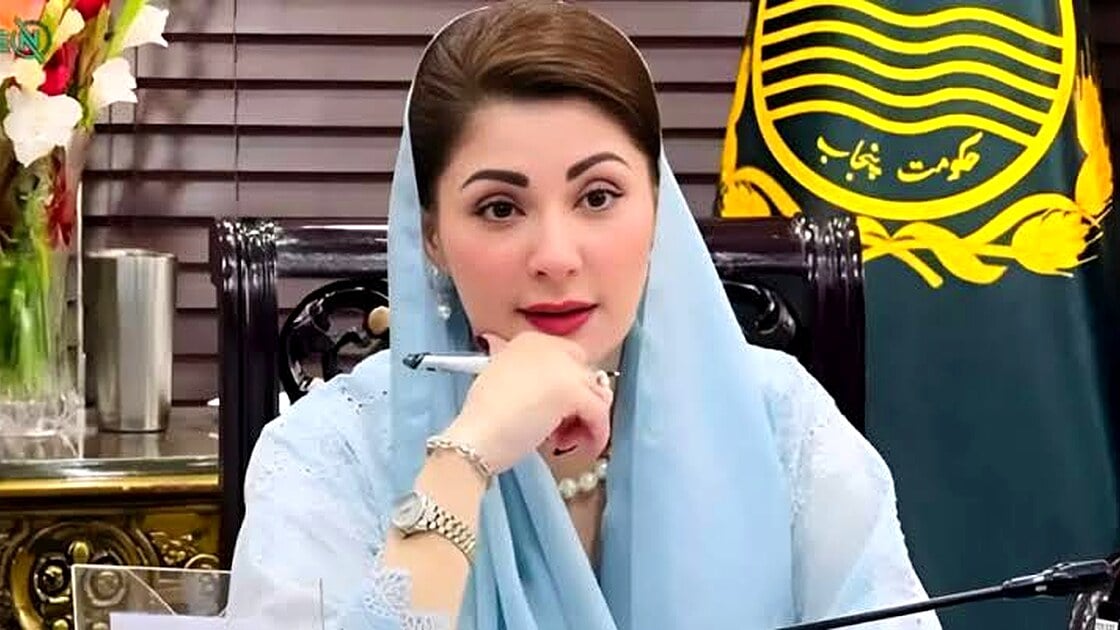




ISLAMABAD: Punjab Senior Minister Marriyum Aurangzeb announced on Thursday that Chief Minister Maryam Nawaz underwent major surgery at Sharif Medical City Hospital in Lahore.
Aurangzeb said the chief minister has been shifted home following the procedure.
The senior minister shared the update via a post on X, confirming that the surgery was completed successfully.
Despite her hospital stay, Maryam Nawaz actively monitored key provincial matters on the first day of Eid-ul-Azha.
She oversaw security arrangements, cleanliness drives, and other administrative issues across Punjab.
Aurangzeb highlighted the chief minister’s dedication, noting her direct supervision from the hospital bed.
Information Technology Minister Shaza Fatima Khawaja responded to the update with prayers for Maryam Nawaz’s speedy recovery and well-being.
The development comes amid Maryam Nawaz’s ongoing leadership of Punjab, the country’s largest province by population and economic output.
Maryam Nawaz, who assumed office as chief minister on February 26, 2024, has prioritised healthcare, infrastructure, and public service delivery.
Sharif Medical City Hospital, a leading facility in Lahore, has handled the procedure. Details of the exact nature of the surgery remain private, in line with standard medical protocol for public figures.
**Official Confirmation** Marriyum Aurangzeb’s statement serves as the primary official confirmation. As a senior cabinet member and prominent PML-N figure, her update carries significant weight within government circles.
No formal statement has been issued yet from the Chief Minister’s Office or the Punjab Health Department on post-operative recovery timelines.
Party sources indicate the chief minister is recovering well at her residence.
**Provincial Oversight During Eid** On Eid day, May 27, 2026, Maryam Nawaz directed large-scale cleanliness operations despite her condition.
Provincial administration deployed over 184,000 sanitation workers and 40,000 vehicles for waste management across urban and rural areas.
Officials remained in the field in districts including Taunsa, Mailsi, and remote South Punjab regions under her instructions.
This reflects the chief minister’s established style of hands-on governance, even during personal challenges.
**Background Context** Maryam Nawaz has previously faced health-related matters. In early 2023, she underwent throat surgery in Geneva before returning to active politics.
Her father, former Prime Minister Nawaz Sharif, has also undergone multiple medical procedures, including open-heart surgery in the UK.
As Punjab’s first female chief minister, Maryam Nawaz has driven several health initiatives. These include the Children’s Heart Surgery Programme, which has completed over 10,000 free procedures.
Her government has launched six flagship health projects benefiting more than 21 million patients, featuring field hospitals, Clinics on Wheels, and home medicine delivery systems.
**Public And Political Reactions** Social media platforms saw an outpouring of support following Aurangzeb’s post. Many users and party workers prayed for her quick recovery while praising her commitment to public duty.
PML-N leaders and allies expressed solidarity. Opposition voices remained largely muted on the health matter, focusing instead on routine provincial issues.
Supporters highlighted her dedication, noting that she prioritised provincial cleanliness and security even from the hospital.
**Strategic Implications** Maryam Nawaz’s temporary absence from public appearances places additional responsibility on senior ministers and the bureaucracy to maintain governance momentum.
Punjab’s administration continues to function under established directives, particularly in key areas like healthcare reform, infrastructure development, and public welfare programmes.
The incident underscores the demanding nature of executive roles in Pakistan’s largest province, which contributes significantly to national GDP and agricultural output.
Observers note that effective delegation and institutional mechanisms will prove critical during the recovery period.
Punjab faces multiple ongoing challenges, including urban management, industrial growth, and service delivery targets set by the provincial government.
The chief minister’s health update has drawn attention to the importance of robust healthcare infrastructure, an area where her administration has invested heavily through modern equipment upgrades and specialised programmes.
Future developments will likely include further updates on her recovery timeline and resumption of public engagements.
Provincial decision-making on major projects is expected to continue uninterrupted through cabinet mechanisms and delegated authority.
The episode also highlights the personal costs of public service in high-pressure environments, where leaders often balance official responsibilities with personal health management.
As recovery progresses, focus will remain on how the Punjab government sustains its development agenda in the coming weeks.