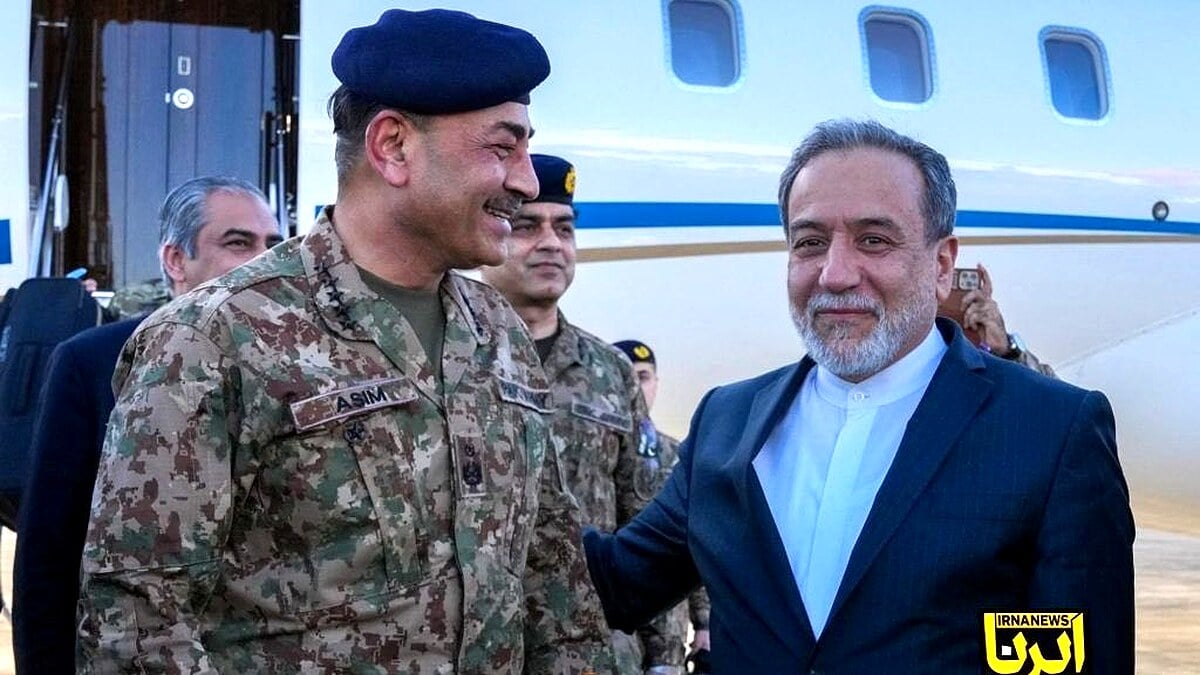




ISLAMABAD: Senior officials from Pakistan and Qatar are scheduled to hold high-level talks with Iranian leadership in Tehran to finalise an interim agreement, according to diplomatic sources.
The Iranian side has already constituted its negotiating team for the discussions.
The development comes amid efforts to address key regional issues through mediation involving multiple stakeholders. Pakistani and Qatari diplomats are expected to play a central facilitating role during the meetings.
Sources indicate that US officials may participate virtually in the Tehran talks. It remains unclear whether the US side will engage directly with Iranian representatives or communicate exclusively through Pakistani and Qatari channels.
If terms are successfully agreed upon, simultaneous joint statements are likely to be issued from both Tehran and Washington.
Pakistan’s Ministry of Foreign Affairs has not issued an official statement on the exact dates or composition of its delegation, but multiple sources confirm the talks are in advanced preparation stages.
Qatar, which maintains strong diplomatic ties across the region, is expected to contribute its mediation experience to the process. Doha has previously facilitated similar sensitive engagements in the past.
The interim agreement is understood to focus on immediate confidence-building measures. Details of the specific provisions under discussion have not been publicly disclosed.
**Official Statements**
A senior Pakistani diplomat, speaking on condition of anonymity, described the upcoming meeting as “constructive and timely.” The official emphasised Pakistan’s commitment to regional stability through dialogue.
Iranian state media reported that the negotiating team includes senior officials from the Foreign Ministry and relevant technical departments. No names have been officially released yet.
Qatari officials have maintained a low profile on the matter but are known to coordinate closely with both Pakistani and Iranian counterparts.
**Key Context and Background**
Pakistan shares a 959-kilometre border with Iran and maintains active economic and security cooperation with Tehran. Bilateral trade between Pakistan and Iran stood at approximately $2.3 billion in the last financial year, with significant potential for growth in energy and transit sectors.
Qatar has emerged as an important diplomatic player in the Gulf, particularly in mediation between various regional actors. The country hosts major US military facilities while maintaining ties with Iran.
The current talks follow months of behind-the-scenes diplomatic activity. Regional tensions, including maritime security concerns and energy supply issues, have accelerated efforts for an interim understanding.
**Potential Scope of Agreement**
Though full details remain confidential, the interim deal is expected to include provisions on sanctions relief, regional security coordination, and economic cooperation frameworks.
Energy cooperation could form a significant part of discussions. Pakistan currently faces an energy shortfall of around 5,000-7,000 MW during peak seasons. Iran has previously offered electricity and gas supplies through pipelines and transmission lines.
Trade experts suggest that successful implementation of even limited confidence-building measures could increase formal bilateral trade volumes by 25-40 percent within 18-24 months.
**Reactions and Regional Implications**
Analysts in Islamabad view the Pakistani role positively as an extension of the country’s traditional balanced foreign policy approach.
The business community in Karachi and Lahore has expressed cautious optimism, hoping any agreement would ease pressure on the Pakistani rupee and help stabilise import costs, particularly for petroleum products.
Pakistan’s inflation rate has hovered between 9-12 percent in recent months, with energy prices remaining a major contributor. Any positive development on the energy front could provide measurable relief.
Gulf capitals are closely monitoring the process. Saudi Arabia and the UAE have maintained their own engagement channels with Iran in recent periods.
**Strategic Outlook**
The involvement of Pakistan and Qatar reflects a growing preference for regional-led mediation initiatives rather than purely external frameworks.
Success in the Tehran talks could open doors for broader trilateral cooperation between Pakistan, Iran, and Qatar in areas such as counter-narcotics, border management, and trade corridor development.
The Gwadar port, located close to the Iran-Pakistan border, stands to benefit from improved regional connectivity. Current cargo handling at Gwadar has shown steady growth, reaching over 1.2 million tons in recent operational data.
Challenges remain significant. Implementation of any interim agreement would require careful coordination across multiple capitals and technical working groups.
Diplomatic observers expect follow-up technical meetings in the coming weeks if the high-level discussions in Tehran yield positive outcomes.
The coming days will be critical in determining whether the current momentum translates into a concrete interim framework acceptable to all principal parties.