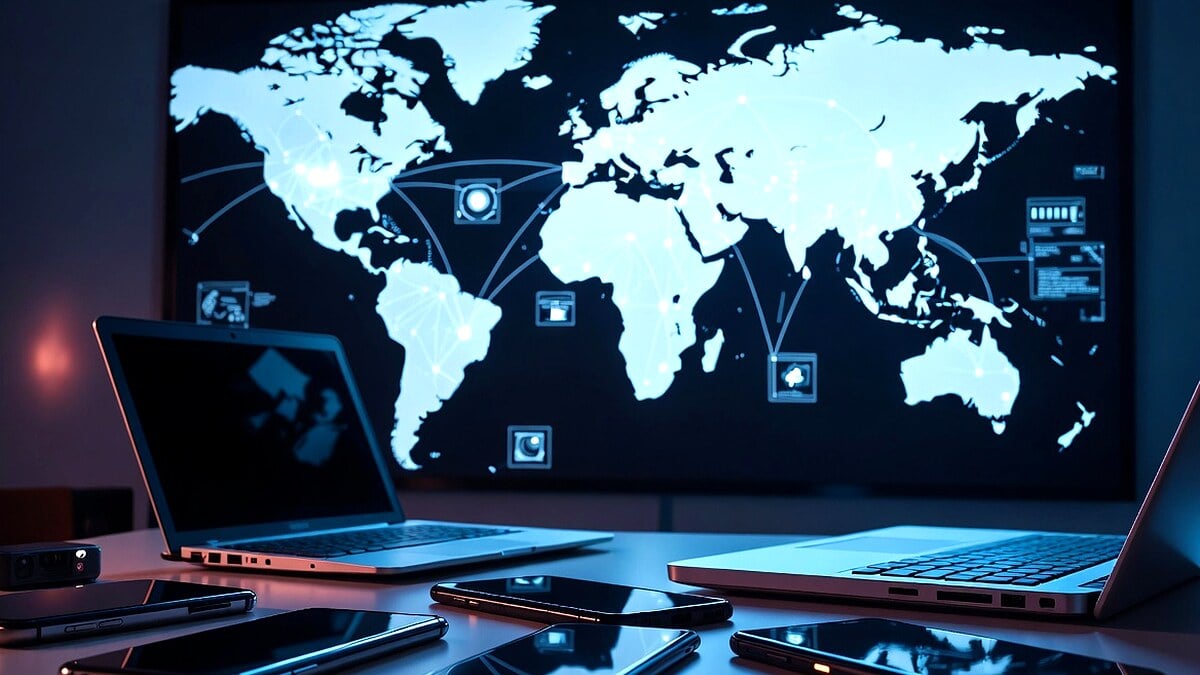




(CIA Has Access To Your Phone and Laptop Microphones Cameras: Former Official in Pakistan )
Microphones and Cameras
ISLAMABAD: Former CIA officer John Kiriakou has stated that the US intelligence agency can access microphones and cameras on smartphones and laptops.
Kiriakou, who served in the CIA from 1990 to 2004, made the remarks in a recent interview. He confirmed the capability when asked directly about surveillance through consumer devices.
“Yes, I hate to say it,” Kiriakou said, referencing the 2017 Vault 7 disclosures. Those leaks, released by WikiLeaks, contained gigabytes of documents detailing CIA hacking tools.
The former officer, who later served as chief of counterterrorism operations in Pakistan after 9/11, highlighted that such techniques are not new. He noted that basic versions existed even in the 1980s, with capabilities expanding significantly over time.
Vault 7 documents described tools designed to compromise smartphones, computers, and other internet-connected devices. These included methods to activate microphones and cameras remotely, often without user awareness.
Kiriakou also mentioned the ability to repurpose smart TV speakers as microphones, even when the device appears powered off. Similar techniques apply to vehicle embedded systems, allowing potential remote control or monitoring.
The disclosures align with earlier reports on intelligence agency practices. Government officials have historically neither confirmed nor denied specific operational capabilities in public statements.
Privacy experts have long raised concerns about such surveillance tools. In Pakistan and across South Asia, millions of users rely on smartphones for daily communication, banking, and access to sensitive government services.
According to data from GSMA, smartphone penetration in Pakistan exceeds 50 percent of the population, with over 100 million active mobile internet connections. Similar high usage rates exist in India, Bangladesh, and other regional markets.
The 2017 Vault 7 leak exposed specific projects like “Weeping Angel,” which targeted Samsung smart TVs, and various Android and iOS exploits. Tools reportedly allowed persistent access even after devices were restarted in some cases.
Kiriakou’s comments come amid ongoing global debates over digital privacy, data sovereignty, and state surveillance. Pakistan has strengthened its own cybersecurity framework in recent years through the National Cyber Security Authority and updated data protection regulations.
Regional governments have increasingly pushed for localisation of data and restrictions on foreign surveillance. In 2024-25, several South Asian countries reviewed policies on imported telecom equipment and apps amid security reviews.
Market research indicates that concerns over device security influence consumer choices. Sales of privacy-focused phones and VPN usage have grown steadily in Pakistan, with VPN downloads rising during periods of heightened geopolitical tension.
No immediate official reaction has emerged from US authorities to Kiriakou’s latest statements. The CIA traditionally does not comment on such matters.
Kiriakou himself faced legal consequences for previous disclosures, serving prison time after revealing classified information related to interrogation practices.
**Strategic Implications**
The claims underscore persistent challenges in digital security for individuals and states alike. For countries like Pakistan, with growing digital economies and critical infrastructure increasingly connected online, the revelations highlight the need for continued investment in indigenous cybersecurity capabilities and secure communication protocols.
As technology evolves, questions remain about the balance between national security requirements and individual privacy rights. Future developments may include stronger encryption standards, hardware-level security features, and international agreements on surveillance limits.
Analysts expect ongoing advancements in both offensive cyber tools and defensive countermeasures, with implications for diplomacy, trade, and regional security dynamics.