



ISLAMABAD:
A significant transformation is underway at Pakistan's airports, promising to drastically reduce passenger wait times and streamline the often-cumbersome immigration and customs processes. The nation is on the cusp of implementing a unified, one-window clearance system, a move that could redefine air travel within the country.
The initiative, spearheaded by Federal Interior Minister Mohsin Naqvi, aims to integrate multiple clearance stages into a single, efficient process. This ambitious project involves the widespread adoption of advanced technologies, including e-gates and smart scanners, designed to expedite passenger movement and enhance security. The ultimate goal is to create a seamless travel experience, akin to those found in leading international airports.
A high-level meeting, chaired by Minister Naqvi, recently convened to finalize the strategic roadmap for this technological overhaul. Discussions focused on the practical implementation of the one-window system, emphasizing the critical role of digital solutions in achieving operational efficiency. The Ministry of Interior, in collaboration with relevant aviation authorities, is reportedly working diligently to ensure a smooth transition.
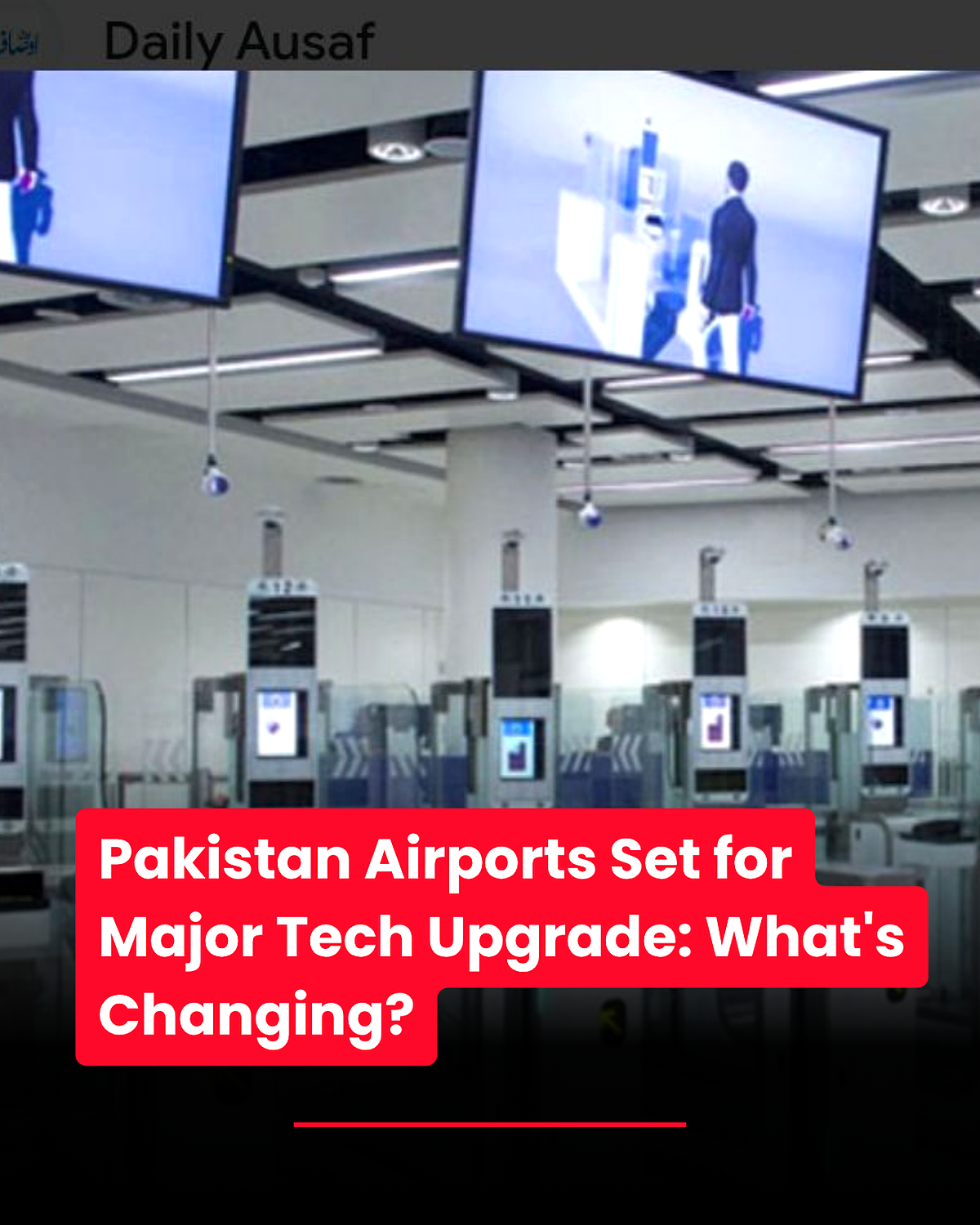
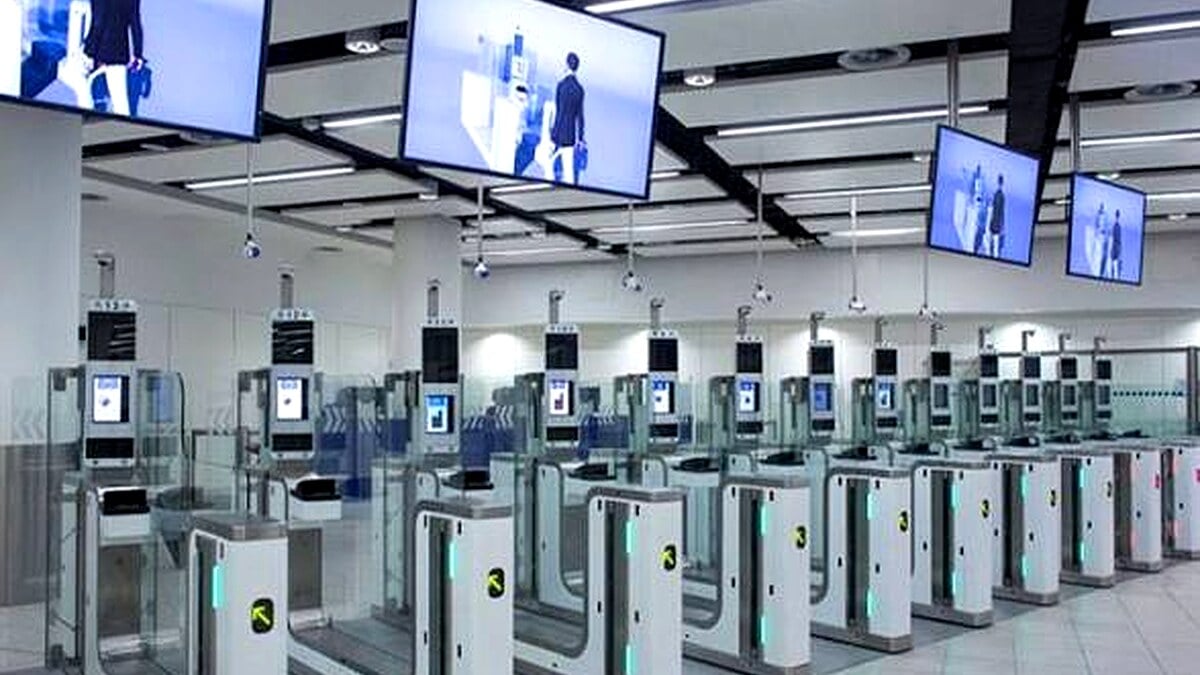
The introduction of e-gates is a cornerstone of this modernization effort. These automated gates, equipped with facial recognition and passport scanning technology, will allow eligible passengers to pass through immigration checkpoints significantly faster. This technology eliminates the need for manual stamping and checks, thereby reducing queues and freeing up immigration officers for more complex tasks. Reports suggest that trials for these e-gates are already in advanced stages, indicating a swift rollout.
Complementing the e-gates, smart scanners are set to revolutionize baggage and cargo screening. These advanced systems utilize sophisticated imaging and artificial intelligence to detect prohibited items and anomalies with greater accuracy and speed. This not only enhances security protocols but also minimizes the need for manual inspections, further accelerating the clearance process for both passengers and cargo. The integration of these scanners is expected to significantly boost the overall throughput capacity of the airports.
The concept of a “one-window” operation is not entirely new, but its comprehensive implementation in Pakistan's aviation sector marks a pivotal moment. Previously, passengers often had to navigate separate counters for immigration, customs, and security, leading to prolonged waiting periods, especially during peak travel seasons. The new system aims to consolidate these touchpoints, allowing passengers to complete all necessary clearances at a single point or through an integrated digital platform.
This technological leap is also expected to have a positive impact on Pakistan's tourism and trade sectors. A more efficient and user-friendly airport experience can attract more international visitors and facilitate smoother business travel. For cargo, faster clearance means reduced transit times, which is crucial for businesses relying on timely delivery of goods. The Ministry of Interior has expressed confidence that these upgrades will position Pakistan's airports as modern hubs for regional and international travel.
While the specifics of the rollout timeline are still being finalized, sources within the Ministry of Interior indicate that pilot projects are likely to commence at major international airports, such as Islamabad International Airport and Jinnah International Airport in Karachi, in the coming months. The success of these initial phases will pave the way for a nationwide implementation across all operational airports.
The move towards advanced digital clearance systems also aligns with Pakistan's broader digital transformation agenda. By embracing technologies like AI-powered scanners and automated gates, the country is demonstrating its commitment to modernizing its infrastructure and services. This investment in technology is not just about convenience; it's about enhancing national security, improving operational efficiency, and projecting a more progressive image on the global stage. The coming year promises to be a period of significant change for air travelers in Pakistan.