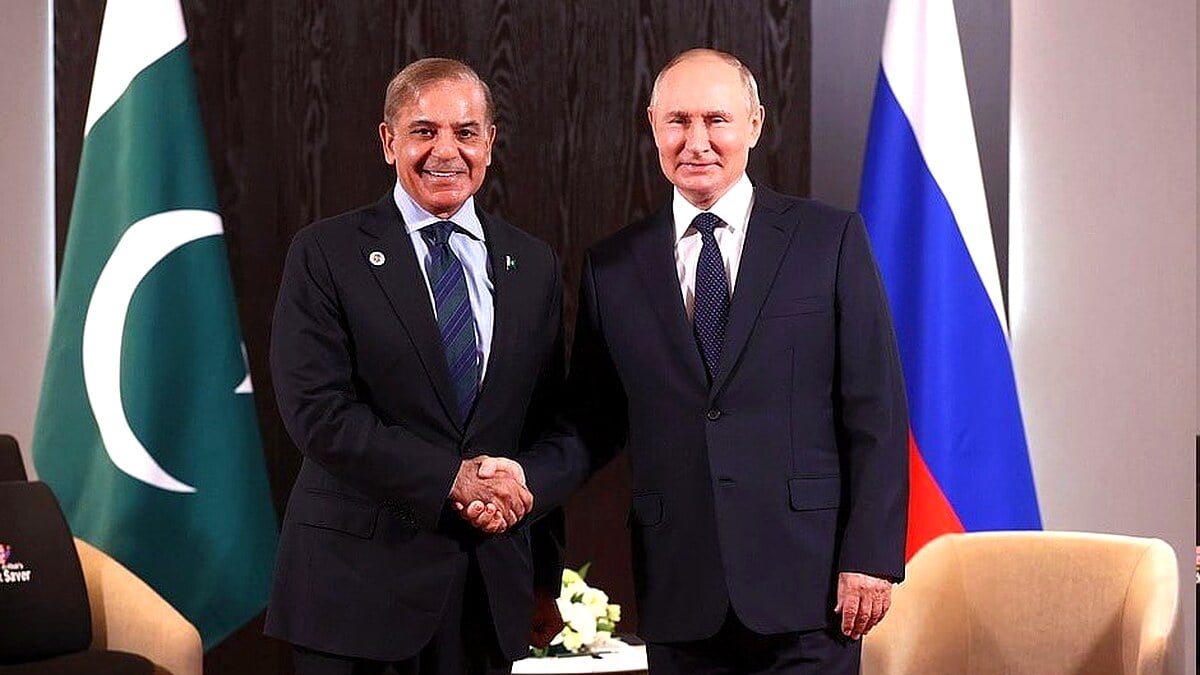




Russia continues to expand its influence in Asian energy markets by deepening oil trade partnerships, with Pakistan emerging as a significant new entrant. Islamabad’s growing interest in importing discounted Russian crude represents a notable development in global energy geopolitics. This move not only signals a strategic shift in Pakistan’s energy security policy but also carries broader implications for regional players, including India and Southeast Asian nations navigating Western restrictions on Russian energy imports.
Energy analyst Munawar Sabir has described Pakistan’s intent to purchase Russian oil as a “strategic shift” that extends beyond domestic energy needs. According to Sabir, the decision reflects Pakistan’s determination to diversify its energy sources amid chronic shortages and high import costs. By turning to Russia, Pakistan aims to secure stable supplies at competitive prices, potentially reducing its dependence on traditional Middle Eastern suppliers. This pivot could also influence neighbouring countries facing similar pressures from Western sanctions regimes, encouraging a more pragmatic approach to energy procurement.
The Russia-Pakistan energy cooperation aligns with Moscow’s broader strategy to redirect its oil exports toward Asian markets following extensive Western sanctions imposed after the Ukraine conflict. With European buyers largely exiting the market, Russia has successfully rerouted volumes to China, India, and now potentially Pakistan. This reorientation has helped Moscow maintain export revenues while strengthening diplomatic and economic ties across Asia. Industry observers note that Pakistan’s entry into this trade network further consolidates Russia’s foothold in South Asia.
Despite the strategic appeal, significant challenges remain. Market analyst Osama Rizvi of Primary Vision has highlighted multiple obstacles that could hinder smooth implementation. Foremost among these is potential pressure from the United States and the International Monetary Fund (IMF), institutions that have historically influenced Pakistan’s economic policy. Rizvi warns that Washington and the IMF could impose conditions or restrictions that complicate the energy deal, given their leverage through ongoing financial assistance programmes.
Logistical and technical hurdles further complicate the arrangement. Delivery costs represent a major concern, as transporting Russian oil to Pakistani ports involves complex shipping routes and insurance issues under the shadow of Western sanctions. Payment mechanisms also present difficulties, with both countries seeking alternatives to SWIFT and dollar-dominated transactions to avoid secondary sanctions. Additionally, many Pakistani refineries are currently configured to process lighter Middle Eastern crudes and may require costly upgrades or modifications to efficiently handle the heavier, sour Russian varieties.
These technical limitations have raised questions about the feasibility and timeline of large-scale imports. Pakistani authorities have reportedly initiated discussions on refinery adaptations and joint ventures with Russian partners to address these gaps. Success in overcoming such barriers could pave the way for long-term cooperation, potentially including investments in Pakistan’s energy infrastructure.
The prospective deal carries important geopolitical dimensions. For Pakistan, access to affordable Russian oil could ease balance-of-payments pressures, support industrial growth, and enhance energy security for its growing population. For Russia, the partnership diversifies its customer base and demonstrates the limits of Western isolation efforts. The development also challenges the existing energy order in South Asia, where India has already become one of the largest buyers of Russian crude despite international criticism.
Analysts suggest that if the Russia-Pakistan oil trade materialises on a significant scale, it may encourage other nations in Southeast Asia and beyond to explore similar arrangements. This trend could gradually erode the effectiveness of sanctions aimed at curtailing Russian energy revenues and accelerate the emergence of alternative trade networks less dependent on Western financial systems.
However, experts caution that sustainable cooperation will require careful navigation of international financial constraints and technical upgrades. Both Moscow and Islamabad have expressed optimism, with diplomatic channels actively engaged to resolve outstanding issues. Recent high-level meetings between the two countries have focused on energy, defence, and economic collaboration, indicating a comprehensive strategic partnership.
In conclusion, Russia’s expanding oil trade with Pakistan exemplifies a broader realignment in global energy flows. While Munawar Sabir correctly identifies this as a strategic shift with regional ramifications, the warnings from analysts like Osama Rizvi underscore the practical and geopolitical complexities involved. Should the partnership overcome current obstacles, it could mark a significant milestone in Russia’s Asian pivot and provide Pakistan with much-needed energy stability. The coming months will prove critical in determining whether economic pragmatism prevails over external pressures in shaping the future of this important energy relationship.