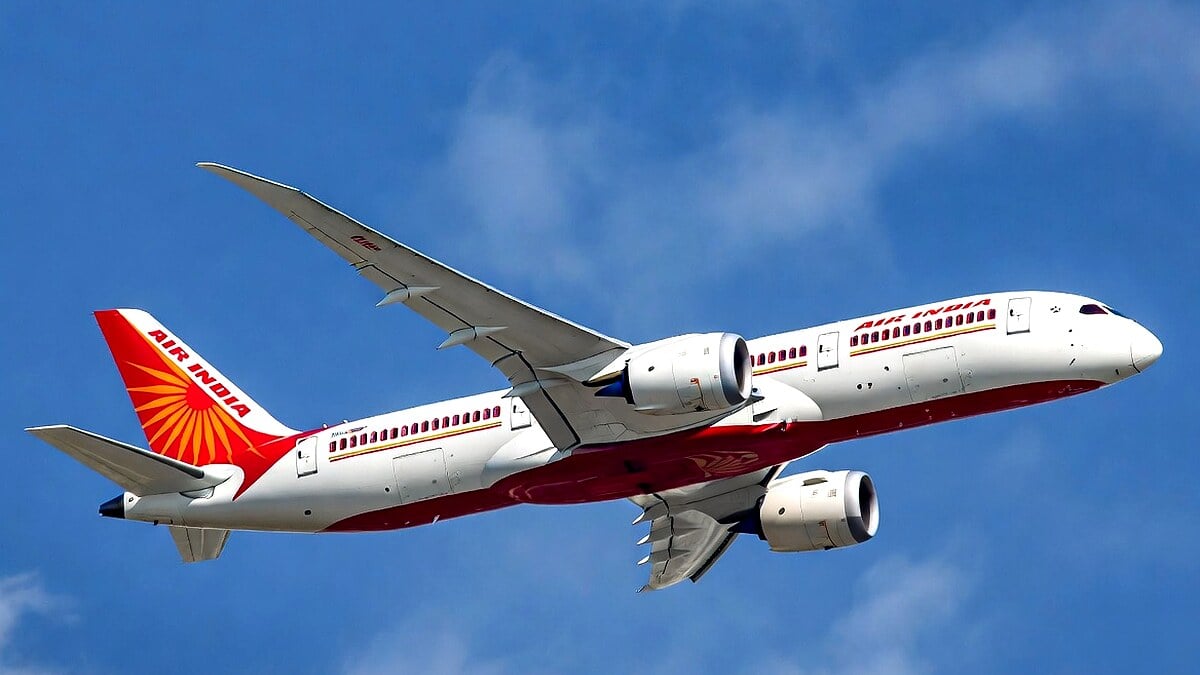




ISLAMABAD: Pakistan has extended the ban on Indian-registered aircraft, including civil and military flights, from using its airspace until June 24.
The Pakistan Airports Authority (PAA) issued a fresh Notice to Airmen (NOTAM) confirming that all Indian-registered, leased, commercial, and military aircraft remain barred from Pakistani airspace. The extension takes effect from May 19 at 10:40 AM and will continue until June 24 at 4:59 AM.
The restriction applies across both Karachi and Lahore Flight Information Regions (FIRs), covering the full vertical extent of Pakistan’s airspace.
This decision maintains the closure first imposed in April 2025 following heightened tensions between the two countries. Pakistani authorities have periodically renewed the measure through successive NOTAMs as part of reciprocal aviation restrictions.
Officials stated the move ensures national security while adhering to international civil aviation protocols. The PAA emphasised that the ban targets Indian-operated and owned aircraft specifically, allowing other international carriers to continue using Pakistani routes where permitted.
The ongoing closure has forced Indian airlines to reroute flights, particularly those connecting northern India to Europe, the Middle East, and Gulf destinations. These detours add significant flying time and operational costs.
Industry estimates suggest Indian carriers face annual additional expenses of around $600 million to $800 million due to longer routes, higher fuel consumption, and reduced payload capacity. Fuel typically accounts for 30-40 percent of airline operating costs, amplifying the impact of extended flight paths.
In previous similar restrictions in 2019, Indian airlines reported losses exceeding $64 million over five months. Current projections indicate substantially higher cumulative costs as the ban enters its second year.
Pakistani aviation sources noted that while the country forgoes some overflight revenue, the decision prioritises strategic considerations. Pakistan continues to generate income from other international carriers transiting its airspace on east-west routes.
The reciprocal nature of the restrictions means India has also maintained its ban on Pakistani aircraft, creating a mutual barrier that disrupts direct connectivity.
Aviation analysts point out that the extended closure affects passenger travel times, cargo operations, and airline scheduling across the region. Flights from Delhi and other northern Indian cities to Gulf hubs now take notably longer, sometimes requiring technical stops that increase expenses further.
Background to the current restrictions traces back to security developments in April 2025. Both sides responded with airspace closures that have since been renewed monthly, reflecting persistent bilateral strains.
No immediate changes are expected in passenger fares or flight availability for third-country carriers using Pakistani airspace. Major international airlines have adjusted schedules accordingly, maintaining operations through alternative corridors.
The PAA has advised all concerned operators to update their flight planning systems in line with the latest NOTAM. Pakistani air traffic control continues normal operations for permitted traffic.
This extension underscores Pakistan’s firm stance on airspace sovereignty amid regional security dynamics. It also highlights the enduring impact of geopolitical tensions on civilian aviation in South Asia.
As the measure approaches one full year and beyond, industry observers anticipate continued pressure on Indian carriers’ profitability, particularly for long-haul operations. Pakistani authorities have given no indication of imminent relaxation.
Future developments will likely depend on broader diplomatic and security trajectories between the two neighbours. Both countries continue to monitor the situation closely while issuing regular updates through their respective aviation regulators.