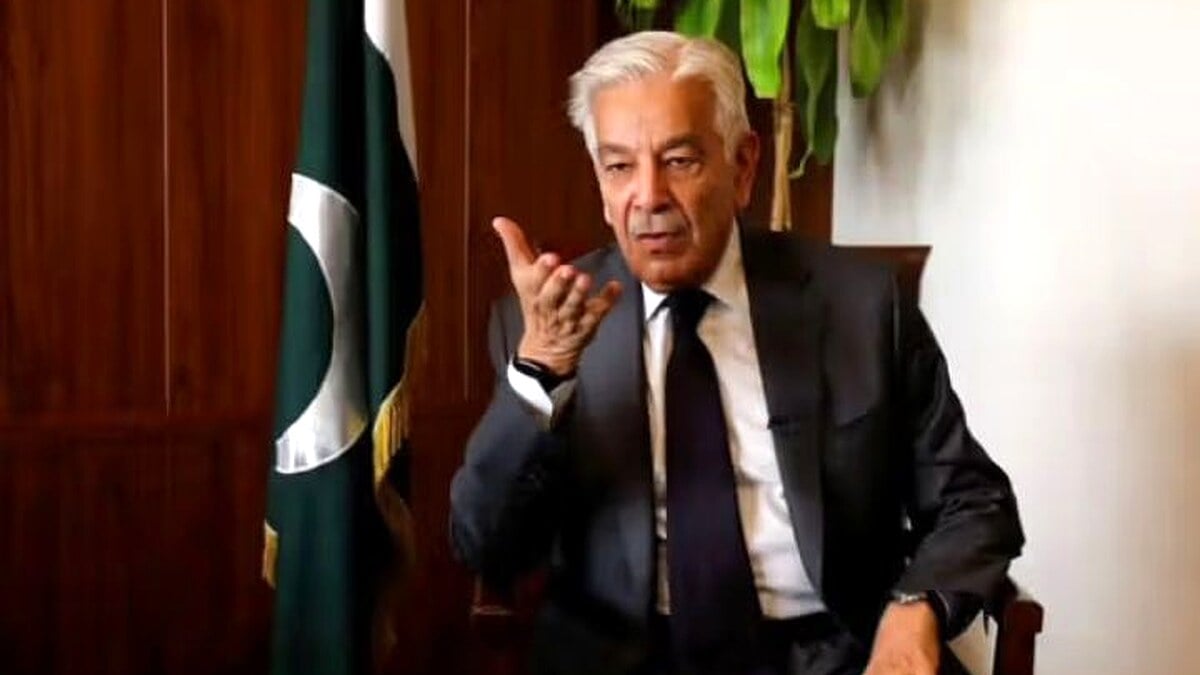




ISLAMABAD: Defence Minister Khawaja Asif on Monday directly accused the Afghan Taliban of functioning as a proxy for India against Pakistan. He stated that if the group cannot confront Pakistan’s enemies, it should at least refrain from supporting them.
Speaking to Geo News, Asif revealed that he had conveyed a strong message during recent meetings with Mullah Yaqoob, the Taliban’s Defence Minister. He emphasised that enemies of Afghanistan in the past have also been enemies of Pakistan.
Asif noted a perceived shift in the Taliban’s approach. He claimed Afghanistan under Taliban control is now actively serving Indian interests against Islamabad. The minister had previously made similar assertions, describing the Taliban as waging New Delhi’s war on Pakistani soil.
Pakistan has repeatedly linked rising insecurity to cross-border support for militants, particularly the Tehreek-e-Taliban Pakistan (TTP). Officials allege that India organises and backs such groups from Afghan territory.
**Security Data Highlights Surge** According to the Global Terrorism Index 2026, Pakistan recorded 1,139 terrorism deaths and 1,045 incidents in 2025 — the highest level since 2013. TTP was among the world’s four deadliest groups, with fatalities rising despite a global decline.
In 2025, militant attacks reached 1,066 incidents, a 17 percent increase from the previous year. Security forces reported 2,138 militants killed, alongside 667 security personnel and 580 civilian deaths in counter-terrorism operations.
Pakistan has conducted multiple border operations and airstrikes targeting TTP hideouts in Afghan territory in recent months, including actions in late 2025 and early 2026.
Asif warned that Pakistan would respond to the Taliban in the same manner it has responded to India if support for cross-border terrorism continues. “There is no difference between New Delhi and Kabul,” he stated, adding that Pakistan now faces the same enemy on both its eastern and western borders.
**Taliban Position** The Afghan Taliban have consistently denied the allegations. They maintain that they will not allow Afghan soil to be used against any neighbouring country. Kabul has described Pakistan’s security challenges as an internal matter.
Meetings between Pakistani and Taliban officials, including discussions with Mullah Yaqoob, have failed to produce written guarantees on curbing TTP activities, according to Islamabad.
**Background Context** Tensions along the Durand Line have persisted since the Taliban’s return to power in Kabul in 2021. Pakistan initially welcomed the development expecting cooperation on security. However, Islamabad claims TTP fighters found sanctuary in Afghanistan and have regrouped to launch attacks inside Pakistan.
Border clashes escalated in 2025, with reported Pakistani airstrikes on Afghan targets and retaliatory actions. Ceasefire agreements have been announced periodically but have not ended underlying accusations.
Pakistan has also taken domestic measures, including fencing large sections of the border and regulating cross-border movement. Deportations of undocumented Afghan nationals have been linked to security concerns.
**Reactions and Diplomatic Fallout** The latest remarks come amid heightened public and political pressure in Pakistan over internal security. Analysts note that repeated high-level accusations risk further straining already fragile bilateral ties. Trade across the border, once significant, has faced disruptions due to security protocols.
Regional observers monitor the situation closely as both countries navigate complex relationships with external powers. India has not directly commented on the specific allegations in recent statements.
**Strategic Implications** The Defence Minister’s comments underscore Islamabad’s view that the primary threat has shifted westward, requiring sustained military vigilance and diplomatic engagement. Pakistan continues large-scale counter-terrorism operations in Khyber Pakhtunkhwa and Balochistan, where most incidents are concentrated.
Future developments will likely depend on whether tangible cooperation emerges on militant sanctuaries. Pakistani officials have indicated openness to dialogue but stress that concrete action against TTP infrastructure is essential.
Without visible progress, cross-border military responses may become more frequent. The situation also carries potential economic costs through reduced border trade and increased defence spending.
Regional stability hinges on addressing these mutual concerns. Both sides have historically shared security interests against certain threats, yet current divergences over TTP operations dominate bilateral discourse.
Pakistan is expected to maintain pressure through a combination of military readiness, border management, and diplomatic outreach to international partners concerned with Afghan stability.