



Holds Key Tehran Talks
ISLAMABAD: Iran has confirmed receipt of fresh US proposals delivered through Pakistani channels and has sent its revised response to Washington, diplomatic sources said on Monday.
Interior Minister Mohsin Naqvi arrived in Tehran on Saturday for a two-day visit, holding meetings with Iranian President Masoud Pezeshkian, Parliament Speaker Mohammad Bagher Ghalibaf, and other senior officials. The trip forms part of Islamabad’s ongoing shuttle diplomacy aimed at reviving stalled peace efforts.
The developments come despite continued public threats from US President Donald Trump, who has warned of potential military action if Iran does not meet American demands. A fragile ceasefire brokered earlier with Pakistani involvement in April has held unevenly amid tensions in the Strait of Hormuz.
Pakistani officials described Naqvi’s engagements as focused on both bilateral border security cooperation and broader regional de-escalation. Iranian state media reported that the minister met President Pezeshkian for extended discussions alongside Foreign Minister Abbas Araghchi.
Diplomatic sources in Islamabad indicated that Iran transmitted its updated position on the US proposals via Pakistan following an earlier rejection by Washington. This marks another round in back-channel communications that have persisted even as public rhetoric remains confrontational.
Pakistan has played a central mediating role since earlier this year. Islamabad hosted initial high-level contacts and helped secure the April 8 ceasefire between the US and Iran following months of escalation that included strikes and retaliatory actions.
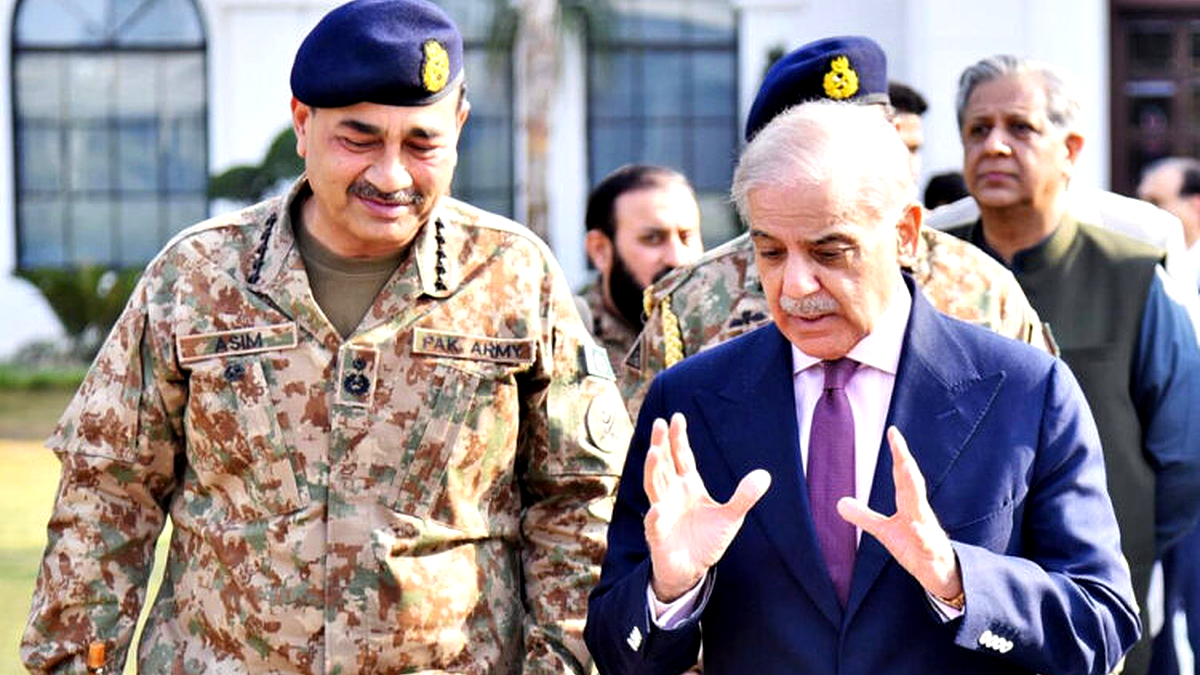
Prime Minister Shehbaz Sharif and Army Chief Field Marshal Asim Munir have been directly credited by both sides for their facilitation efforts.
The current US-Iran exchanges centre on key issues including sanctions relief, regional security guarantees, and navigation in the Strait of Hormuz, which has seen disruptions affecting global energy shipping. Exact details of the latest proposals remain confidential.
Naqvi’s visit is the third by a senior Pakistani official to Tehran in recent weeks. It follows trips by the army chief and joint engagements aimed at keeping diplomatic momentum alive. Pakistani authorities have simultaneously maintained contact with US counterparts.
Regional analysts note that Pakistan’s unique positioning—maintaining working relations with both Washington and Tehran—has allowed it to serve as an effective channel when direct talks falter. However, deep mistrust between the two sides continues to complicate progress.
Market reactions in Pakistan remained cautious. The rupee held steady against the dollar on Monday while oil prices showed volatility amid uncertainty over Hormuz shipping routes. Pakistan’s own trade and energy interests in the region add urgency to its mediation push.
Officials in Islamabad have consistently emphasised support for a diplomatic resolution while opposing any escalation that could destabilise the wider region. Foreign Ministry sources described the back-channel efforts as “active and ongoing.”
The latest Iranian response is now under review in Washington. Trump has publicly expressed dissatisfaction with previous Iranian positions while reiterating that the US seeks a comprehensive agreement.
Pakistan’s mediation faces clear limits as gaps on core issues persist. Success will depend on both sides showing flexibility on sanctions, security arrangements, and verification mechanisms for any future understanding.
Further rounds of shuttle diplomacy are expected in coming days. Pakistani leadership is likely to intensify contacts with both capitals as efforts continue to prevent the fragile ceasefire from collapsing and to avoid a wider regional confrontation.