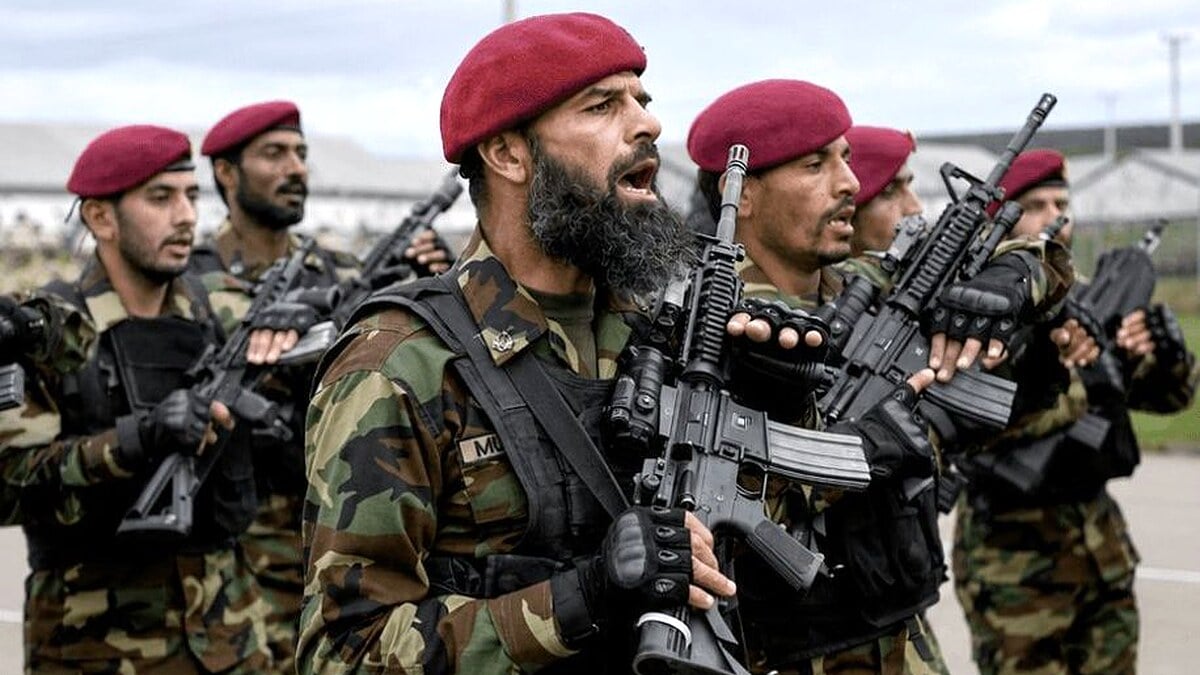




ISLAMABAD: Pakistan has deployed around 8,000 troops, a squadron of fighter jets and a Chinese HQ-9 air defence system to Saudi Arabia under a mutual defence pact signed in September 2025.
The deployment, confirmed to Reuters by three security officials and two government sources, includes a full squadron of approximately 16 aircraft, mostly JF-17 Thunder fighters jointly developed with China. Two squadrons of drones have also been sent.
Saudi Arabia is financing the operation while Pakistani personnel operate all equipment. The force is described as substantial and combat-capable, intended to support Saudi military defences if the Kingdom faces further attacks amid the ongoing Iran conflict.
Sources indicated a pledge to send additional forces if required. The full scale of the deployment is being reported for the first time.
The troops and assets arrived primarily in early April, with fighter jets reaching King Abdulaziz Air Base in Saudi Arabia’s eastern province. This follows previous smaller deployments and builds directly on the Strategic Mutual Defence Agreement.
Pakistani officials have not issued a public statement on the latest deployment details. Saudi Arabia’s defence ministry had earlier confirmed the arrival of Pakistani aircraft and support elements.
**Background and Context** Pakistan and Saudi Arabia share longstanding military ties dating back decades. Pakistani forces have previously trained Saudi personnel and provided operational support, including during border security missions.
The 2025 pact formalises deeper cooperation, with provisions that treat aggression against one as a matter of concern for both. It expands beyond training to include combat-ready deployments when activated.
The current move comes as Pakistan simultaneously serves as the primary mediator in efforts to manage the Iran war, including hosting talks that contributed to a fragile ceasefire six weeks ago.
**Key Specifications** The air assets centre on the JF-17, a lightweight multi-role fighter with proven operational capability. The HQ-9 system provides medium-to-long range air defence coverage. Pakistani crews maintain operational control of all platforms.
The ground contingent of around 8,000 personnel represents a significant rotation, with potential for scaling under the pact’s terms, which reportedly allow for larger commitments up to tens of thousands if circumstances demand.
**Reactions and Regional Implications** The deployment underscores Pakistan’s balancing act in Gulf security. While strengthening defence ties with Riyadh, Islamabad continues diplomatic engagement aimed at de-escalation in the broader conflict.
Market observers note that enhanced Saudi security could support stability in energy markets, though no immediate oil price reaction was tied directly to the announcement. Regional analysts view the move as reinforcing deterrence without direct offensive posture.
This arrangement marks a strategic evolution in Pakistan-Saudi military relations. Previously focused on advisory, training, and limited rotational support, the framework now includes forward-deployed combat elements ready for activation in defence scenarios.
It reflects Pakistan’s expanding role in Gulf security architecture while maintaining its mediation position. Saudi funding of the deployment aligns with historical financial and economic cooperation patterns between the two countries.
Future developments will likely depend on the trajectory of the Iran-related conflict and any further activation triggers under the pact. Pakistani and Saudi military coordination is expected to continue deepening through joint exercises and operational integration.
Additional forces could be mobilised based on threat assessments, officials indicated. The deployment remains positioned primarily as a defensive contingency measure rather than an offensive commitment.