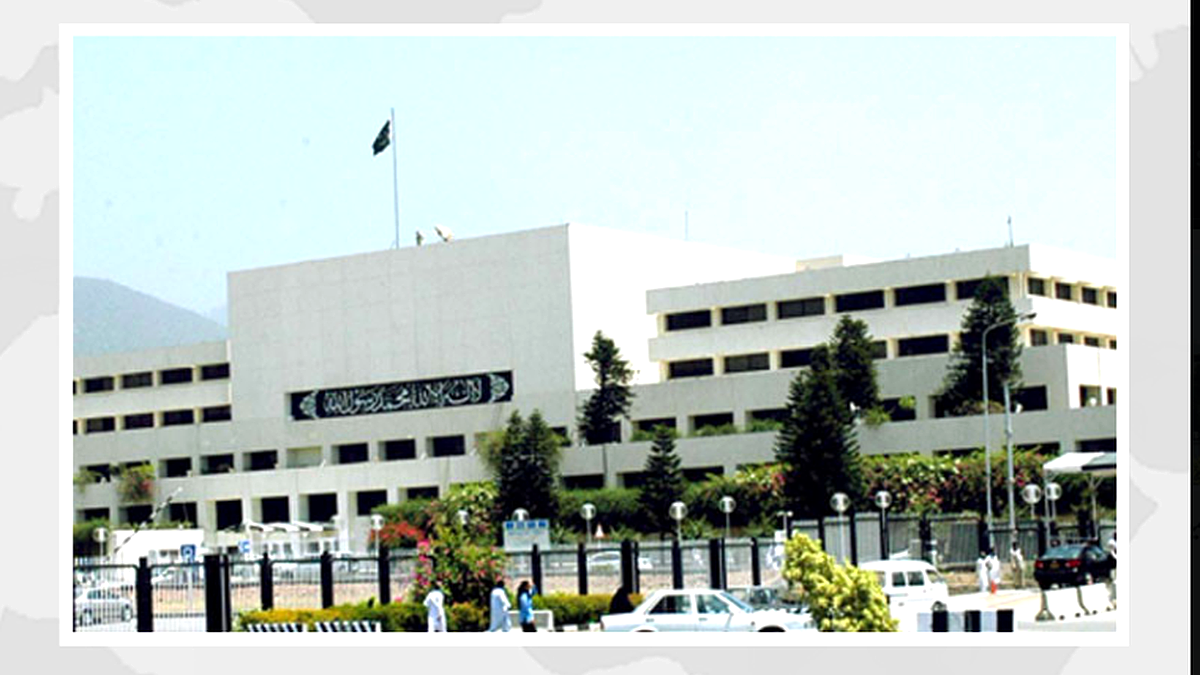




ISLAMABAD: Proposals for the 28th Constitutional Amendment have surfaced with significant alterations to the 18th Amendment framework, aiming to recalibrate power between the federation and provinces.
Sources indicate that the draft suggestions include removing the mandatory provincial assembly resolution for creating new provinces.
Under the new proposal, both houses of Parliament — the National Assembly and Senate — could approve the establishment of a new province without provincial consent.
The changes also target the National Finance Commission (NFC) Award. A review is expected, with indications of potential reductions in provincial shares.
Officials familiar with the proposals say the measures seek to strengthen federal authority in key areas amid ongoing economic and governance challenges.
Furthermore, there is discussion on raising the voter age from 18 to 25 years.
**New provinces without provincial nod**
The proposal eliminates the constitutional requirement under the 18th Amendment for a provincial assembly resolution before carving out new provinces.
Parliamentary approval alone would suffice for creating new administrative units. This marks a notable shift from the existing framework that gave provinces greater say in territorial changes.
**Federal control over major cities**
Separate proposals recommend designating Karachi and Gwadar as federally administered cities. Development projects, revenue collection, and funding for these cities would fall directly under the federal government.
Supporters argue this would streamline large-scale infrastructure and address urban governance issues in Pakistan’s economic hubs.
**FATA status and Governor’s Rule**
Discussions also include restoring the previous status of erstwhile FATA. Additionally, the proposals suggest removing the need for provincial assembly approval for imposing Governor’s Rule. The decision would instead rest with the federal constitutional court.
**Tenure and election flexibility**
Changes to government tenure are under consideration, including extending the current five-year term to an indefinite period in certain scenarios. Elections could be postponed on grounds of war, economic crisis, or natural disasters.
**Centralising education and health**
The draft recommends transferring the ministries of education and health from provinces back to the federation. This aims to ensure uniform national standards and policies in these critical sectors.
**BISP restructuring**
A key fiscal proposal involves discontinuing the Benazir Income Support Programme (BISP) in its current form.
The federal government seeks to remove the Rs700 billion annual burden from its budget. Provinces would then fund their own relief and support programmes using allocations from the NFC Award.
**Background and context**
The 18th Amendment, passed in 2010, significantly enhanced provincial autonomy by devolving powers and resources. It introduced the current NFC Award mechanism and strengthened provincial legislative authority.
Recent proposals come against a backdrop of federal fiscal pressures, demands for stronger central coordination, and debates over effective service delivery in education, health, and social protection.
Multiple private television channels reported these developments, citing official sources. No formal government statement has been issued yet confirming the full scope of the proposals.
**Potential implications**
These changes, if adopted, would represent the most substantial constitutional adjustment since the 18th Amendment. Proponents view them as necessary for national cohesion and efficient resource management. Critics may see them as a rollback of provincial rights.
Market analysts suggest that alterations to the NFC Award could impact provincial budgets and development spending patterns. Any shift in Karachi and Gwadar’s administrative status would also affect investment flows and local governance structures.
The proposals are still at the discussion stage. Further consultations with stakeholders, including provincial governments and political parties, are expected before any formal bill is tabled in Parliament.
Observers anticipate intense parliamentary debate on the balance between federal efficiency and provincial autonomy. The coming weeks may see clearer positions from major political parties as the government gauges support for the package.